We're loading the full news article for you. This includes the article content, images, author information, and related articles.
TASAF’s cage fish farming initiative in Mwanza yields 1.8 tonnes of harvest, generating millions and proving that sustainable aquaculture is a viable path out of poverty for Lake Victoria communities.
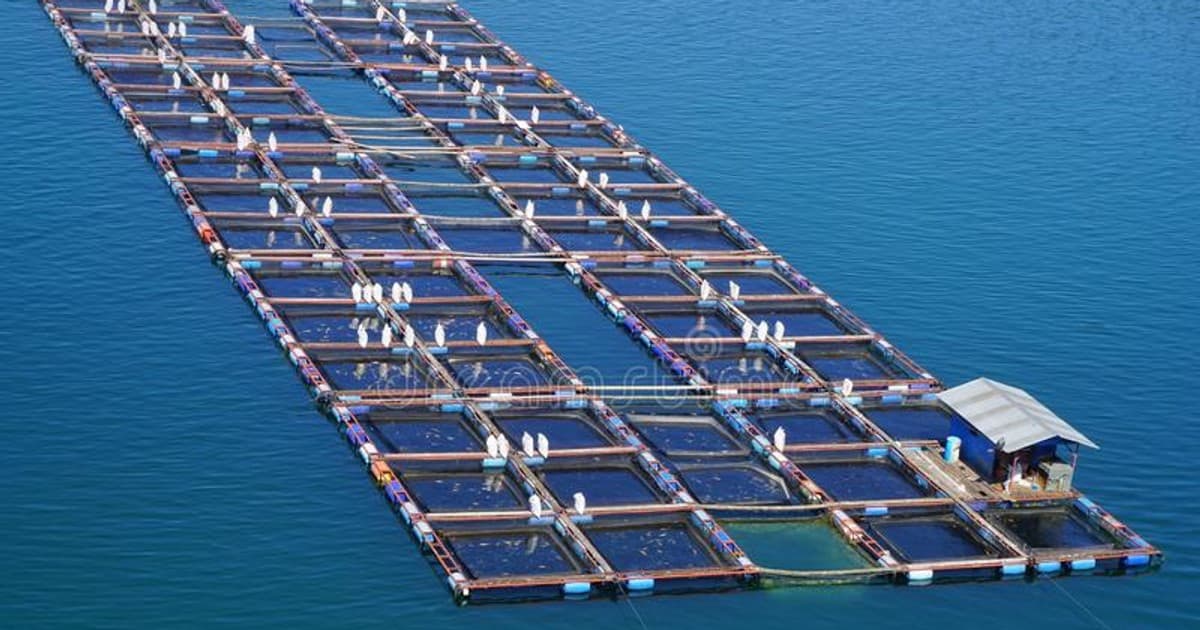
On the shimmering waters of Lake Victoria, a quiet revolution is yielding a bountiful harvest. In a striking demonstration of sustainable development, the Tanzania Social Action Fund (TASAF) cage fish farming project has delivered a staggering 1.8 tonnes of fish, breathing new economic life into the communities of Ilemela Municipality.
This is more than just a catch; it is a proof of concept for poverty alleviation in the Lake Zone. By empowering local groups like Temeke and Maliganganya with the tools and training to farm the lake rather than merely hunt in it, TASAF has unlocked a revenue stream valued at over 15 million Tanzanian Shillings in a single cycle, fundamentally altering the financial destiny of these households.
The harvest event in Bugogwa Ward was a scene of jubilation and vindication. For eight months, members of the beneficiary groups tended to their cages, battling the elements and skepticism. Their patience paid off in a haul that has stunned local observers. Mr. David Lugenzi, the TASAF Coordinator for Ilemela, emphasized that this success was not accidental but engineered through rigorous discipline and technical capacity building.
The project represents a paradigm shift in how Tanzania approaches the blue economy. Instead of handing out cash transfers that evaporate in days, the initiative invests in productive assets. "We didn’t just want to give them fish; we taught them how to dominate the value chain," a project insider remarked. The result is a self-sustaining enterprise where beneficiaries are no longer passive recipients of aid but active players in the regional market.
The implications of the Ilemela success story extend far beyond Mwanza. With the number of cages in Lake Victoria skyrocketing from 50 in 2014 to over 1,600 today, the region is on the cusp of an aquaculture boom. However, the TASAF model stands out because it targets the most vulnerable, ensuring that the fruits of the lake are shared equitably.
Experts warn that while the potential is immense, the ecological balance of the lake must be guarded. Yet, managed correctly, cage farming offers a respite to wild stocks suffering from overfishing. The beneficiaries of Bugogwa Ward have proven that conservation and commerce can coexist.
As the sun sets over the heavy nets in Ilemela, the message to the rest of East Africa is clear: the future of food security lies not just on the land, but in the blue depths of our shared waters. The cage fish project is no longer an experiment; it is a blueprint for prosperity.
Keep the conversation in one place—threads here stay linked to the story and in the forums.
Sign in to start a discussion
Start a conversation about this story and keep it linked here.
Other hot threads
E-sports and Gaming Community in Kenya
Active 9 months ago
The Role of Technology in Modern Agriculture (AgriTech)
Active 9 months ago
Popular Recreational Activities Across Counties
Active 9 months ago
Investing in Youth Sports Development Programs
Active 9 months ago