We're loading the full news article for you. This includes the article content, images, author information, and related articles.
As the city launches its ambitious 2025-2029 Air Quality Action Plan, the true measure of success will not be data points but the tangible relief felt in the lungs of every resident.
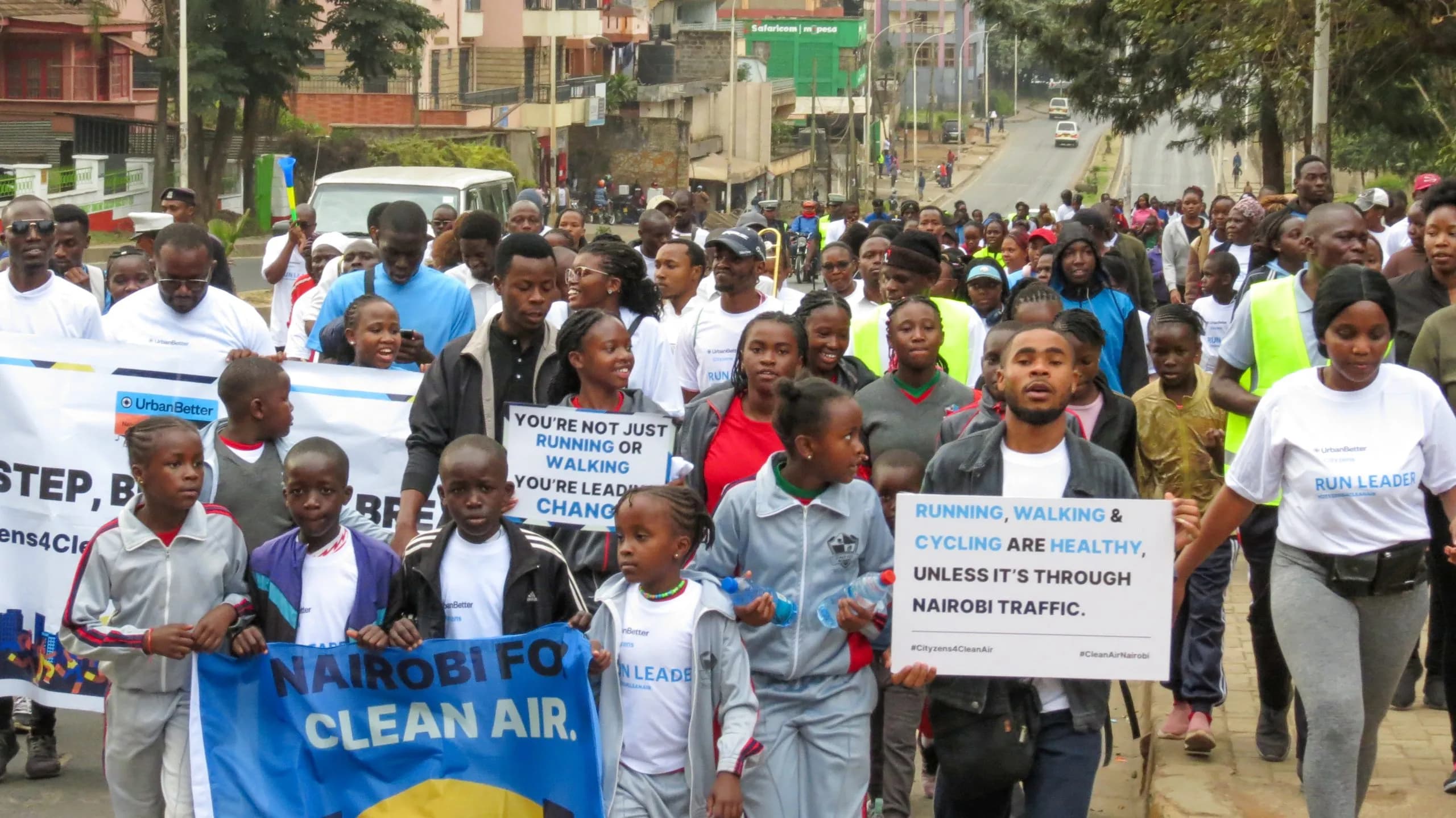
In the smog-choked streets of Nairobi, where the horizon is often blurred by a haze of exhaust and dust, a new promise is taking shape. "By 2029, success will mean that people in Nairobi can genuinely say the air feels better." This simple yet profound metric, articulated by city officials, marks a radical shift from technical jargon to the visceral reality of human survival.
For too long, the conversation about air quality has been dominated by abstract PM2.5 readings and colorful dashboards that mean little to the mother walking her child to school along Jogoo Road. The launch of the Air Quality Action Plan (2025-2029), under the Breathe Cities Nairobi initiative, seeks to bridge this gap. It acknowledges that clean air is not just a statistic; it is a "lived experience." It is the absence of the stinging eyes, the heavy chest, and the chronic cough that has become the background noise of urban life in Kenya’s capital.
The stakes could not be higher. Nairobi’s air is a cocktail of pollutants—sulfur from diesel trucks, particulate matter from burning waste, and industrial emissions. The monitors installed across the city are now telling a story that doctors have known for years: Nairobians are breathing poison. Heart disease, asthma, and premature death are the silent price of the city’s chaotic growth.
As monitors flicker to life in neighborhoods from Karen to Kibra, the city is finally looking in the mirror. The image is ugly, but the clarity is necessary. The success of this initiative will not be found in a report filed in a City Hall cabinet. It will be found in the lungs of the Nairobians.
If, in four years, a commuter can stand at the Bus Station and take a deep breath without flinching, then—and only then—will we know that the plan has worked. Until then, we hold our breath.
Keep the conversation in one place—threads here stay linked to the story and in the forums.
Sign in to start a discussion
Start a conversation about this story and keep it linked here.
Other hot threads
E-sports and Gaming Community in Kenya
Active 9 months ago
The Role of Technology in Modern Agriculture (AgriTech)
Active 9 months ago
Popular Recreational Activities Across Counties
Active 9 months ago
Investing in Youth Sports Development Programs
Active 9 months ago