We're loading the full news article for you. This includes the article content, images, author information, and related articles.
The icon becomes the fifth musician to reach ten-figure status, driven by a touring juggernaut that generated over KES 50 billion in ticket sales alone.

Beyoncé Knowles-Carter has officially shattered the glass ceiling of the music industry’s financial elite, cementing her status as a self-made billionaire.
Forbes confirmed the milestone on Tuesday, reporting that the 44-year-old icon has become only the fifth musician in history to accumulate a ten-figure fortune. Unlike many of her peers who rely heavily on side ventures, Beyoncé’s ascent is a masterclass in the economics of art: her wealth is built primarily on the stage and the studio.
The tipping point for the singer’s financial status was the colossal success of her Cowboy Carter tour. According to Forbes, the tour grossed more than $400 million (approx. KES 51.8 billion) in ticket sales alone, with merchandise adding another $50 million (approx. KES 6.5 billion) to the pot.
This follows the momentum of her previous Renaissance world tour, which brought in over $579 million (approx. KES 75 billion). For Kenyan creatives observing the global market, the takeaway is clear: owning the infrastructure of live performance is where the real margin lies.
Forbes noted that the 2025 tour was a logistical leviathan, employing 350 crew members and utilizing:
While Beyoncé has diversified into retail with her hair care brand Cécred, whiskey label SirDavis, and clothing line Ivy Park, these are complementary to her core business. Forbes emphasized that the bulk of her net worth stems from her music catalogue and touring revenue.
This financial independence is rooted in a pivotal decision made in 2010: the founding of Parkwood Entertainment. By bringing management, production, and creative control in-house, she eliminated the middlemen that typically siphon profits from artists.
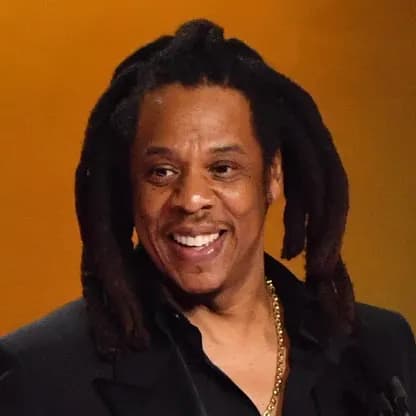
She now joins an exclusive cadre of musician-billionaires, including:
“Across any category of the entertainment industry, there is practically no enterprise more lucrative than a musician who can sell out stadiums,” Forbes wrote. It is a stark reminder that in the modern music economy, the artist who controls the show controls the bank.
Keep the conversation in one place—threads here stay linked to the story and in the forums.
Sign in to start a discussion
Start a conversation about this story and keep it linked here.
Other hot threads
E-sports and Gaming Community in Kenya
Active 9 months ago
The Role of Technology in Modern Agriculture (AgriTech)
Active 9 months ago
Popular Recreational Activities Across Counties
Active 9 months ago
Investing in Youth Sports Development Programs
Active 9 months ago
Key figures and persons of interest featured in this article