We're loading the full news article for you. This includes the article content, images, author information, and related articles.
Burkina Faso’s dissolution of political parties confirms a grim trend across the Sahel: military juntas ruthlessly turn on the civilian allies who helped them seize power.
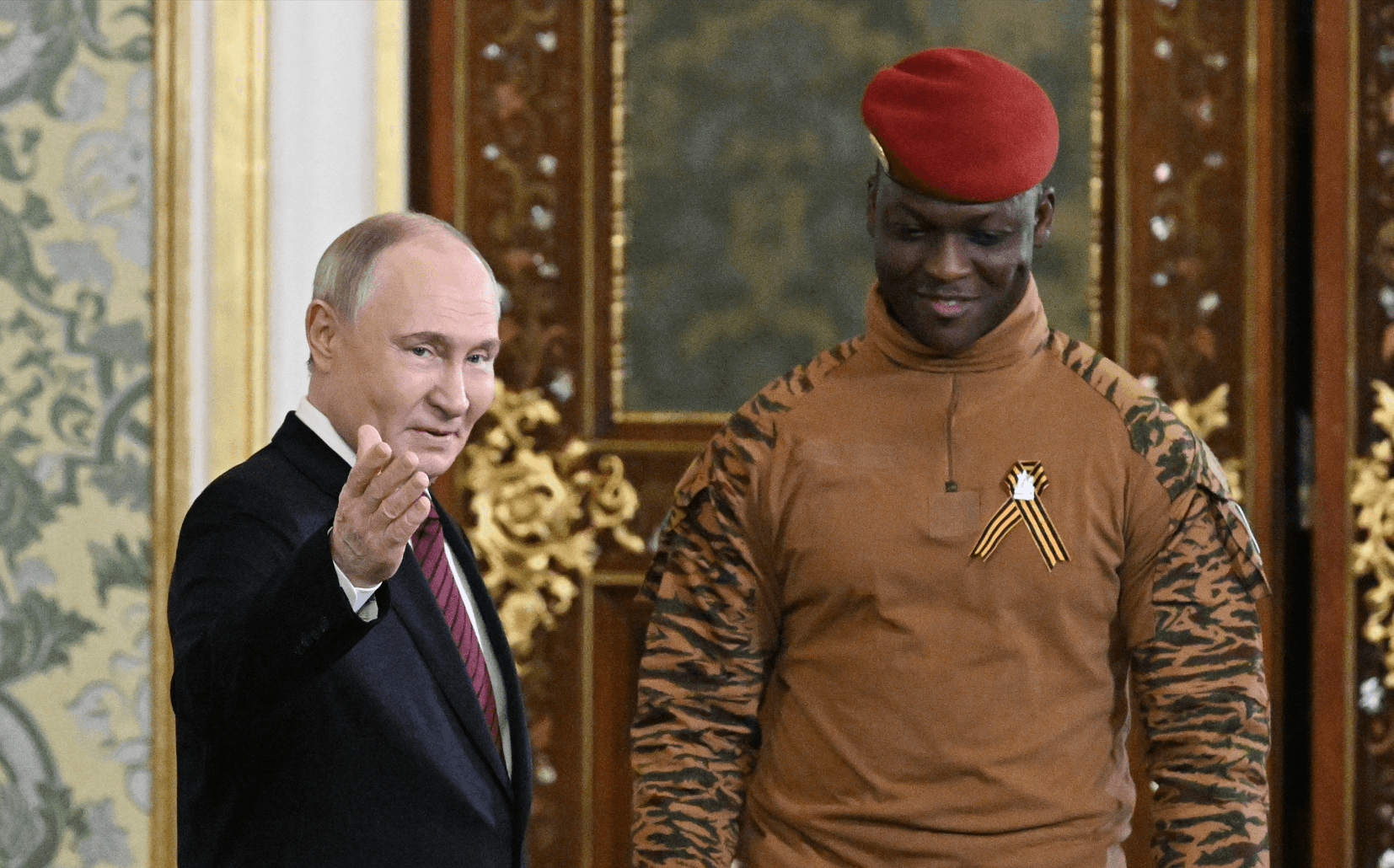
The romance between Africa’s military strongmen and the civilian populaces that cheer them into power is ending in a predictable, brutal divorce. Burkina Faso’s recent dissolution of all political parties is the latest chapter in a grim continental saga where liberators swiftly morph into absolute dictators.
When the tanks roll in, the streets often fill with jubilant crowds tired of corrupt democracies. But as the dust settles, the very groups that provided the junta with legitimacy—civil society, opposition parties, and activists—find themselves in the crosshairs. Captain Ibrahim Traoré’s decree to ban political parties in Burkina Faso is not an anomaly; it is the standard operating procedure for military regimes consolidating power across the Sahel, from Mali to Guinea.
History is repeating itself with punishing precision. In Mali, the M5-RFP coalition that championed the ouster of President Keïta has been systematically sidelined by Colonel Assimi Goïta. In Guinea, opposition leaders who once lobbied ECOWAS to go easy on the junta now languish in prison. The pattern is clear: military rulers view civilian allies as useful idiots—necessary for the initial optics of a "popular revolution" but intolerable impediments to absolute control once the palace is secured.
“Civilian groups provide crowds and legitimacy in the first days,” notes a political analyst specializing in the region. “But they quickly become inconvenient because they have their own constituencies and expectations for a transition. This independence is precisely what juntas fear.” The dissolution of parties in Ouagadougou is framed as a "restructuring," but in reality, it is a foreclosure of the civic space, concentrating all authority in the hands of a single man.
The developments in Burkina Faso serve as a stark warning to other nations flirting with the idea of military intervention as a cure for democratic malaise. The initial euphoria of a coup is a narcotic that wears off quickly, leaving a hangover of repression. Support from outside the barracks may help usher in a coup, but it guarantees nothing in the new order.
As the Sahel belt tightens its grip on authoritarianism, the civilian populations are learning a harsh lesson in realpolitik: the soldier who promises to sweep away the old rot often ends up building a new prison on its ruins. For the activists and politicians who once cheered the soldiers on, the silence is now deafening.
Keep the conversation in one place—threads here stay linked to the story and in the forums.
Sign in to start a discussion
Start a conversation about this story and keep it linked here.
Other hot threads
E-sports and Gaming Community in Kenya
Active 9 months ago
The Role of Technology in Modern Agriculture (AgriTech)
Active 9 months ago
Popular Recreational Activities Across Counties
Active 9 months ago
Investing in Youth Sports Development Programs
Active 9 months ago