We're loading the full news article for you. This includes the article content, images, author information, and related articles.
New ecological survey touts high coral coverage and biodiversity in the South China Sea, contrasting global trends of reef degradation.
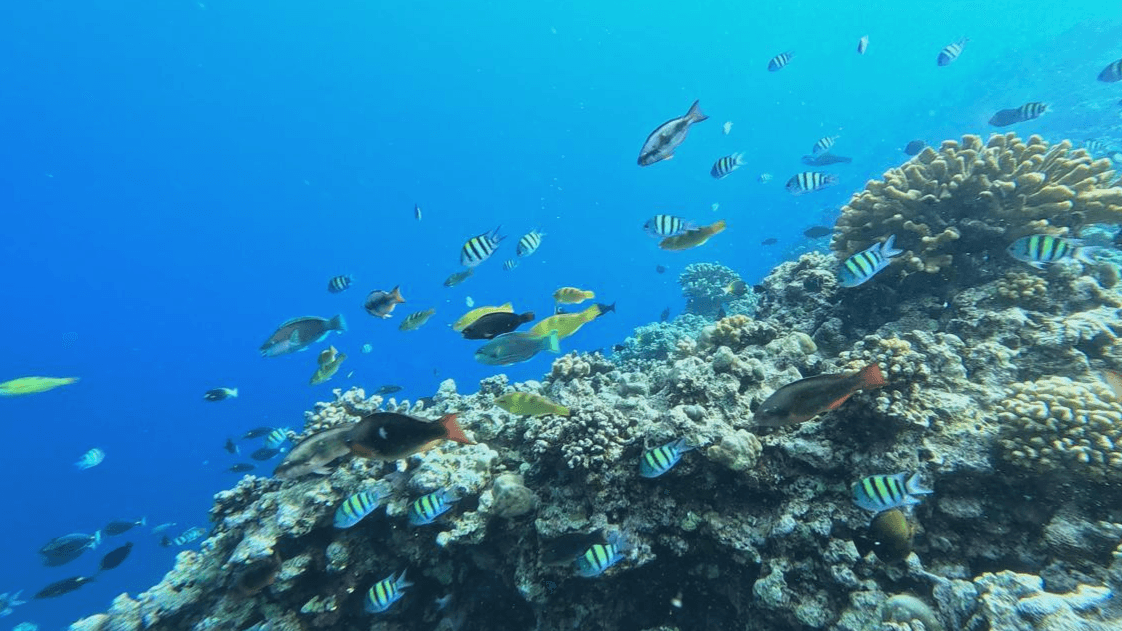
Amidst global concerns over warming oceans and bleaching events, Beijing has declared the coral ecosystems of the strategic Huangyan Island not just surviving, but thriving.
The findings, released Monday by China’s Ministry of Natural Resources, paint a picture of ecological resilience that stands in stark contrast to the degradation plaguing reefs worldwide, offering a rare data point of stability in the volatile South China Sea.
The report, spearheaded by the South China Sea Ecological Center, indicates that the reef-building corals at Huangyan Island have maintained a stable cover since 2015. This assertion comes at a time when marine biologists globally are sounding alarms over receding reef health.
Lei Bo, director of the ministry’s South China Sea bureau, highlighted a specific anomaly in the island's northeastern sector. Here, the hard coral coverage averages 38.8 percent.
To put this into perspective for our readers familiar with the Western Indian Ocean, many reefs struggling with thermal stress often see coverage drop significantly lower. Lei noted that this figure is "higher than most major coral reef regions worldwide," attributing the health to specific hydrodynamic conditions and topography.
Beyond the microscopic architects of the reef, the survey cataloged a vibrant ecosystem supporting larger marine life. The data, gathered through a combination of satellite remote-sensing, aerial surveys, and deep-diving field investigations between May and October, recorded:
The establishment of the Huangyan Island National Nature Reserve in September appears to be central to Beijing's strategy. Officials claim this designation will bolster the "diversity, stability, and sustainability" of the area through strict conservation protocols.
While the report paints a glowing portrait of environmental health, the region remains a complex geopolitical flashpoint. However, from a purely ecological standpoint, the survival of such high-density coral cover offers a glimmer of hope for marine conservationists studying reef resilience.
With the area now under strict protection, the focus shifts to whether this stability can be maintained against the twin tides of climate change and regional maritime activity.
Keep the conversation in one place—threads here stay linked to the story and in the forums.
Sign in to start a discussion
Start a conversation about this story and keep it linked here.
Other hot threads
E-sports and Gaming Community in Kenya
Active 9 months ago
The Role of Technology in Modern Agriculture (AgriTech)
Active 9 months ago
Popular Recreational Activities Across Counties
Active 9 months ago
Investing in Youth Sports Development Programs
Active 9 months ago