We're loading the full news article for you. This includes the article content, images, author information, and related articles.
The veteran analyst warns that while the impeached DP covets the late ODM leader’s influence, he lacks the ideological spine and national trust to inherit the mantle.
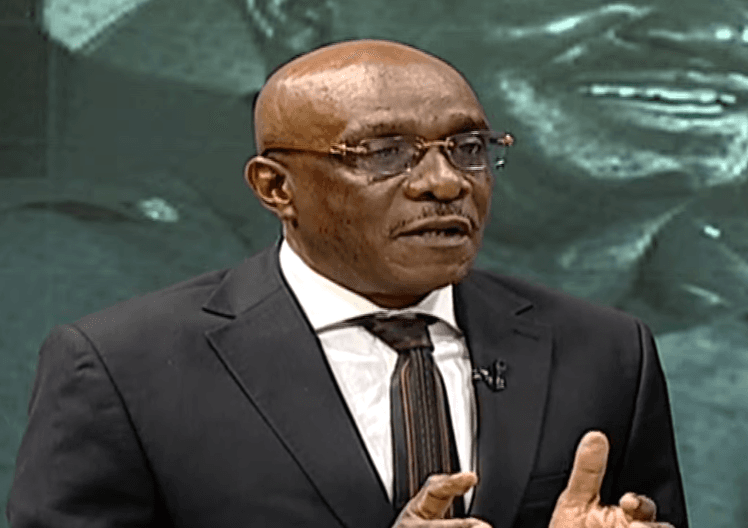
Political analyst Barrack Muluka has poured cold water on former Deputy President Rigathi Gachagua’s bid to reinvent himself as a national opposition figure, arguing that the embattled politician lacks the “ideological DNA” to mirror the late Raila Odinga’s legendary influence.
Speaking in Nairobi on Saturday, Muluka dissected Gachagua’s recent attempts to consolidate a political base following his impeachment, warning that mimicking Raila’s playbook requires more than just populism—it demands a history of struggle that Gachagua simply does not possess.
According to Muluka, the fundamental flaw in Gachagua’s strategy is the confusion of transactional influence with moral authority. While the late ODM leader built a movement based on the promise of democratic reform and national equity, Muluka noted that Gachagua’s brand has remained stubbornly insular, rooted in the controversial “shareholder” narrative.
“You cannot wake up one morning and decide to be a national statesman when your entire political currency has been spent on village politics,” Muluka observed. “Raila Odinga was the glue that held diverse coalitions together because he offered an ideology. Gachagua offers a transaction—tenders, positions, and tribal protection. That is not a foundation for national leadership; it is a recipe for isolation.”
The analyst pointed out that while Raila could command loyalty from the shores of Lake Victoria to the Coast, Gachagua’s influence struggles to cross the Chania River. “To emulate Raila, you need a national constituency. Gachagua is currently fighting to remain relevant in just one region,” he added.
Muluka also highlighted a stark contrast in the company the two leaders kept. He emphasized that Raila Odinga’s longevity was bolstered by a “brain trust” of top-tier lawyers, economists, and strategists who gave his chaotic mass movements intellectual weight.
“Raila’s court was a hub of debate and strategy. Gachagua’s circle appears to be an echo chamber of grievances,” Muluka said. “Those swinging from Raila’s coat tails did so because they believed in the destination. Those following Gachagua are likely doing so only as long as it is politically profitable.”
For the common Kenyan, this political posturing has real economic implications. Muluka warned that if the opposition space is filled by leaders pursuing personal vendettas rather than policy alternatives, the government will face no real check on excesses like over-taxation or wasteful spending.
He referenced the billions of shillings lost in opaque government deals, noting that a robust opposition—like the one Raila led—is essential for accountability. “If the person checking the government is only angry because they were removed from the feeding trough, they will not fight for the price of unga (maize flour) or fuel. They will only fight for their return to the table,” Muluka cautioned.
In his closing remarks, the analyst offered a grim prediction for Gachagua’s “Kingpin” ambitions if he does not pivot. “History is littered with men who thought they could inherit a kingdom they did not build. Without a genuine ideological shift, Gachagua risks becoming a regional chieftain in a country that is moving on.”
Keep the conversation in one place—threads here stay linked to the story and in the forums.
Sign in to start a discussion
Start a conversation about this story and keep it linked here.
Other hot threads
E-sports and Gaming Community in Kenya
Active 9 months ago
The Role of Technology in Modern Agriculture (AgriTech)
Active 9 months ago
Popular Recreational Activities Across Counties
Active 9 months ago
Investing in Youth Sports Development Programs
Active 9 months ago
Key figures and persons of interest featured in this article