We're loading the full news article for you. This includes the article content, images, author information, and related articles.
In a stunning political move, the county's ODM Governor has thrown his weight behind a UDA candidate in the Malava by-election, framing it as a test for a new 'broad-based' political cooperation.
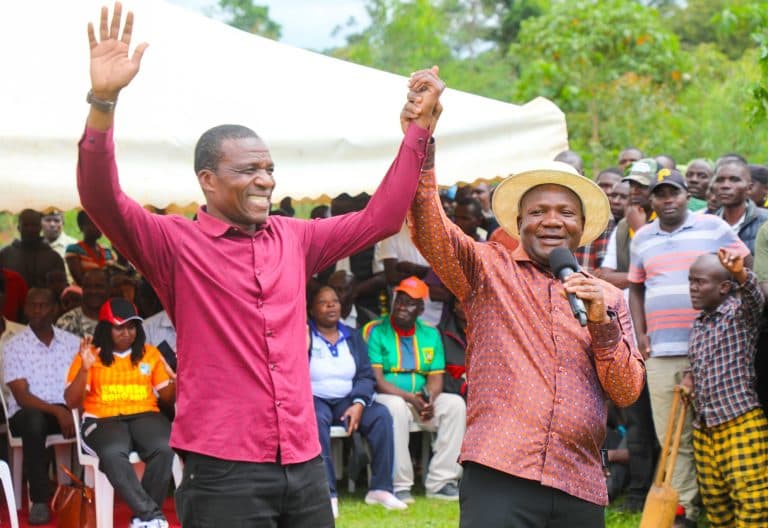
Kakamega Governor Fernandes Barasa has shattered political convention by openly campaigning for a rival party's candidate, sending a clear signal that the county's political landscape is shifting ahead of the 2027 general election.
The move places the Orange Democratic Movement (ODM) governor, who also serves as the party's county chair, squarely in the corner of the United Democratic Alliance (UDA) candidate, David Ndakwa, in the hotly contested Malava constituency by-election held on November 27. This decision is a direct challenge to the established political order in a region long considered an opposition stronghold.
"A win for Ndakwa will be a testament that the region is solidly in a broad-based government and will define the voting patterns in 2027," Barasa stated, emphasizing the strategic importance of the poll. He argued the cooperation is vital for ensuring development and political unity in Kakamega.
The Malava parliamentary seat, left vacant by the death of MP Malulu Injendi, has become a national political battleground. Barasa's endorsement is part of a wider, albeit unusual, alliance of senior political figures rallying for Ndakwa, including Prime Cabinet Secretary Musalia Mudavadi and National Assembly Speaker Moses Wetang'ula.
This cross-party support for the UDA candidate has been framed as essential for Malava to remain aligned with the national government, a strategy that proponents claim will accelerate development. The key players in this arrangement are:
The decision by ODM not to field its own candidate was an early sign of this new cooperation. However, the move has not been without controversy, exposing deep divisions within regional parties like DAP-K, whose Deputy Leader Ayub Savula also endorsed the UDA candidate, citing party infighting and the need to work with the government.
Analysts see this by-election as a crucial test of political alignments in Western Kenya. Barasa's public declaration that a Ndakwa victory would serve as a "warning shot to the so-called united opposition" underscores the high stakes. He has positioned the Malava poll as a vote of confidence in his strategy of working closely with President William Ruto's administration, a stance he has defended against criticism from within his own party.
As the votes were being counted, Barasa expressed confidence that Ndakwa would win, cementing the 'broad-based' arrangement. The outcome, which saw UDA's David Ndakwa declared the winner, is set to redefine political alliances and loyalties in Kakamega, signaling a significant realignment of power in the run-up to the next election.
Keep the conversation in one place—threads here stay linked to the story and in the forums.
Sign in to start a discussion
Start a conversation about this story and keep it linked here.
Other hot threads
E-sports and Gaming Community in Kenya
Active 9 months ago
The Role of Technology in Modern Agriculture (AgriTech)
Active 9 months ago
Popular Recreational Activities Across Counties
Active 9 months ago
Investing in Youth Sports Development Programs
Active 9 months ago
Key figures and persons of interest featured in this article