We're loading the full news article for you. This includes the article content, images, author information, and related articles.
The Kenya Wildlife Service has recovered approximately 2,000 kilograms of bushmeat, including suspected zebra meat, during a coordinated operation in Kiambu and Nairobi.
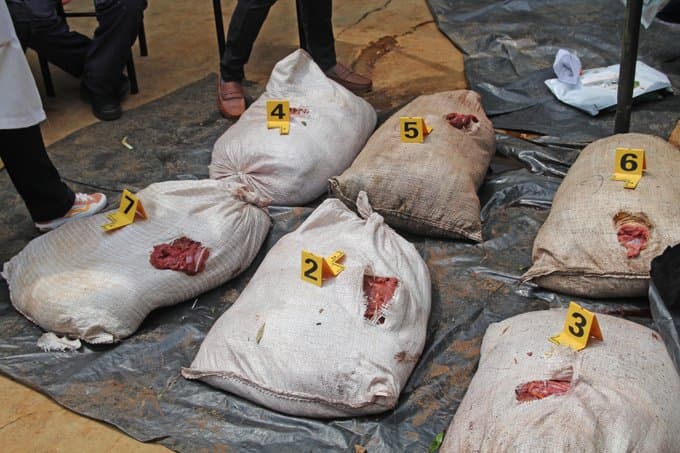
The Kenya Wildlife Service has recovered approximately 2,000 kilograms of bushmeat, including suspected zebra meat, exposing a highly organized and dangerous illegal wildlife trade network.
In a major victory for conservation and public health, the Kenya Wildlife Service executed a highly coordinated, intelligence-led operation that resulted in the seizure of two tonnes of illegal bushmeat. The massive haul, primarily consisting of de-boned zebra meat, was intercepted across locations in Kiambu and Nairobi counties.
This bust highlights a grim reality: the economic desperation driving the commercialization of poaching. The illegal trade not only devastates Kenya's iconic wildlife populations but also introduces severe zoonotic disease risks directly into the urban food supply chain.
The sting operation initially targeted a notorious syndicate operating out of Gikambura in Kiambu County. Acting on reliable intelligence, KWS enforcement officers raided suspected slaughter and packaging sites, uncovering the sheer industrial scale of the criminal enterprise.
Following the initial raid in Kiambu, rapid follow-up enforcement was executed at the bustling Dagoretti Market in Nairobi, a major hub for meat distribution in the capital. The coordinated strikes completely dismantled the syndicate's immediate supply line.
During the raids, officers recovered six heavy sacks packed with suspected de-boned zebra meat, one fully skinned zebra carcass, and 15 meticulously prepared frozen meat packages weighing approximately 250 grams each, ready for immediate retail sale to unsuspecting consumers.
While the conservation loss is tragic, the immediate danger to the residents of Nairobi is a severe public health crisis. The KWS issued a stark warning regarding the consumption of uninspected bushmeat seamlessly blended into the legitimate meat market.
Bushmeat handled completely outside of regulated, sanitary veterinary systems is a ticking biological time bomb. "Consumption of illegal bushmeat exposes handlers and consumers to zoonotic diseases through unsafe slaughter, handling, storage, and preparation," the KWS warned in a strongly worded public statement.
The scale of this operation indicates that this is not subsistence poaching for survival, but rather a lucrative, organized commercial enterprise. The demand for cheap protein in tough economic times creates a black market where poachers ruthlessly exploit vulnerable wildlife species like the zebra.
Kenya relies heavily on its wildlife for tourism revenue, which forms a massive pillar of the national economy. The systematic slaughter of these animals directly undermines the country's economic stability and heritage. Zebras, essential to the ecological balance of the savannah, are increasingly falling victim to wire snares and commercial butchery.
By heavily disguising the zebra meat and packaging it in standard 250-gram frozen blocks, the syndicate demonstrated a sophisticated understanding of urban retail psychology, easily deceiving buyers looking for affordable beef alternatives.
The four arrested suspects are currently undergoing intense interrogation as authorities attempt to map out the entire illicit supply chain, from the poachers in the national parks to the financial kingpins orchestrating the logistics in Nairobi.
The Kenya Wildlife Service has urgently appealed to the public to remain highly vigilant. Citizens are encouraged to report any suspicious slaughterhouse activities or the sale of unusually cheap, unverified meat to the authorities immediately.
"Protecting our wildlife is synonymous with protecting our own health," a KWS officer noted at the scene. As the suspects await arraignment, the operation stands as a stark reminder of the continuous, high-stakes battle to preserve Kenya's natural heritage against relentless commercial greed.
Keep the conversation in one place—threads here stay linked to the story and in the forums.
Sign in to start a discussion
Start a conversation about this story and keep it linked here.
Other hot threads
E-sports and Gaming Community in Kenya
Active 9 months ago
The Role of Technology in Modern Agriculture (AgriTech)
Active 9 months ago
Popular Recreational Activities Across Counties
Active 9 months ago
Investing in Youth Sports Development Programs
Active 9 months ago