We're loading the full news article for you. This includes the article content, images, author information, and related articles.
Kenya Pipeline Company faces seizure of Sh2.8 billion in assets after failing to compensate Makueni residents for a devastating 2015 oil spill, escalating a decade-long battle for justice and accountability.
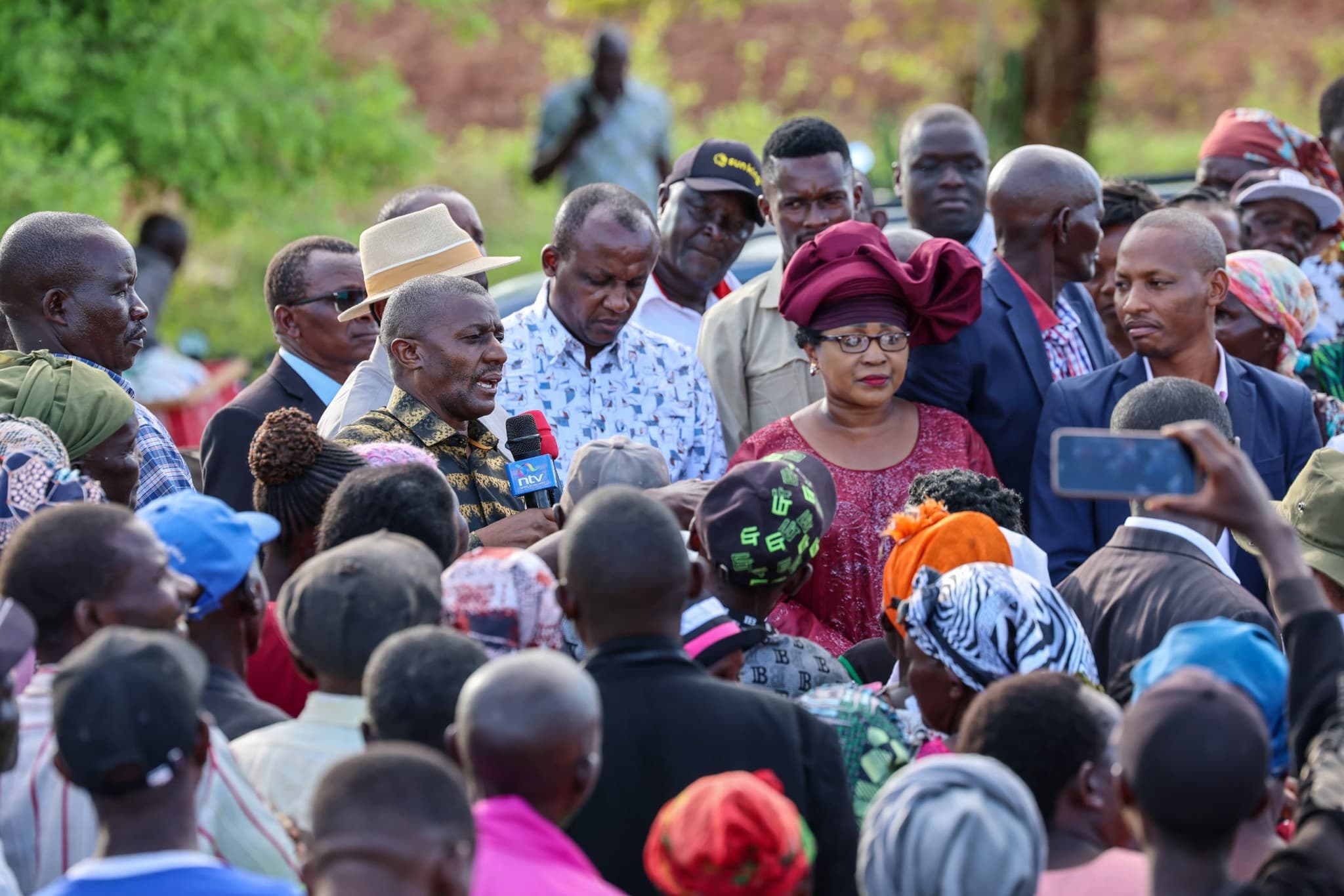
WOTE, MAKUENI – The Kenya Pipeline Company (KPC) is on the verge of losing assets valued at Sh2.8 billion, including helicopters, fuel tankers, and vehicles, after failing to pay a Sh2.66 billion compensation award to over 3,000 residents of Thange, Makueni County. The move, initiated by court-appointed auctioneers, marks a critical escalation in a ten-year struggle for justice following a catastrophic oil spill that contaminated their land and water sources. On Thursday, November 27, 2025, a deadline expired for the state corporation to settle the debt, prompting Legacy Auctioneering Services to issue a formal notice to attach 123 movable assets.
The crisis stems from a landmark ruling by the Environment and Land Court in Makueni on Friday, July 11, 2025. A three-judge bench, comprising Justices Christine Ochieng, Theresa Murigi, and Annette Nyukuri, ordered KPC and the National Environment Management Authority (NEMA) to pay a total of Sh3.8 billion in damages. The court found KPC 80% liable for the spill, with NEMA bearing 20% of the responsibility for what the judges termed a failure in its constitutional oversight mandate. The total award included Sh2.9 billion in direct compensation to the 3,075 petitioners and Sh900 million to be paid to NEMA for the environmental restoration of the Thange River basin.
The legal battle is rooted in an oil spill on May 12, 2015, caused by a corroded section of the Mombasa-Nairobi pipeline. The leak unleashed thousands of litres of petroleum products into the Thange River, the community's primary water source for domestic use and agriculture. The court heavily criticized KPC, noting that residents had reported visible signs of corrosion on the pipeline for at least five years before the incident, but their complaints were ignored.
The consequences for the Thange community have been severe and long-lasting. For a decade, residents have faced devastating health complications, including reports of increased cases of kidney and liver diseases, with at least 15 deaths directly linked to oil poisoning by the time the petition was filed in 2019. Agricultural land became barren, livestock perished, and water sources remain contaminated, crippling the local economy. Makueni Governor Mutula Kilonzo Junior has been a vocal advocate for the victims, describing the situation as a long-standing injustice and calling for the criminal prosecution of KPC directors for negligence.
Previous attempts at compensation by KPC were dismissed by the court. The judges declared that Sh38 million paid to 342 households through discharge vouchers was unconstitutional and void, ruling that the affected families had not been given sufficient information to make informed decisions.
The move by auctioneers comes at a turbulent time for KPC. The state-owned entity reported a Sh10 billion pre-tax profit for the financial year ending June 30, 2024, a 32% increase from the previous year, driven by a 15% rise in revenue to Sh35.4 billion. This robust financial performance has intensified criticism over its failure to compensate the Thange victims.
Adding to the pressure, the government's plan to privatize KPC has been contentious. In October 2025, a sessional paper revealed that unresolved compensation claims for the Makueni spill, amounting to Sh3.8 billion, were listed among KPC's liabilities that would need to be settled from the proceeds of the sale. However, the entire privatization plan, which aims to sell a majority stake in the company, was temporarily halted by the High Court in Nairobi in August 2025 following a petition by the Consumers Federation of Kenya (Cofek) citing a lack of transparency and potential risks to national security.
Despite the court-ordered payment deadline of 120 days from the July 11 ruling, KPC has not disbursed the funds and has instead moved to challenge the compensation award in court, leaving thousands of families in continued uncertainty. Attempts by news outlets to get a comment from KPC Managing Director Joe Sang regarding the auctioneers' notice have been unsuccessful.
The standoff between KPC and the Makueni community is a significant test case for corporate accountability and environmental justice in Kenya. The court's decision to hold both the polluter (KPC) and the regulator (NEMA) liable sets a powerful precedent. The lead petitioner, Muindi Kimeu, and the community's lawyer, Kamau Muthanwa, hailed the July ruling as a major victory for ordinary citizens against powerful state corporations.
As auctioneers prepare to seize state assets, the situation puts a spotlight on the enforcement of judicial decisions against government-owned entities. For the people of Thange, who have waited a decade for redress, the prospect of an auction offers a glimmer of hope that their long fight may finally be nearing a conclusion. The outcome will have far-reaching implications for how environmental disasters are managed and how victims are compensated in Kenya and the wider East Africa region.
Keep the conversation in one place—threads here stay linked to the story and in the forums.
Sign in to start a discussion
Start a conversation about this story and keep it linked here.
Other hot threads
E-sports and Gaming Community in Kenya
Active 9 months ago
The Role of Technology in Modern Agriculture (AgriTech)
Active 9 months ago
Popular Recreational Activities Across Counties
Active 9 months ago
Investing in Youth Sports Development Programs
Active 9 months ago
Key figures and persons of interest featured in this article