We're loading the full news article for you. This includes the article content, images, author information, and related articles.
The isolationist nation accuses the East African bloc of bias, dealing a fresh blow to diplomatic stability in the Horn just two years after rejoining the fold.

For the second time in two decades, Eritrea has slammed the door on the Intergovernmental Authority on Development (IGAD), plunging the Horn of Africa into deeper diplomatic uncertainty.
The withdrawal, announced via a sharp statement from Asmara on Friday, is not merely a bureaucratic shuffle. It signals a dangerous deepening of the rift between Eritrea and its neighbors—particularly Ethiopia—threatening to unravel fragile stability in a region where Kenya holds significant economic and security stakes.
In a move that caught many observers off guard, Eritrea’s Ministry of Foreign Affairs declared that the bloc had "forfeited its legal mandate." The statement accused IGAD of straying from its founding principles and mutating into a "tool against" sovereign nations like itself.
"Eritrea finds itself compelled to withdraw its membership from an organisation that... offers no discernible strategic benefit to all its constituencies," the ministry asserted.
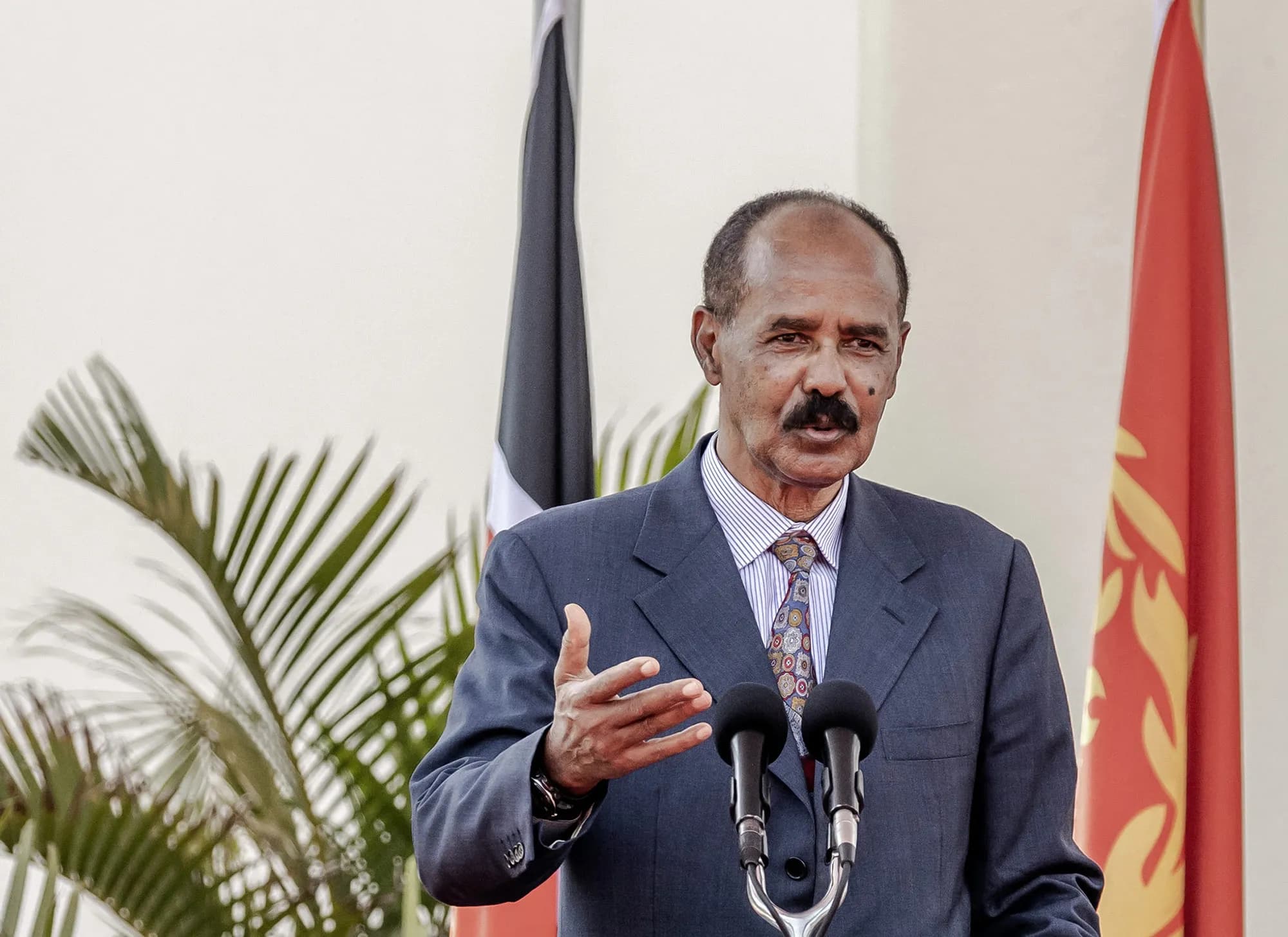
This diplomatic volatility is characteristic of President Isaias Afwerki’s administration. Asmara previously exited the bloc in 2007 at the height of a bitter border dispute with Ethiopia, only to return to the fold in 2023. That return was hailed as a new dawn for Horn integration; barely two years later, the sun has set on that optimism.
While the official statement cites institutional failures, analysts point to the deteriorating relationship between Asmara and Addis Ababa as the true catalyst. Once allies in the war against Tigrayan forces, the two nations have engaged in a fierce war of words recently, sparking fears of renewed armed conflict.
The friction has intensified following Ethiopia's aggressive push for access to the Red Sea, a move Eritrea views as an existential threat to its sovereignty. For Kenya, a lead negotiator in the region, this rupture complicates efforts to integrate the East African market.
Instability in the Horn often spills over borders. For the average Kenyan, a destabilized region means:
IGAD, headquartered in Djibouti, has struggled to maintain cohesion among its diverse membership, which includes Kenya, Uganda, Sudan, South Sudan, Djibouti, Somalia, and Ethiopia.
Responding to the withdrawal, the bloc’s secretariat dismissed Asmara's claims, noting that Eritrea had failed to offer any "tangible proposals" or engage meaningfully with reform efforts before pulling the plug.
As the Horn teeters on the edge of renewed friction, the empty seat at the IGAD table speaks louder than any diplomatic communiqué: in East Africa, peace remains a moving target, and the architecture designed to protect it is showing dangerous cracks.
Keep the conversation in one place—threads here stay linked to the story and in the forums.
Sign in to start a discussion
Start a conversation about this story and keep it linked here.
Other hot threads
E-sports and Gaming Community in Kenya
Active 10 months ago
The Role of Technology in Modern Agriculture (AgriTech)
Active 10 months ago
Popular Recreational Activities Across Counties
Active 10 months ago
Investing in Youth Sports Development Programs
Active 10 months ago
Key figures and persons of interest featured in this article