We're loading the full news article for you. This includes the article content, images, author information, and related articles.
Security fears mount as thieves target exhibition on its final day, escaping with priceless engravings in a brazen daylight heist.
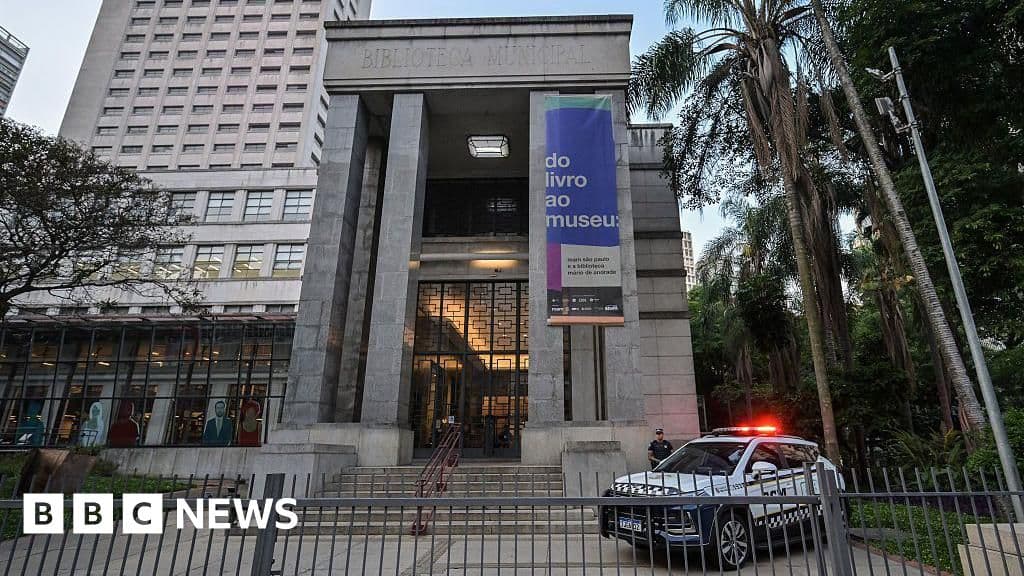
Two armed men turned a quiet Sunday morning at São Paulo’s Biblioteca Mário de Andrade into a crime scene, walking out with a trove of masterpieces by French giant Henri Matisse and Brazilian icon Cândido Portinari.
The brazen daylight raid, executed on the final day of the "From Book to Museum" exhibition, exposes glaring security gaps in global cultural institutions just weeks after a similar shock in Paris. For the art world, this is not just a theft; it is a calculated strike against public heritage.
According to Brazilian officials, the thieves entered the library’s main entrance at 10:00 local time (16:00 EAT), blending in with visitors. Once inside, the operation shifted from stealth to force. The assailants reportedly held up a security guard and an elderly couple viewing the exhibit, seizing control of the space before making their move.
The haul was specific and significant:
Witnesses described the men leaving as calmly as they arrived, exiting on foot toward a nearby metro station. The simplicity of the escape—walking out of the country's second-largest library with a canvas bag full of history—has left investigators scrambling for answers.
While the thieves initially vanished into the city's metro network, police made a breakthrough late Monday. Authorities confirmed the discovery of the "escape vehicle" and the subsequent arrest of one suspect. However, the artworks themselves remain missing.
The library, located in the heart of São Paulo, is equipped with facial recognition cameras—a high-tech defense that ultimately failed to deter a low-tech, brute-force robbery. This failure raises uncomfortable questions about the reliance on surveillance over physical security presence.
This heist does not exist in a vacuum. It comes less than two months after thieves broke into the Louvre Museum in Paris, stealing jewels valued at over $100 million (approx. KES 13 billion). The frequency of these attacks suggests a worrying trend where public galleries are becoming soft targets for organized crime.
While the specific value of the stolen engravings has not been disclosed, the market for these artists is astronomical. A single Matisse painting can command over $80 million (approx. KES 10.4 billion), and even his prints and drawings frequently sell for millions. For the average Kenyan, these figures are abstract, but the loss is tangible: these works are public assets, now likely destined for the black market where art often serves as currency for illicit trade.
"This was a crime against our collective memory," a local cultural commentator noted, emphasizing that the loss of the Portinari works strikes a particularly deep chord in Brazil's national identity.
Keep the conversation in one place—threads here stay linked to the story and in the forums.
Sign in to start a discussion
Start a conversation about this story and keep it linked here.
Other hot threads
E-sports and Gaming Community in Kenya
Active 9 months ago
The Role of Technology in Modern Agriculture (AgriTech)
Active 9 months ago
Popular Recreational Activities Across Counties
Active 9 months ago
Investing in Youth Sports Development Programs
Active 9 months ago