We're loading the full news article for you. This includes the article content, images, author information, and related articles.
New scientific analysis confirms global heating intensified cyclones that killed over 1,750 people, offering a stark warning for vulnerable nations.

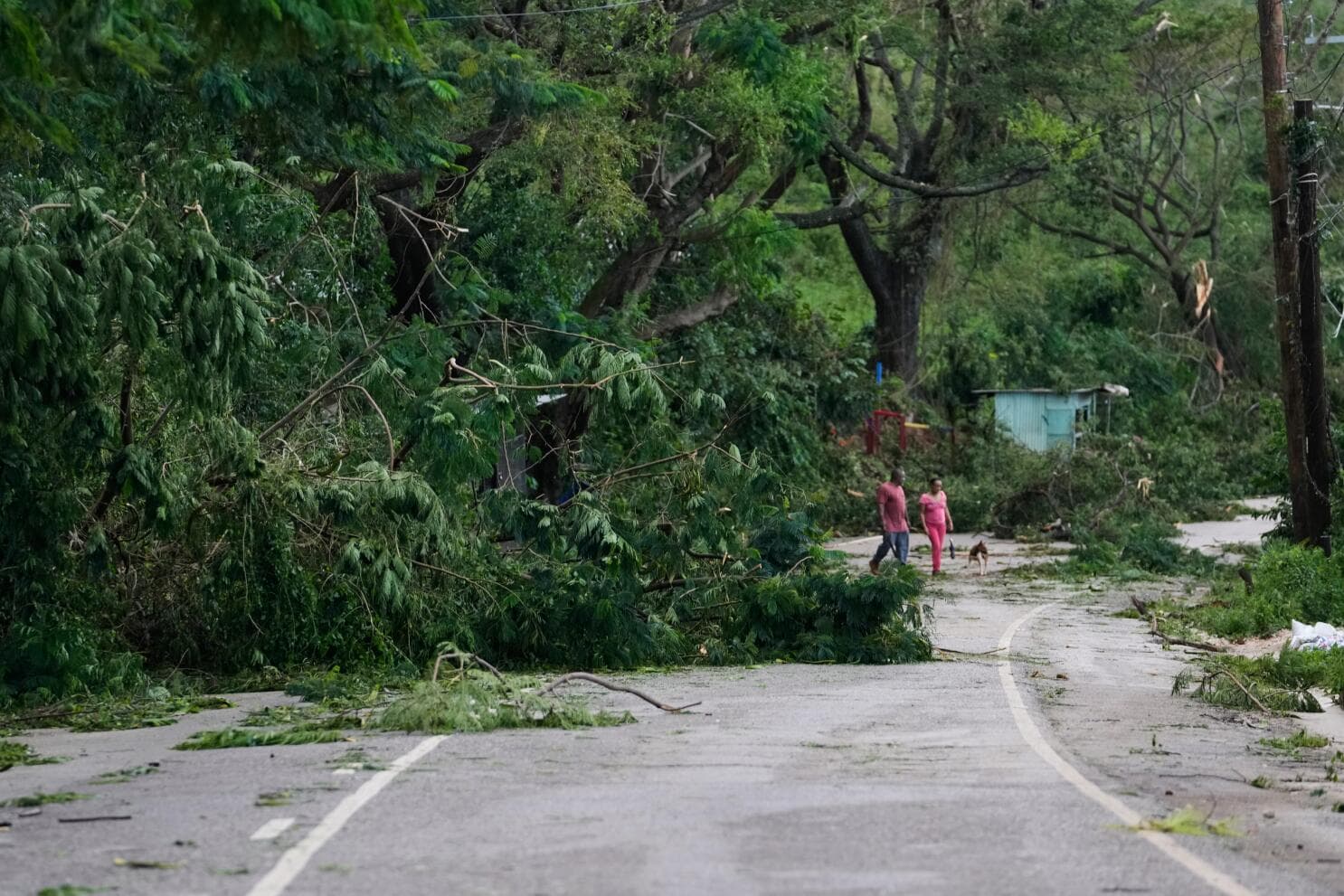
The catastrophic floods that claimed over 1,750 lives across Asia in late November were not merely acts of nature but disasters supercharged by human-induced climate change, a new scientific analysis has confirmed.
This is not business as usual. The findings by the World Weather Attribution (WWA) consortium serve as a grim siren for the Global South, including Kenya. As we grapple with our own erratic rains and infrastructure challenges, the data reveals a "new reality" where a warming planet turns seasonal showers into lethal torrents that disproportionately punish the poor.
The devastation was triggered by Cyclone Ditwah in Sri Lanka and Cyclone Senyar in Sumatra and Malaysia. While monsoon rains are a staple of the region's agricultural calendar, scientists emphasized that the sheer volume of water dumped during these storms was "not normal."
According to the WWA analysis, the intensity of five-day rainfall episodes in the regions hit by Cyclone Senyar increased by between 28% and 160% due to global heating. In Sri Lanka, heavy rain periods are now up to 50% more intense.
Dr. Sarah Kew, a lead author from the Royal Netherlands Meteorological Institute, described the situation as a "deadly mix."
"Monsoon rains are normal in this part of the world," Kew noted. "What is not normal is the growing intensity of these storms."
The tragedy underscores a critical lesson for urban planning in Nairobi and beyond: the environment is our first line of defense. In Sumatra, Indonesia, the flooding was exacerbated by rampant deforestation. Without trees to slow the runoff from hillsides, water rushed into settlements with devastating speed.
The human toll has been staggering:
Prof. Lalith Rajapakse of the University of Moratuwa in Sri Lanka characterized these events as an "alarming new reality" for the region, citing massive disruption to economic activities that sustain millions of families.
As the world warms, the margin for error shrinks. For nations on the frontlines of the climate crisis, the message from these floods is clear: adaptation is no longer a choice, but a requirement for survival.
Keep the conversation in one place—threads here stay linked to the story and in the forums.
Sign in to start a discussion
Start a conversation about this story and keep it linked here.
Other hot threads
E-sports and Gaming Community in Kenya
Active 9 months ago
The Role of Technology in Modern Agriculture (AgriTech)
Active 9 months ago
Popular Recreational Activities Across Counties
Active 9 months ago
Investing in Youth Sports Development Programs
Active 9 months ago