We're loading the full news article for you. This includes the article content, images, author information, and related articles.
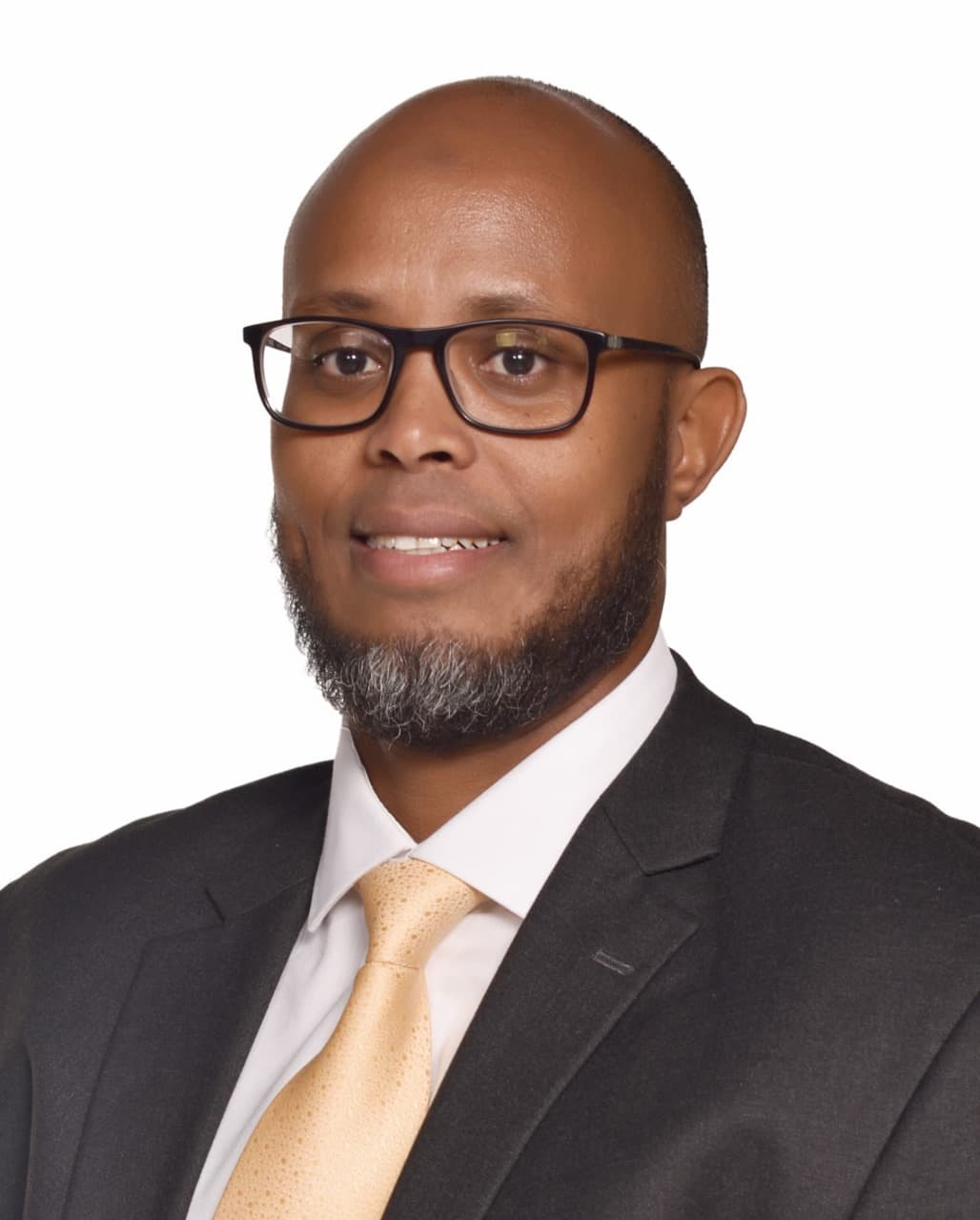
Ahmed Farah is appointed Executive Director of the East African Business Council, bringing his experience from TradeMark Africa and KNCCI to lead the push for regional trade integration.
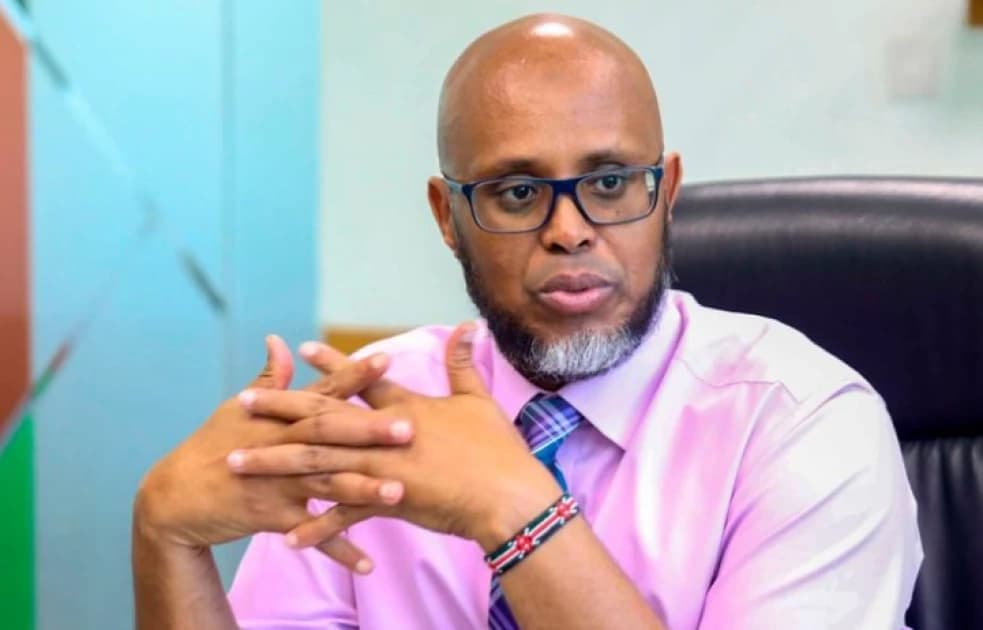
Ahmed Farah has been appointed as the new Executive Director of the East African Business Council (EABC), a move that places a seasoned technocrat at the wheel of the region’s most influential private sector lobby. His appointment comes at a critical juncture as the East African Community (EAC) grapples with trade disputes, currency volatility, and the integration of new member states.
Farah is no stranger to the corridors of power or the intricacies of cross-border trade. Having previously served as the Country Director for TradeMark Africa (TMA) in Kenya and recently as the CEO of the Kenya National Chamber of Commerce and Industry (KNCCI), he brings a Rolodex of contacts and a reputation for getting things done. His mandate is clear: to aggressively advocate for a barrier-free business environment in a region where non-tariff barriers often choke growth.
The EABC Board, led by Chairperson John Lual Akol Akol, selected Farah from a "competitive pool" of applicants, signaling that they wanted a heavy hitter. Farah’s track record at TradeMark Africa, where he oversaw projects that slashed border crossing times and digitized trade corridors, makes him the ideal candidate to operationalize the African Continental Free Trade Area (AfCFTA) agenda within the EAC.
"He understands the bureaucracy, but he thinks like the private sector," said one trade analyst. "That is the hybrid skill set the EABC needs right now." With the EAC expanding to include the DRC and Somalia, the complexity of doing business has increased exponentially. Farah’s job is to simplify it.
Farah’s appointment is more than just a job change; it is a statement of intent by the regional business community. They are tired of political rhetoric that doesn't translate into movement of goods. They want results.
As he steps into the Arusha-based role (with significant time in Nairobi), Ahmed Farah carries the weight of the private sector on his shoulders. If he succeeds, the cost of doing business drops for everyone. If he fails, the dream of a truly integrated East Africa remains just that—a dream.
Keep the conversation in one place—threads here stay linked to the story and in the forums.
Sign in to start a discussion
Start a conversation about this story and keep it linked here.
Other hot threads
E-sports and Gaming Community in Kenya
Active 9 months ago
The Role of Technology in Modern Agriculture (AgriTech)
Active 9 months ago
Popular Recreational Activities Across Counties
Active 9 months ago
Investing in Youth Sports Development Programs
Active 9 months ago
Key figures and persons of interest featured in this article