We're loading the full news article for you. This includes the article content, images, author information, and related articles.
Persistent technical faults in the RFCC unit at the Dangote Refinery threaten to curb gasoline output until mid-2026, delaying hopes for cheaper regional fuel.
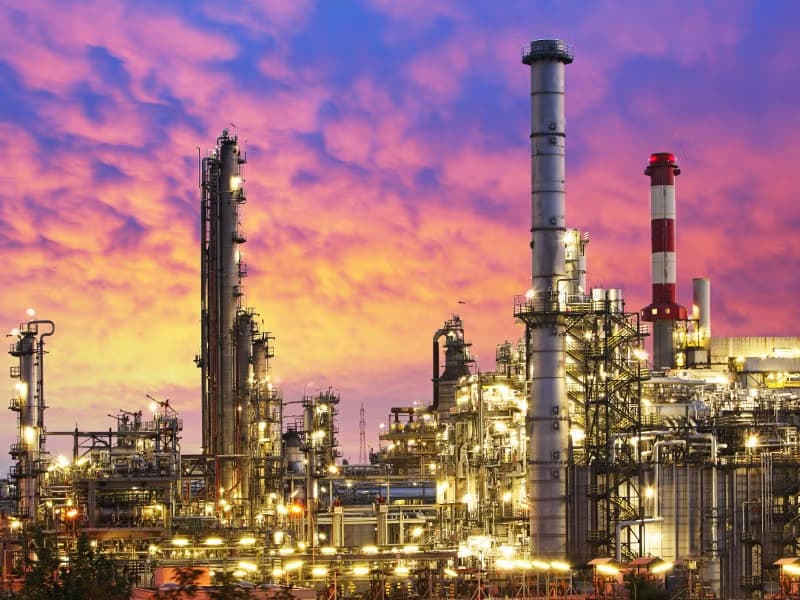
The crown jewel of African industrialisation is facing teething pains that could ripple across the continent’s fuel markets. The Dangote Refinery, the 650,000-barrel-per-day behemoth in Lagos, is battling persistent technical demons in its Residual Fluid Catalytic Cracking (RFCC) unit, threatening to throttle gasoline supply well into the first half of 2026.
Hailed as the "Game Changer" that would end Nigeria’s shameful reliance on imported fuel and supply the region, the refinery is discovering that size does not grant immunity to physics. A new report indicates that a bottleneck in the RFCC—a critical component that converts heavy crude oil into high-value gasoline—is forcing the plant to run below its nameplate capacity.
Engineering sources reveal that the RFCC unit has been pulled offline for unscheduled maintenance, disrupting the production flow. This has forced a reshuffling of the maintenance calendar.
Why should a Kenyan care about a broken pipe in Lagos? Because the global oil market is a single bathtub; ripples in Nigeria cause waves in Mombasa. If Dangote isn't pumping, the demand for European and Middle Eastern refined products remains high, keeping global prices—and our landing costs—elevated.
Aliko Dangote’s vision was to make Africa self-sufficient. This setback is a reality check. Building the world's largest single-train refinery is one thing; keeping it running smoothly is another beast entirely.
For us in Nairobi, currently paying KES 210+ for petrol, the news is sobering. We had hoped that a fully operational Dangote Refinery would flood the African market with cheaper fuel, breaking the stranglehold of the Middle East cartels. That dream is deferred, at least for another six months.
As Dangote’s engineers sweat over the RFCC in Lagos, motorists in Nairobi will continue to sweat at the pump. The path to energy independence, it seems, is paved with technical glitches.
Keep the conversation in one place—threads here stay linked to the story and in the forums.
Sign in to start a discussion
Start a conversation about this story and keep it linked here.
Other hot threads
E-sports and Gaming Community in Kenya
Active 9 months ago
The Role of Technology in Modern Agriculture (AgriTech)
Active 9 months ago
Popular Recreational Activities Across Counties
Active 9 months ago
Investing in Youth Sports Development Programs
Active 9 months ago