We're loading the full news article for you. This includes the article content, images, author information, and related articles.
President Ruto frames the UDA-ODM cooperation as a partnership of equals, signaling a seismic shift in Kenyan politics that prioritizes stability over rivalry.

President William Ruto describes the UDA-ODM alliance as a partnership of equals, signaling a seismic shift in Kenyan politics toward institutional stability.
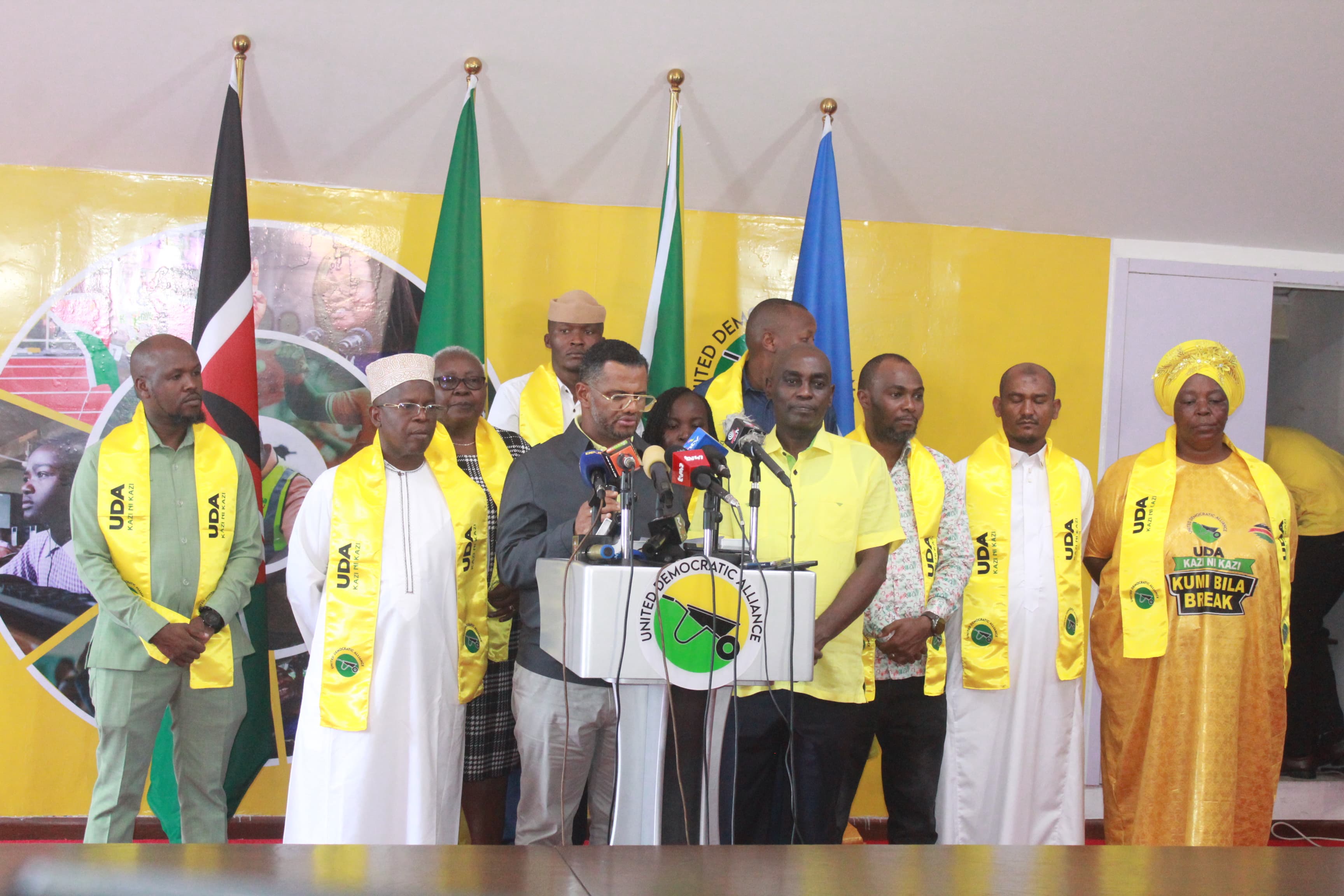
In a political landscape long defined by binary tribal rivalries and zero-sum combat, the evolving collaboration between President William Ruto's United Democratic Alliance (UDA) and the Orange Democratic Movement (ODM) represents an unprecedented realignment. For the casual observer, the rhetoric from State House suggests a genuine pivot: from the adversarial politics of the past to a 'broad-based' governance model that seeks to consolidate national development agendas over partisan point-scoring.
The core of this narrative, heavily supported by political heavyweights like Senator Oburu Odinga, is that the alliance is not a absorption of the opposition, but a deliberate, symbiotic partnership. But what does this truly mean for the future of Kenya's democratic trajectory, and is it a sustainable foundation for the upcoming electoral cycle?
At the heart of the UDA-ODM engagement lies a pragmatic calculation. President Ruto, facing mounting economic pressures and the need for legislative capital to pass key bills—including the controversial Finance Acts and structural reforms—has realized that governing by executive decree is insufficient. The ODM, historically the bastion of opposition, provides the parliamentary weight and institutional legitimacy required to stabilize the government.
For the ODM, the calculation is equally existential. By positioning itself within the current administration, the party seeks to protect its regional strongholds and influence national policy from the inside, rather than being sidelined. This is not merely about ministerial positions; it is about securing the political survival of the party in a landscape that has historically been unkind to opposition movements post-election.
Critics, however, argue that this "relationship of equals" is a sanitized term for the dilution of oversight. If the opposition is part of the government, who serves as the check on power? The watchdog role, historically performed by the ODM, now risks being hollowed out. This leaves a vacuum that smaller, fringe parties are currently struggling to fill.
Furthermore, the internal dynamics within the UDA itself are becoming increasingly complex. Hardliners who supported Ruto for the express purpose of defeating the Odinga machinery are feeling alienated. The President must now manage the delicate balance between keeping his new allies satisfied and maintaining the loyalty of his base, which feels that their revolutionary victory is being compromised by the inclusion of the "old guard."
Senator Oburu Odinga’s vocal support for this alliance adds a layer of familial and historical weight to the narrative. His endorsement is interpreted by many as a signal from the broader Odinga political dynasty that the time for confrontation has ended. It is a calculated move to transition the ODM from a protest movement to a governing party, thereby ensuring its relevance in the post-Raila era.
As the administration moves forward, the success of this alliance will not be judged by the speeches given at press conferences, but by the tangible outcomes in sectors such as agriculture and infrastructure. The Kenyan public, cynical after years of broken promises, is waiting to see if this "win-win" scenario translates to lower commodity prices and improved living standards. Ultimately, the durability of the UDA-ODM pact will be tested by the 2027 election, where the true cost of this alliance will be tallied in votes and political concessions.
"True governance is not about winning the debate; it is about building a state that survives the debate," a source close to the negotiations noted. The administration appears to be banking on the hope that voters will prefer stability over the chaos of traditional opposition.
Keep the conversation in one place—threads here stay linked to the story and in the forums.
Sign in to start a discussion
Start a conversation about this story and keep it linked here.
Other hot threads
E-sports and Gaming Community in Kenya
Active 9 months ago
The Role of Technology in Modern Agriculture (AgriTech)
Active 9 months ago
Popular Recreational Activities Across Counties
Active 9 months ago
Investing in Youth Sports Development Programs
Active 9 months ago