We're loading the full news article for you. This includes the article content, images, author information, and related articles.
Global financial markets are bracing for unprecedented turbulence as the sudden eruption of open warfare between the US, Israel, and Iran introduces a massive geopolitical wildcard into an already volatile economic landscape.
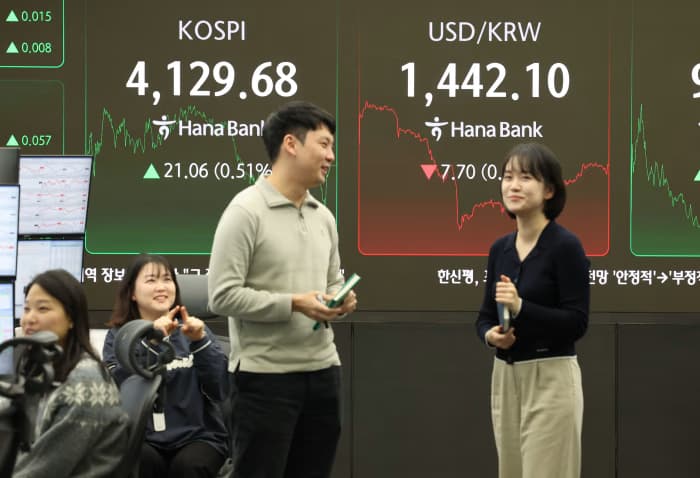
Global financial markets are bracing for unprecedented turbulence as the sudden eruption of open warfare between the US, Israel, and Iran introduces a massive geopolitical wildcard into an already volatile economic landscape.
Investors who spent the past week navigating the complexities of technological shifts and domestic economic data are now facing a terrifying new reality. The sudden military escalation in the Middle East has completely rewritten the risk calculus for the global economy, threatening to derail market stability worldwide.
For the Nairobi Securities Exchange and the broader Kenyan economy, the shockwaves from Wall Street serve as a grim omen. As foreign capital flees emerging markets for safe-haven assets, the shilling's stability and the cost of debt servicing are poised for a severe stress test in the coming weeks.
Prior to the missile strikes, Wall Street was primarily consumed by the ongoing narrative of Artificial Intelligence. The week was defined by intense debate over AI adoption rates, valuation multiples of major tech firms, and whether the massive capital expenditures in the sector would yield proportionate productivity gains across the broader economy.
However, the outbreak of war has violently shifted focus from futuristic tech algorithms to immediate, tangible threats. The intersection of highly inflated equity markets and a sudden, severe geopolitical shock creates the perfect conditions for a massive capital flight. Risk assets are highly vulnerable as institutional investors rapidly reallocate portfolios to mitigate exposure.
The most immediate and severe impact of the US-Iran conflict is the weaponization of energy resources. With major oil infrastructure and shipping lanes directly in the crosshairs, a severe supply shock is all but inevitable. For central banks worldwide, this represents the ultimate nightmare scenario: an exogenous inflationary shock.
A sustained spike in energy prices will force the US Federal Reserve and other major central banks to maintain or even raise interest rates, crushing economic growth to combat inflation. This phenomenon, known as stagflation, would have devastating consequences for frontier markets. High borrowing costs coupled with an exorbitant energy import bill would severely squeeze Kenya’s fiscal space.
As trading desks prepare for the week ahead, the atmosphere is one of extreme caution. The unpredictability of military conflict means that standard financial modeling is largely obsolete. Investors are completely dependent on rapidly changing news cycles, military press releases, and diplomatic breakdowns.
The situation underscores the fragile interconnectivity of the global financial system. A geopolitical decision made in Washington and Tel Aviv has immediate, severe financial consequences for a trader in New York, a factory owner in Europe, and a commuter in Nairobi.
"We are no longer trading on corporate earnings or economic fundamentals; we are entirely at the mercy of geopolitical roulette," stated a senior portfolio manager analyzing the unfolding crisis.
Keep the conversation in one place—threads here stay linked to the story and in the forums.
Sign in to start a discussion
Start a conversation about this story and keep it linked here.
Other hot threads
E-sports and Gaming Community in Kenya
Active 9 months ago
The Role of Technology in Modern Agriculture (AgriTech)
Active 9 months ago
Popular Recreational Activities Across Counties
Active 9 months ago
Investing in Youth Sports Development Programs
Active 9 months ago