We're loading the full news article for you. This includes the article content, images, author information, and related articles.
Virginia lawmakers have advanced bills to launch regulated retail cannabis sales, establishing a commercial framework that could generate significant tax revenues.
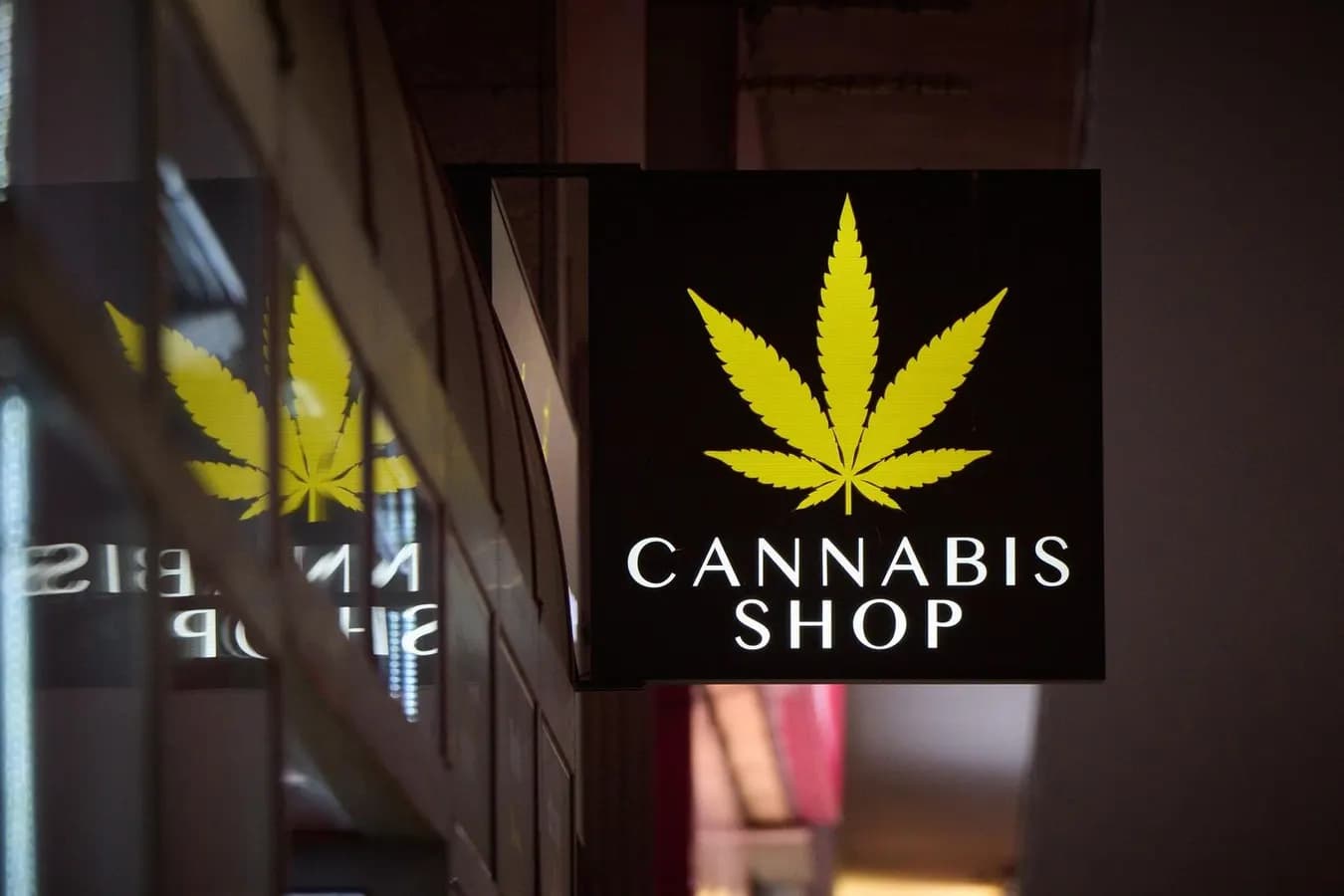
Virginia lawmakers have taken a decisive step toward establishing a fully regulated retail cannabis market, a legislative maneuver that holds profound implications for global drug policy and potential economic blueprints for nations like Kenya.
In a historic legislative push, the Commonwealth of Virginia is moving aggressively to transition its cannabis sector from a gray-market decriminalized status into a robust, taxable, and highly regulated retail industry. The advancing bills aim to create a structured commercial framework, promising significant tax revenues and job creation.
While this development unfolds thousands of miles away in the United States, its economic architecture offers a compelling case study for East African economies. In Kenya, where the debate surrounding the legalization of industrial hemp and medical marijuana remains a deeply polarizing political issue, Virginia's systematic approach provides crucial insights into balancing moral panic with fiscal pragmatism.
Virginia's journey to a regulated market has been fraught with political maneuvering. Lawmakers are carefully crafting policies to ensure equity, specifically aiming to empower communities disproportionately impacted by the historical "War on Drugs." The proposed legislation mandates rigorous licensing processes, quality control testing, and strict age-gating mechanisms to prevent underage access.
For Kenya, a nation grappling with a soaring youth unemployment rate and a crippling debt burden, the economic allure of a regulated cannabis market is increasingly hard to ignore. Proponents, echoing the late Ken Okoth and former presidential candidate George Wajackoyah, argue that taxing a regulated marijuana industry could generate billions of shillings annually—funds that could be redirected toward healthcare and education infrastructure.
However, the transition requires navigating a complex socio-political landscape. The Kenyan conservative establishment, backed by powerful religious institutions, views legalization as a gateway to societal decay. Virginia's meticulous regulatory framework—featuring child-proof packaging, advertising restrictions, and mandatory health warnings—could serve as a viable template to address these valid domestic concerns.
The financial projections for Virginia's retail market are staggering, with expected annual tax revenues running into hundreds of millions of dollars. If translated into the Kenyan context, even a fraction of this revenue could significantly alter the national budget deficit. The agricultural potential is equally compelling. Kenya's equatorial climate is ideally suited for large-scale cannabis cultivation, potentially positioning the country as a major exporter of medical-grade CBD products.
Furthermore, legalization would drastically reduce the massive state expenditure currently allocated to prosecuting and incarcerating low-level drug offenders. Kenyan prisons are chronically overcrowded, largely due to petty drug offenses. Decriminalization and regulation would free up law enforcement resources to tackle organized crime and high-level corruption.
As more American states and European nations embrace regulated cannabis markets, the global consensus on marijuana prohibition is rapidly dissolving. International treaties governing narcotics are under immense pressure to reform. African nations, often the hardest hit by punitive drug policies dictated by Western powers in the 20th century, are now left to navigate this changing tide.
Kenya stands at a crossroads. It can either maintain its draconian stance, fueling a thriving underground market that benefits criminal syndicates, or it can study the Virginia model. By proactively designing a regulatory framework tailored to the East African context, Nairobi could harness the economic windfall while safeguarding public health.
"The debate is no longer about whether cannabis will be legalized globally, but rather which nations will have the regulatory infrastructure ready to capitalize on the inevitable economic boom."
Keep the conversation in one place—threads here stay linked to the story and in the forums.
Sign in to start a discussion
Start a conversation about this story and keep it linked here.
Other hot threads
E-sports and Gaming Community in Kenya
Active 9 months ago
The Role of Technology in Modern Agriculture (AgriTech)
Active 9 months ago
Popular Recreational Activities Across Counties
Active 9 months ago
Investing in Youth Sports Development Programs
Active 9 months ago