We're loading the full news article for you. This includes the article content, images, author information, and related articles.
A devastating tragedy in Subukia highlights the silent killer of carbon monoxide poisoning from charcoal stoves, prompting urgent calls for household safety.
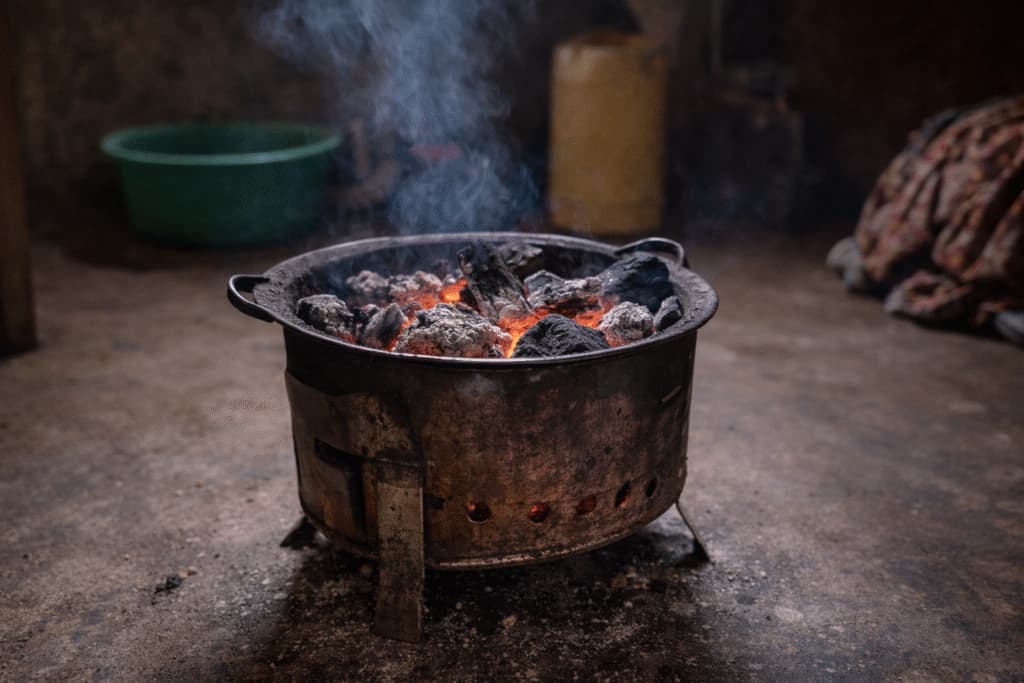
A devastating tragedy in Subukia highlights the silent killer of carbon monoxide poisoning from charcoal stoves, prompting urgent calls for comprehensive household safety campaigns across Kenya.
Grief has enveloped a family in Subukia, Nakuru County, following the tragic death of a 10-month-old baby. The infant fell victim to suspected carbon monoxide poisoning after a traditional charcoal stove, locally known as a jiko, was left burning overnight inside a poorly ventilated house.
As unseasonably cold weather grips various parts of the country, millions of Kenyans resort to using charcoal stoves for indoor heating. This heartbreaking incident is a grim reminder of the lethal dangers lurking in our homes. It exposes a critical knowledge gap regarding household safety and underscores the urgent need for a national transition to cleaner, safer energy alternatives.
Carbon monoxide (CO) is a highly toxic, colorless, odorless, and tasteless gas produced by the incomplete combustion of carbon-based fuels like charcoal, wood, and kerosene. Because it is undetectable by human senses, it is often referred to as the "silent killer." When a charcoal jiko is used in a confined, poorly ventilated space, the oxygen levels in the room are rapidly depleted. As oxygen drops, the jiko produces increasingly higher concentrations of carbon monoxide. Once inhaled, CO binds to hemoglobin in the bloodstream with an affinity approximately 200 times greater than oxygen. This effectively blocks the transport of vital oxygen to the brain, heart, and other critical organs. The physiological effects are swift and devastating. Victims initially experience mild symptoms that mimic the flu—headaches, dizziness, nausea, and confusion. However, because these symptoms are non-specific, they are often ignored or misdiagnosed. As the gas accumulates, victims slip into unconsciousness, leading to irreversible brain damage and, ultimately, death. Infants, whose bodies are smaller and metabolic rates faster, are uniquely vulnerable to rapid poisoning.
The continued reliance on charcoal stoves for indoor heating is deeply intertwined with Kenya's socio-economic realities. Despite the aggressive push for liquid petroleum gas (LPG) and rural electrification, millions of households remain tethered to solid biomass fuels due to stark economic constraints.
For many families in Subukia and beyond, the jiko is not a choice, but a necessity dictated by poverty. The tragedy of the 10-month-old baby is a direct consequence of energy poverty. When the cost of staying warm legally and safely exceeds a family's daily wage, they are forced into a deadly gamble. The government's energy policy must bridge the gap between aspirational clean energy goals and the brutal economic realities of the grassroots. Subsidizing clean cooking technologies is not merely an environmental imperative; it is a critical public health intervention.
The death of a child under such preventable circumstances demands an immediate and robust response from the Ministry of Health and civic authorities. There is an urgent need for widespread, localized civic education campaigns on the dangers of indoor charcoal use. These campaigns must utilize community radio, local administration networks, and health clinics to disseminate life-saving information. Furthermore, engineers and urban planners must champion the design of low-cost housing that inherently promotes natural ventilation. Ultimately, the eradication of carbon monoxide poisoning requires a holistic approach that tackles the root cause: energy inequality. No family should have to choose between freezing in the night and risking a silent death. “The warmth of a fire should sustain life, not extinguish it in the silence of the night,” remarked a grieving community elder.
Keep the conversation in one place—threads here stay linked to the story and in the forums.
Sign in to start a discussion
Start a conversation about this story and keep it linked here.
Other hot threads
E-sports and Gaming Community in Kenya
Active 9 months ago
The Role of Technology in Modern Agriculture (AgriTech)
Active 9 months ago
Popular Recreational Activities Across Counties
Active 9 months ago
Investing in Youth Sports Development Programs
Active 9 months ago