About Taj Gems & Jewellers
Taj Gems & Jewellers: Heritage, Craft, and the Language of Stones
1. Origins: From Old Town Mombasa to Modern Nairobi
Taj Gems & Jewellers is not a brand that began in a mall—it began in history.
Its roots trace back to the Old Town of Mombasa, a place defined by centuries of Indian Ocean trade, cultural fusion, and artisanal craftsmanship. This environment shaped the brand’s early identity—where jewellery was not just adornment, but a reflection of heritage, status, and storytelling.
Founded in 1981, the business started as a family-run atelier, building trust through precision, authenticity, and long-term relationships rather than mass visibility. Over decades, it evolved into a name associated with quality gemstones and bespoke craftsmanship in Kenya.
Today, its presence at Two Rivers Mall—one of East Africa’s largest and most upscale retail destinations—signals a deliberate shift:
from heritage-rooted craftsmanship → to contemporary luxury positioning.
2. The Brand Philosophy: Jewellery as Legacy, Not Purchase
At its core, Taj Gems operates on a philosophy rarely articulated but deeply felt:
Jewellery is not bought. It is commissioned into memory.
This is evident in three defining pillars:
• Bespoke-first approach
Clients are not pushed toward inventory—they are guided toward creation.
• Ethical sourcing & gemstone integrity
The brand emphasizes authentic, high-grade gemstones, including regional stones like Tanzanite—positioning pieces as both emotional and investment assets.
• Intergenerational trust
Being family-run since inception gives it something modern brands struggle to replicate: continuity of craft and relationship.
3. Craftsmanship: Where Tradition Meets Technology
What distinguishes Taj Gems is how it merges old-world artistry with modern precision:
• 3D Jewellery Design Technology
Clients can visualize pieces before production—bridging imagination and execution.
• Hand-finished detailing
Despite digital modeling, final pieces retain human craftsmanship, ensuring uniqueness.
• Custom engineering of meaning
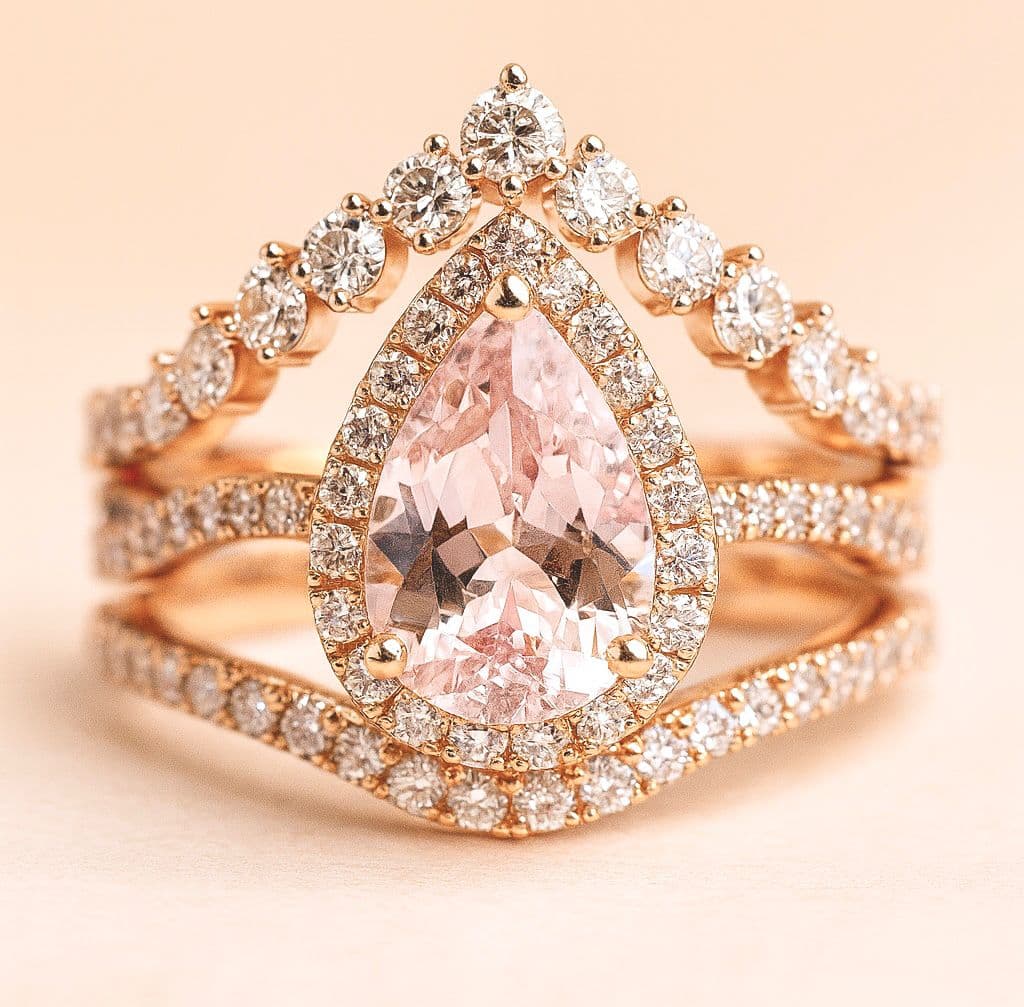
Engagement rings, wedding bands, and heirloom pieces are not standardized—they are architected around personal narratives.
This duality—technology enabling emotion—positions the brand in a space between traditional jeweller and modern luxury design studio.
4. Product Universe: More Than Jewellery
Taj Gems is not limited to finished pieces. Its offering spans a wider ecosystem:
• Diamond & gemstone jewellery (rings, necklaces, bracelets)
• Loose investment-grade gemstones
• Bridal and engagement collections
• Custom commissions for special occasions
This creates two distinct client journeys:
1. Emotional buyers → weddings, anniversaries, milestones
2. Strategic buyers → gemstone investors, collectors
That dual positioning is rare—and powerful.
5. The “Bunnies”: Decoding the Signature Pieces
The “bunnies” represent something deeper than a playful design—they are a strategic expression of brand personality.
What the Bunnies Symbolize:
• Soft luxury
Moving away from aggressive, status-heavy jewellery into something subtle, expressive, and intimate
• Youthful elegance
They attract a younger, design-aware audience without diluting brand prestige
• Emotional storytelling
A bunny motif often represents:
• gentleness
• affection
• companionship
• quiet joy
This aligns perfectly with the brand’s broader philosophy:
luxury that whispers, not announces
Why They Matter Commercially:
• They act as entry-point luxury pieces
• They are highly giftable (birthdays, romantic gestures, self-reward)
• They create visual identity in a market dominated by generic diamond designs
6. Market Positioning: Where Taj Gems Sits in Kenya’s Luxury Landscape
Taj Gems occupies a very specific and strategic position:
Dimension Positioning
Heritage Deep (since 1981, Mombasa roots)
Craftsmanship High, bespoke-driven
Accessibility Mid-to-high luxury
Innovation Strong (3D design integration)
Emotional Branding Elevated (story-driven pieces like bunnies)
This allows it to compete across segments:
• Against traditional jewellers → through design innovation
• Against modern luxury brands → through heritage and trust
7. Strategic Insight: Why the Brand Works
Taj Gems succeeds because it aligns three rare elements:
1. Time – decades of credibility
2. Taste – evolving design language
3. Trust – family-driven continuity
Few brands manage all three simultaneously.