We're loading the complete profile of this person of interest including their biography, achievements, and contributions.

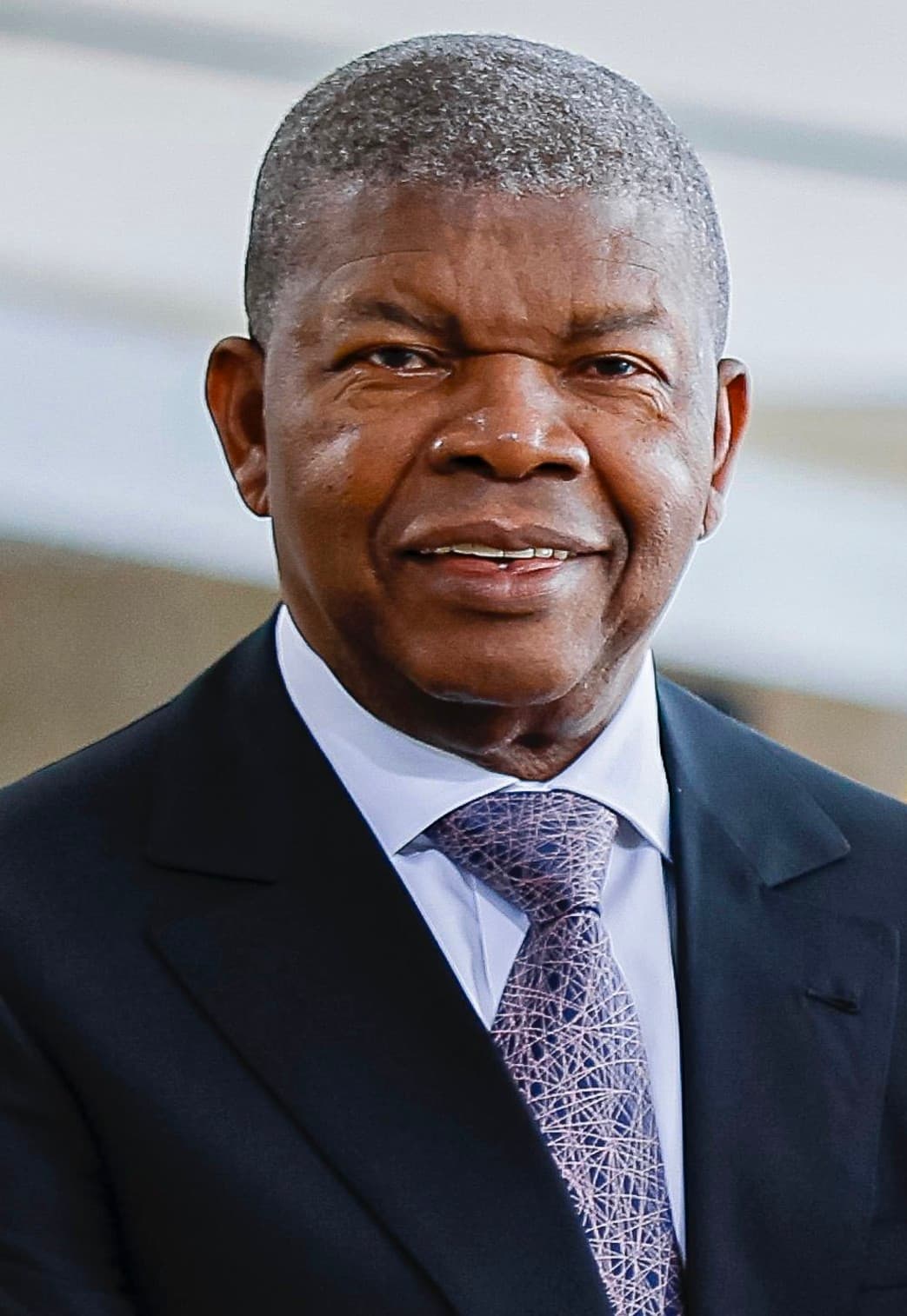
President of Angola
Born
1954(72 yrs)
Region
Luanda
Public Views
Experience
Documented career positions
João Manuel Gonçalves Lourenço (born 5 March 1954) is the President of Angola, in office since 26 September 2017, and the leader of the ruling MPLA since 2018. A career military officer who rose to the rank of general, he served for years inside the MPLA’s senior political machinery—most notably as Secretary-General (1998–2003)—before returning to frontline executive power as Minister of National Defence (2014–2017) and then succeeding José Eduardo dos Santos as head of state. Lourenço entered office promising a break with Angola’s entrenched patronage politics, launching a high-profile anti-corruption and state-reform agenda that quickly targeted elements associated with the dos Santos era. His first term also emphasized privatisation and economic diversification in an economy long dominated by oil revenues. In 2022, he won a second term after Angola’s closest election in decades; the opposition UNITA rejected the results and sought to annul them, but the Constitutional Court dismissed the challenge, leaving Lourenço to continue his reform agenda under a cloud of contested legitimacy in parts of the electorate.
AI-powered civic intelligence rating
Anti-corruption pivot after 2017: Moved against networks tied to the previous administration and enabled investigations that have continued to shadow prominent dos Santos-era figures.
Maintained MPLA power through a close 2022 election: Secured a second term in the tightest contest Angola has seen in years, keeping the MPLA’s long rule intact.
Disputed 2022 election: UNITA rejected the results and pursued annulment; Angola’s Constitutional Court dismissed the complaint, but debate over transparency and legitimacy persisted.
Anti-corruption seen as selective by critics: Supporters frame the crackdown as state clean-up; critics argue it can function as political consolidation against rivals from the old order.
Dos Santos family prosecutions and global spillover: The Isabel dos Santos cases have become an international flashpoint, including UK sanctions and asset-freeze actions cited as corruption-related, which she disputes.
Privatisation and reforms agenda: Re-committed the state to restructuring and selling selected public assets while signalling a shift toward a more market-oriented framework.
Regional leadership roles: Served as SADC Chair (2023–2024) and later became African Union Chairperson (2025), reinforcing Angola’s diplomatic stature.
Economic hardship and inequality pressures: Despite reform messaging, Angola continues to face deep inequality and social strain—issues that shape domestic criticism of the pace and reach of reforms.