We're loading the complete profile of this person of interest including their biography, achievements, and contributions.
Film Director & Screenwriter
Public Views
Experience
Documented career positions
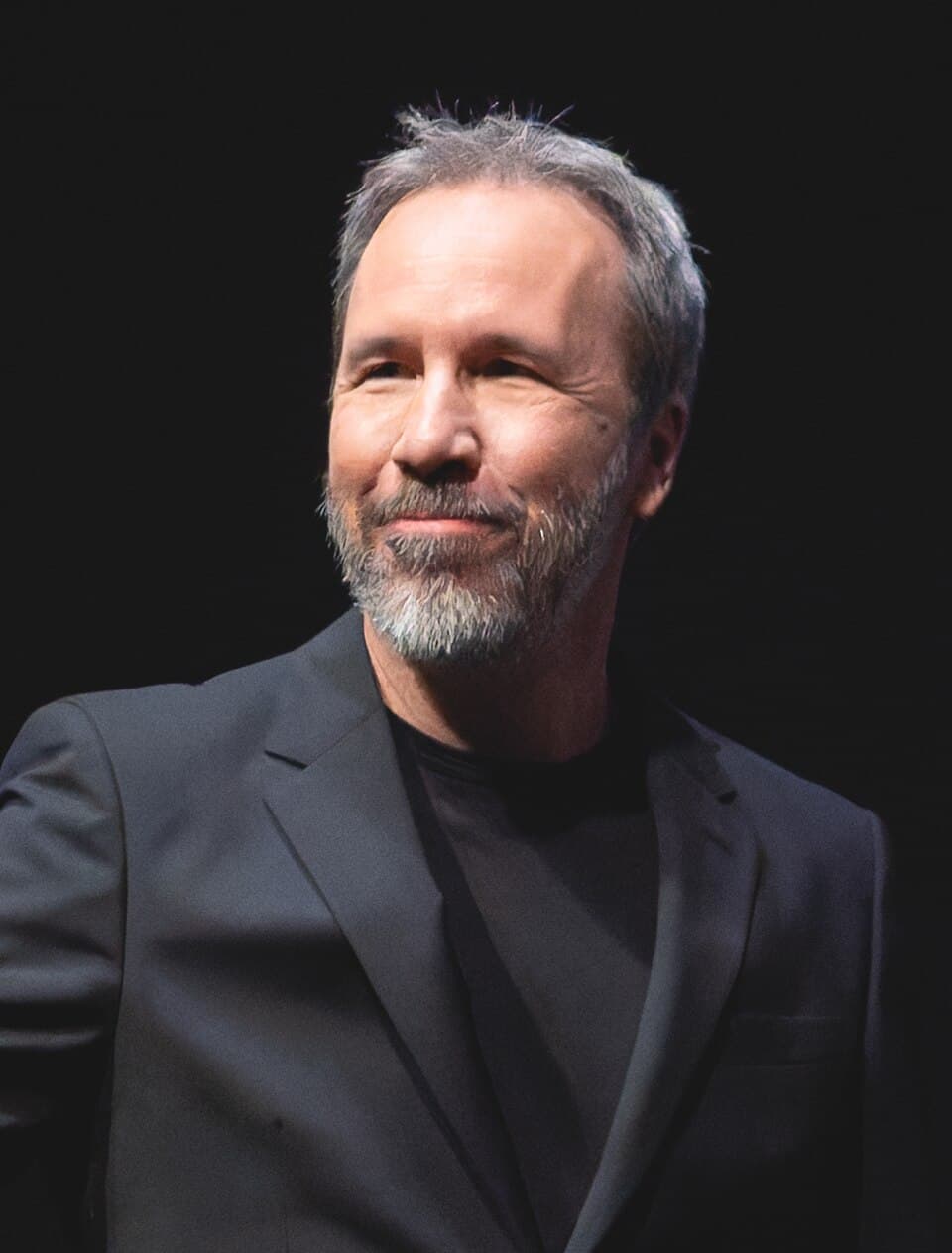
Denis Villeneuve, OC, CQ, RCA, OAL, is a highly acclaimed Canadian film director and screenwriter, widely recognized as one of the most significant filmmakers of his generation. Born on October 3, 1967, in the village of Gentilly, Quebec, Canada, he is the eldest of four children born to Nicole Demers, a homemaker, and Jean Villeneuve, a notary. His younger brother, Martin, also pursued a career in filmmaking. Villeneuve’s early passion for cinema was fostered by his interest in science fiction comics and novels, as well as classic films such as 2001: A Space Odyssey and Star Wars, which he famously studied during his adolescence. Villeneuve received his formal education in Quebec, attending the Séminaire Saint-Joseph de Trois-Rivières and subsequently studying science at the Cégep de Trois-Rivières. He later enrolled at the Université du Québec à Montréal, where he focused on communications and cinema. His professional trajectory began in the early 1990s when he participated in the Radio-Canada youth film competition, La Course Europe-Asie, which he won in 1991. This victory provided a platform for his early career, leading to opportunities to work on documentaries and short films, including his 30-minute short REW-FFWD (1994). Villeneuve’s feature film directorial debut, August 32nd on Earth (1998), premiered in the Un Certain Regard section at the Cannes Film Festival and established his initial presence in Canadian cinema. He followed this with the psychological drama Maelström (2000) and the stark, black-and-white feature Polytechnique (2009), the latter of which dramatized the 1989 École Polytechnique massacre. His breakthrough into international acclaim occurred with his fourth feature, Incendies (2010). The film received widespread critical praise and was nominated for the Academy Award for Best International Feature Film, marking a pivotal moment in his transition from a respected Quebecois auteur to a globally recognized director. Following his success in Canada, Villeneuve transitioned to English-language Hollywood productions with the thriller Prisoners (2013), followed by the psychological drama Enemy (2013) and the crime thriller Sicario (2015). Each of these projects was noted for its atmospheric tension and precise visual storytelling. He further solidified his reputation as a master of modern science fiction with Arrival (2016), which earned him his first Academy Award nomination for Best Director. This was succeeded by the ambitious, visually acclaimed sequel Blade Runner 2049 (2017). His mastery of large-scale storytelling culminated in his two-part adaptation of Frank Herbert’s classic novel Dune (2021) and Dune: Part Two (2024). Both films were significant commercial and critical successes, with the two-part saga grossing over $1.15 billion globally and securing multiple Academy Award nominations, including Best Picture. Throughout his career, Villeneuve’s films have been characterized by a distinct stylistic approach—often blending somber, atmospheric tension with deep philosophical inquiries into identity, trauma, and the human condition. His frequent collaborations with high-profile cinematographers, most notably Roger Deakins, have contributed to a highly distinct, immersive visual aesthetic. In his personal life, Villeneuve is married to Tanya Lapointe, a journalist and documentary filmmaker who frequently collaborates with him on his film projects. He has three children from a previous relationship with Julie Rainville, including his daughter Salomé Villeneuve, who has also embarked on a career as a filmmaker. Villeneuve’s contributions to the arts have been recognized through numerous honors, including appointments to the Order of Canada and the National Order of Quebec. In 2019, the Hollywood Critics Association named him the Filmmaker of the Decade, cementing his legacy as a transformative figure in contemporary cinema.
Directed Dune and Dune Part Two successfully adapting the unadaptable sci-fi masterpiece into a multi-billion dollar global franchise that won six Academy Awards
Revived the iconic Blade Runner universe with Blade Runner 2049 executing a visually stunning deeply philosophical sequel that was widely praised by critics and cinephiles
Faced intense scrutiny and immense pressure from the estate of Frank Herbert and hardcore science fiction purists to perfectly capture the complex ecological and geopolitical themes of Dune leading him to famously split the first book into two massive films to avoid rushing the narrative
His films specifically Blade Runner 2049 are occasionally criticized by Hollywood studio executives for prioritizing slow meticulous pacing and bleak philosophical themes over traditional fast-paced action resulting in occasionally volatile box office returns despite universal critical acclaim
News articles featuring Denis Villeneuve
Directed critically acclaimed intellectually complex films including Arrival Sicario and Prisoners establishing himself as the premier auteur of modern science fiction
Honored as an Officer of the Order of Canada and a Knight of the National Order of Quebec
Won the Radio-Canada 'La Course destination monde' filmmaking competition in 1991.
Directed his debut feature film, 'Un 32 août sur terre' (1998), which was selected for the Un Certain Regard section at the Cannes Film Festival.
Won the Genie Awards for Best Motion Picture and Best Director for 'Maelström' in 2001.
Won the Genie Awards for Best Motion Picture and Best Director for 'Polytechnique' in 2009.
Earned an Academy Award nomination for Best Foreign Language Film for 'Incendies' in 2011.
Won the Genie Awards for Best Motion Picture and Best Director for 'Incendies' in 2011.
Received an Academy Award nomination for Best Director for the film 'Arrival' in 2017.
Appointed an Officer of the Order of Canada in 2017 for his contributions to cinema.
Named a Companion of the Order of Arts and Letters of Quebec in 2018.
Named Filmmaker of the Decade by the Hollywood Critics Association in December 2019.
Received Academy Award nominations for Best Picture and Best Adapted Screenplay for 'Dune' in 2022.
Received an honorary Doctorate in Fine Arts from Concordia University on June 6, 2024.
Received the Academy Icon Award at the 12th Canadian Screen Awards on May 31, 2024.