We're loading the complete profile of this person of interest including their biography, achievements, and contributions.
Transitional President of Gabon
Public Views
Experience
Documented career positions
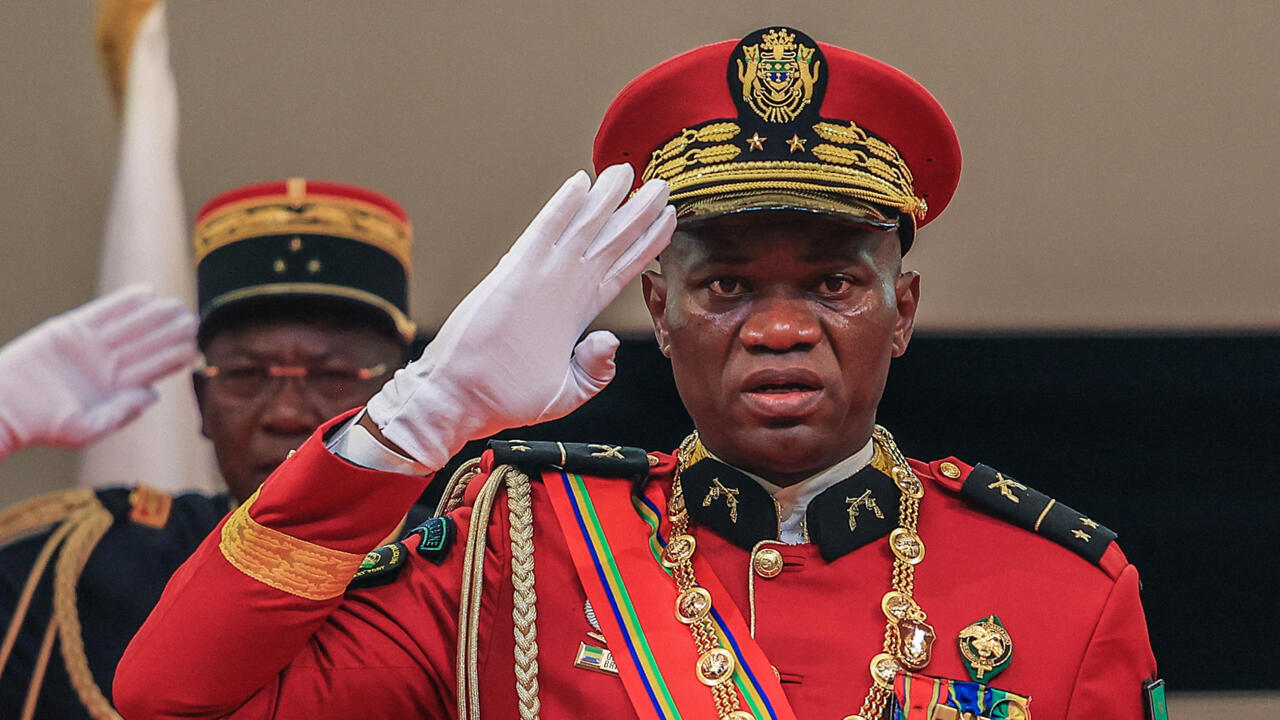
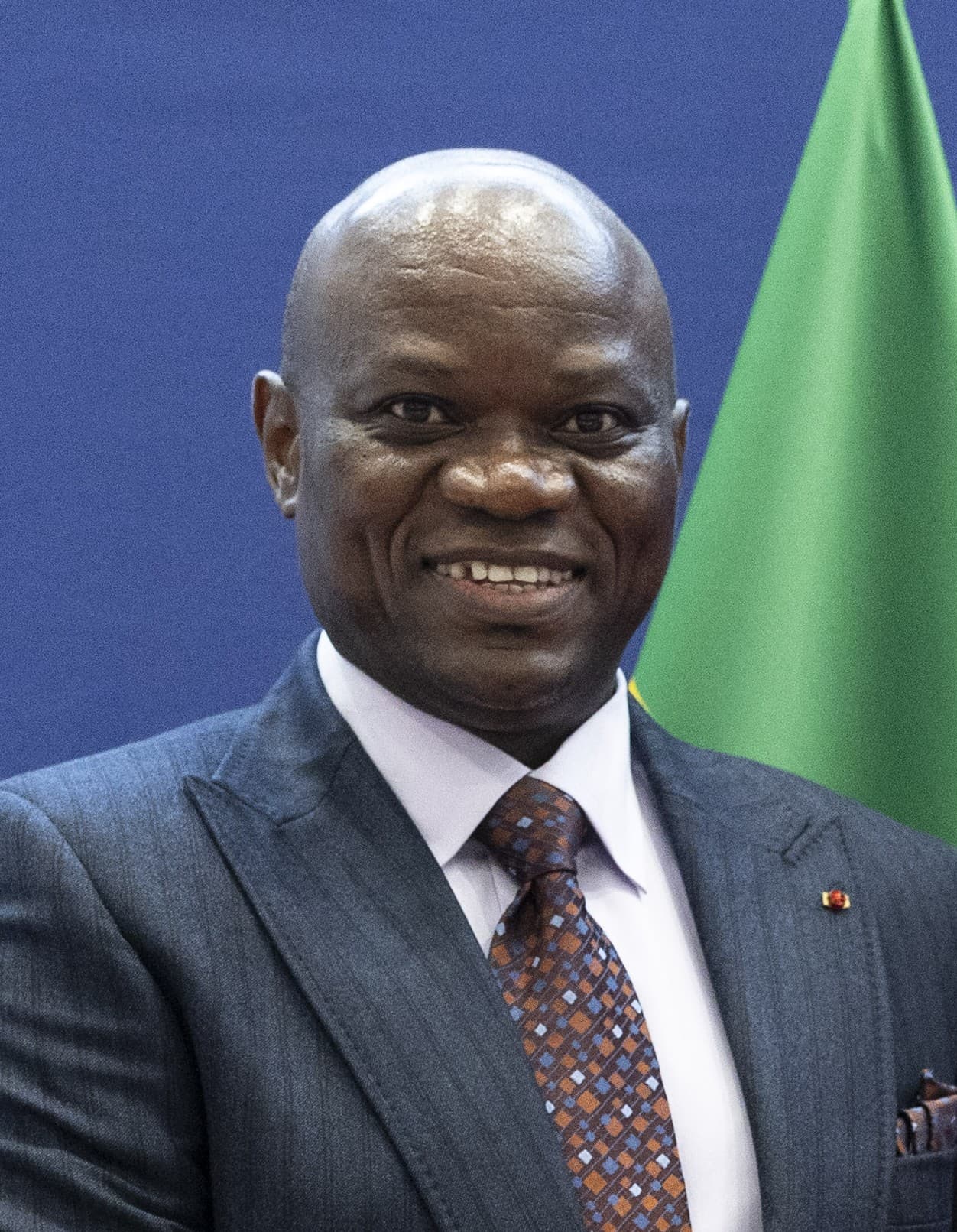
General Brice Clotaire Oligui Nguema (born 3 March 1975) is the leader who took charge of Gabon after the 30 August 2023 coup, when soldiers annulled the election result that had declared President Ali Bongo Ondimba the winner and ended the Bongo family’s decades-long grip on power. A former commander of the Republican Guard, Oligui became the face of the transition and pledged a “restoration” agenda centered on institutional repair, a new electoral framework, and a break with the excesses associated with the previous era. The transition culminated in Gabon’s 12 April 2025 presidential election, the first since the coup. Oligui ran and won by a landslide; Gabon’s Constitutional Court later confirmed his victory (reported at 94.85%) and he was inaugurated on 3 May 2025 for a seven-year term. His presidency is framed around anti-corruption rhetoric and economic repositioning—especially reducing dependence on oil—yet he also faces persistent scrutiny over continuity with old networks, given his long service within the former security architecture.
Led the August 2023 takeover that reset Gabon’s political order and ended the Bongo dynasty’s long rule.
Managed the transition to elections, overseeing the process that culminated in the April 2025 presidential vote.
Won and was confirmed as president in 2025, with the Constitutional Court validating the result and setting a new seven-year term.
Coup legitimacy: Critics frame the 2023 takeover as unconstitutional even as supporters argue it prevented electoral fraud and institutional collapse.
Continuity concerns: Despite “break with the past” messaging, opponents highlight his long service within the previous regime’s security ecosystem.
Election fairness debates (2025): Rivals alleged misuse of state resources; authorities denied wrongdoing, while observers described the process as largely satisfactory.
Reframed economic priorities publicly toward diversification (agriculture, industry, tourism) to reduce oil dependence.
Transition credibility: The central test remains whether institutional reforms translate into durable checks and competitive politics beyond the transition’s momentum.