We're loading the full news article for you. This includes the article content, images, author information, and related articles.
Zimbabwe confirms 15 citizens died in the Russia-Ukraine conflict after being lured by deceptive job offers, exposing a lethal human trafficking network.
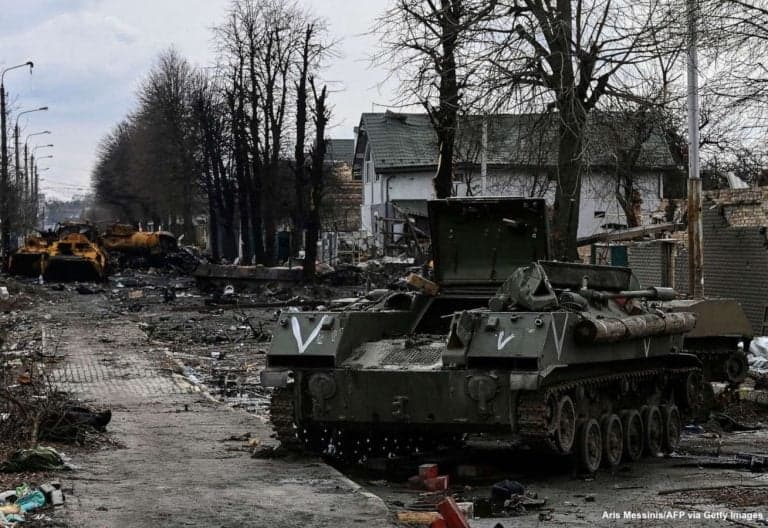
The notifications arrived in Harare in agonizing waves, far removed from the battlefield that claimed them. For fifteen Zimbabwean families, the promise of lucrative logistics work in Eastern Europe ended not in a paycheck, but in the grim confirmation that their sons and husbands had been killed while serving on the frontlines of the Russia-Ukraine war.
This revelation marks a chilling escalation in the targeting of African nationals by sophisticated, transnational trafficking networks. What began as a trickle of anecdotal reports has solidified into a verified tragedy, exposing how economic desperation is being exploited to fuel one of the deadliest conflicts of the 21st century. With 15 citizens confirmed dead, the Zimbabwean government is now facing mounting pressure to dismantle the illicit recruitment pipelines that have successfully funneled young, vulnerable men into active combat zones under the guise of private security and infrastructure labor.
Investigative reports and testimonies from families of the deceased reveal a standardized, predatory methodology. The recruitment networks, which operate primarily through encrypted messaging platforms and covert social media groups, entice candidates with the allure of high-paying jobs in non-combat roles. Promising monthly salaries exceeding 3,000 USD (approximately KES 390,000), these entities offer an escape route for youths grappling with high unemployment rates in Southern Africa.
Upon arrival in Russia or transit hubs, the recruits are typically dispossessed of their travel documents and subjected to immediate, coercive reclassification. The supposed logistics contracts are replaced by military service agreements, often written in languages the recruits do not understand. Families describe a pattern of broken contact, followed by the terrifying realization that their loved ones had been moved to militarized zones near the Ukrainian border. The reality of the frontlines stands in stark contrast to the recruitment brochures, which frequently promise:
None of these assurances materialized for the 15 confirmed victims. Instead, survivors who managed to flee the regions reported being treated as disposable infantry, utilized in high-risk maneuvers without adequate training or equipment. The disconnect between the initial promise of professional security work and the reality of trench warfare is the defining characteristic of this trafficking scheme.
Zimbabwe is far from alone in grappling with this phenomenon. Across the continent, recruitment of African nationals into foreign conflicts has become an increasingly visible, yet poorly regulated, problem. From West Africa to the Horn, trafficking syndicates leverage the same socioeconomic vulnerabilities that drive legal migration to exploit those seeking better economic futures. When local economies stagnate and job markets fail to absorb the burgeoning youth population, the risks posed by illicit foreign recruitment networks become significantly more attractive.
Analysts at international security firms argue that the demand for foreign labor in Russia is a direct consequence of the strain placed on its own manpower reserves by the protracted conflict. By sourcing recruits from the Global South, these networks insulate the Russian domestic populace from the full weight of military mobilization while exploiting the limited international oversight in countries like Zimbabwe. The lack of bilateral agreements on mercenary or foreign military employment leaves the victims of these schemes with almost no legal recourse or diplomatic protection.
The situation in Zimbabwe serves as a sobering mirror for similar patterns observed in Kenya and across East Africa. Nairobi has increasingly become a center of concern regarding the trafficking of youth under the guise of foreign employment. Whether it is bogus recruitment for jobs in the Middle East or fraudulent educational opportunities in Europe, the modus operandi is depressingly consistent: the creation of a false narrative of opportunity that masks the reality of exploitation.
For a Kenyan reader, the Zimbabwean tragedy underscores a crucial lesson in digital literacy and skepticism. The networks operating in Harare utilize the same tactics as those targeting Nairobi`s youth: professional-looking websites, promises of high salaries that far exceed local market rates, and the requirement of substantial upfront fees for travel or visa processing. When a job offer appears too good to be true, it is almost certainly a predatory trap. The international community, including regional bodies like the African Union, is now under pressure to harmonize anti-trafficking laws to prevent such transnational criminal enterprises from continuing to profit from the desperation of African youth.
The Zimbabwean government is now tasked with the delicate challenge of seeking accountability for the deaths of its citizens while navigating complex diplomatic ties with Moscow. The Ministry of Foreign Affairs is reportedly coordinating with international human rights bodies to trace the origins of the recruitment networks, a task hampered by the use of shell companies and digital obfuscation. The families of the deceased are calling for more than just diplomatic notes they are demanding the repatriation of the bodies of the victims and the prosecution of the local facilitators who acted as the primary bridge between the victims and the traffickers.
As the investigation proceeds, the focus is shifting toward the enforcement of strict anti-mercenary legislation. However, law enforcement agencies face a steep climb in gathering evidence against organizations that operate entirely online. The tragedy of the 15 deceased serves as a haunting indicator that the human cost of global conflicts is no longer confined to the borders of the warring nations, but is increasingly being paid by the citizens of distant lands, lured into a fight they did not choose and for causes they do not serve. The silence from the frontlines has finally been broken, but the questions regarding who will be held responsible for the lives lost remain, for now, unanswered.
Keep the conversation in one place—threads here stay linked to the story and in the forums.
Sign in to start a discussion
Start a conversation about this story and keep it linked here.
Other hot threads
E-sports and Gaming Community in Kenya
Active 10 months ago
The Role of Technology in Modern Agriculture (AgriTech)
Active 10 months ago
Popular Recreational Activities Across Counties
Active 10 months ago
Investing in Youth Sports Development Programs
Active 10 months ago



