We're loading the full news article for you. This includes the article content, images, author information, and related articles.
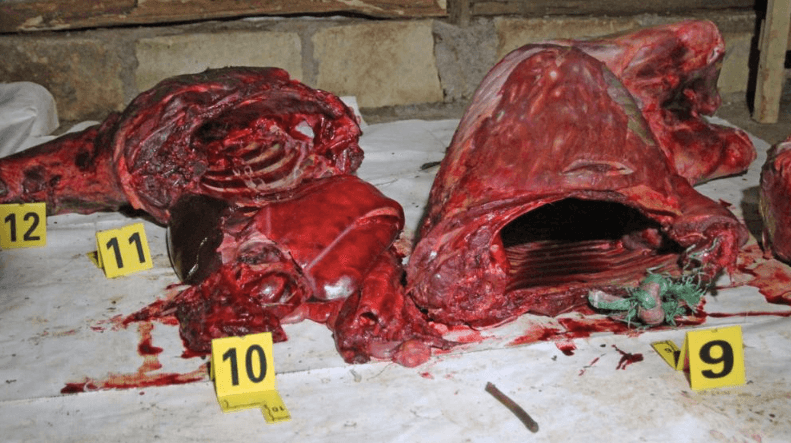
Four suspects have been arrested after officers from the Kenya Wildlife Service (KWS) seized an estimated two tonnes of suspected zebra meat during an intelligence-led operation in Gikambura, Kiambu County.
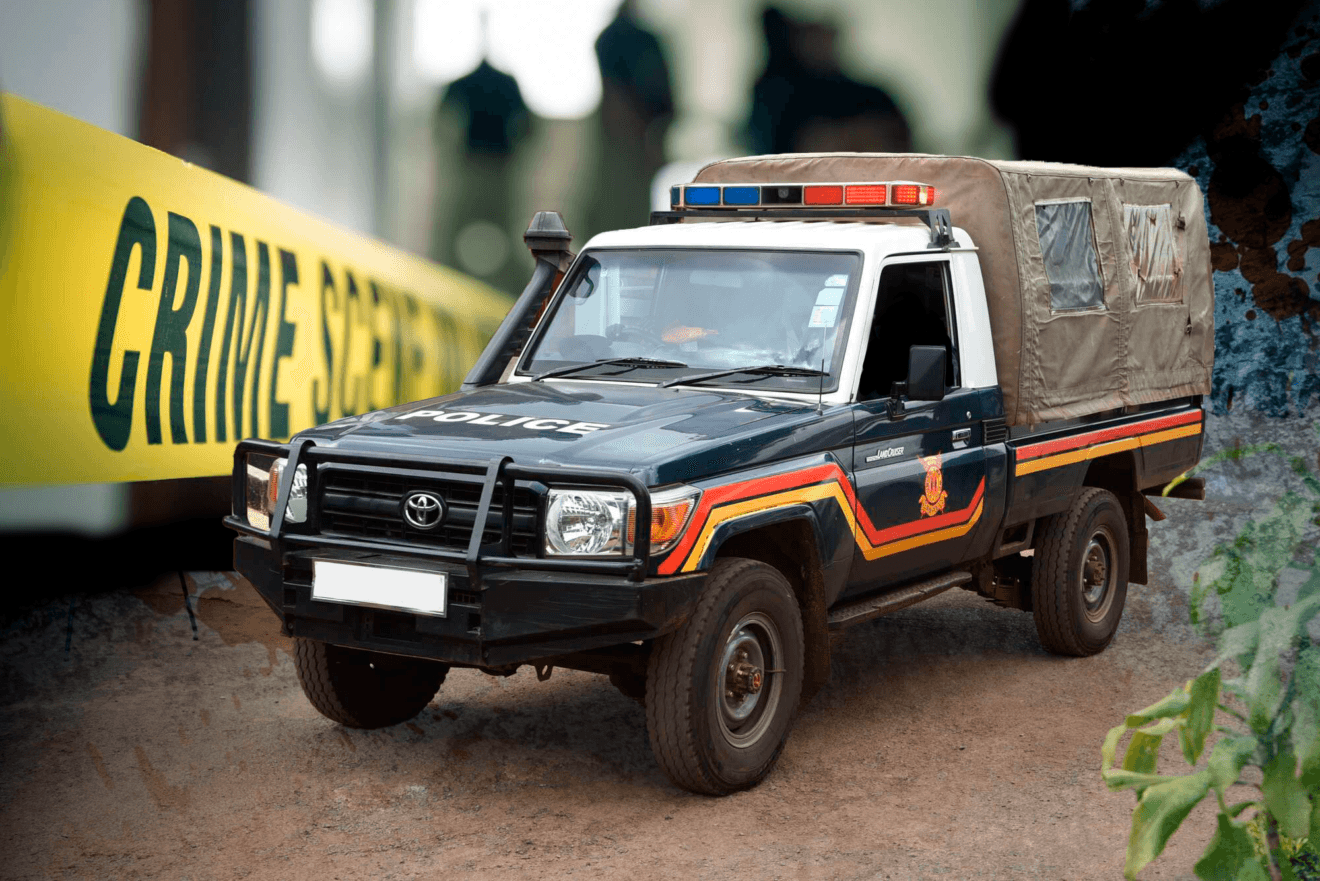
Four suspects have been apprehended in Kiambu County after Kenya Wildlife Service (KWS) officers intercepted two tonnes of suspected zebra meat destined for local eateries.
The intelligence-led operation in Gikambura dismantled a lucrative and dangerous illicit bushmeat syndicate operating in the shadows of Nairobi's bustling meat market.
The commercialization of bushmeat represents a severe dual threat to Kenya: it decimates the nation's irreplaceable wildlife heritage and poses an incalculable public health risk. As economic pressures mount, criminal cartels are increasingly exploiting the lucrative demand for cheap meat. This bust exposes the grim reality that unsuspecting consumers in urban centers may be inadvertently dining on protected species, highlighting a critical breakdown in food safety and conservation enforcement.
Acting on a tip-off, elite KWS rangers descended upon a covert butchery operation in Gikambura. Inside, they discovered a staggering two tonnes of freshly slaughtered meat, which preliminary veterinary analysis identified as zebra. The sheer volume of the contraband suggests a highly organized supply chain stretching from national parks or private conservancies straight into the heart of Kiambu County.
The four individuals arrested were reportedly caught red-handed processing and packaging the meat for distribution. Their target market likely included unsuspecting local butcheries, roadside eateries (nyama choma zones), and even urban households looking for affordable protein. The visual similarity between beef and zebra meat makes it an easy substitution for unscrupulous traders looking to maximize profit margins.
Beyond the devastating blow to Kenya's eco-tourism and conservation efforts, the public health implications of the bushmeat trade are terrifying. Wildlife meat bypasses all statutory health inspections and abattoir protocols. It is a known vector for zoonotic diseases, carrying pathogens that can spark severe disease outbreaks among human populations. The unhygienic conditions of its processing only amplify the risk of bacterial contamination.
The KWS has ramped up its intelligence networks to combat this growing menace. The agency faces a complex war against well-funded poachers who utilize sophisticated methods to harvest game and transport it across county lines undetected.
Environmentalists are calling for maximum punitive measures against the perpetrators to serve as a deterrent. The Wildlife Conservation and Management Act prescribes severe penalties for dealing in bushmeat, yet the trade persists, fueled by poverty and greed.
To definitively eradicate this black market, consumer awareness must be drastically improved. Kenyans must demand traceability and certification from their meat suppliers, refusing to patronize establishments that offer suspiciously cheap meat.
"Protecting our wildlife is not just about tourism; it is about defending the health and integrity of our entire nation from the shadows of illegal trade," a KWS spokesperson asserted following the successful raid.
Keep the conversation in one place—threads here stay linked to the story and in the forums.
Sign in to start a discussion
Start a conversation about this story and keep it linked here.
Other hot threads
E-sports and Gaming Community in Kenya
Active 9 months ago
The Role of Technology in Modern Agriculture (AgriTech)
Active 9 months ago
Popular Recreational Activities Across Counties
Active 9 months ago
Investing in Youth Sports Development Programs
Active 9 months ago