We're loading the full news article for you. This includes the article content, images, author information, and related articles.
Zanzibar's government has launched a definitive crackdown on unregulated tourism developments threatening the architectural and cultural integrity of its historic Stone Town.
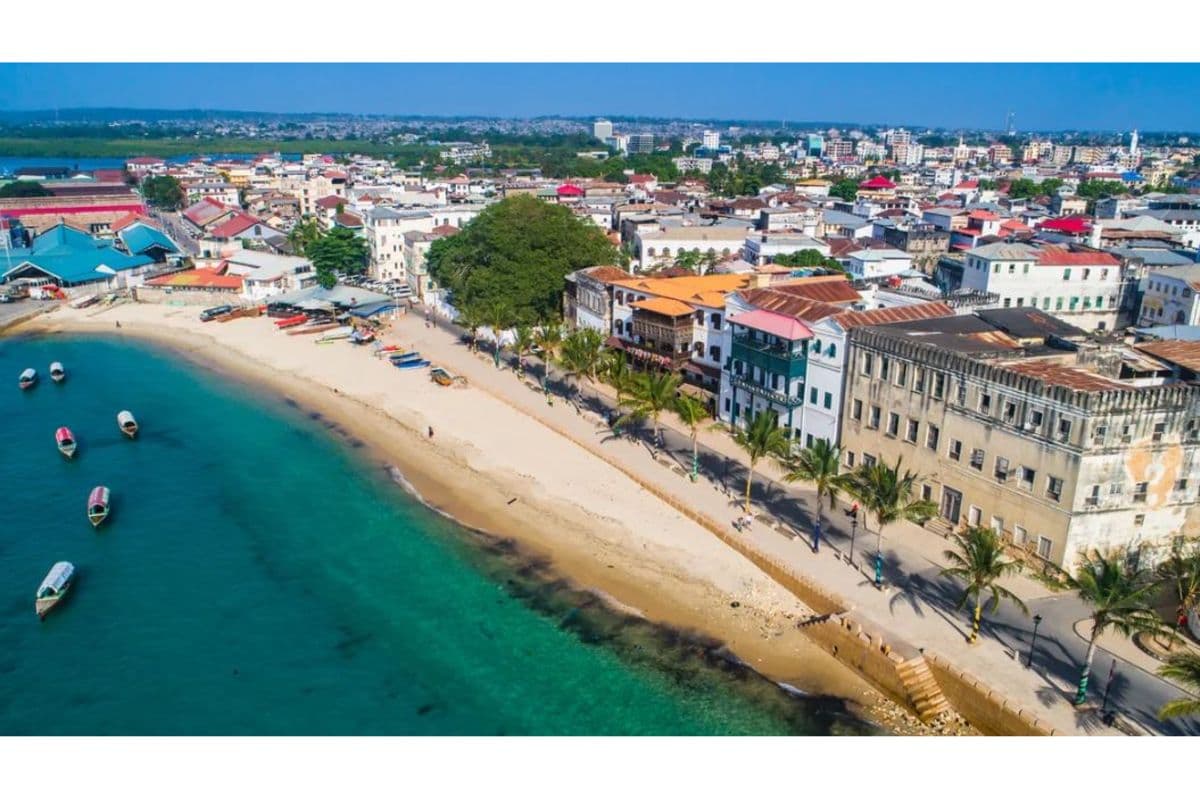
Zanzibar's government has launched a definitive crackdown on unregulated tourism developments threatening the architectural and cultural integrity of its historic Stone Town.
As global travel rebounds, the pristine alleys of Stone Town are facing an existential threat from commercial gentrification. Authorities are now drawing a hard line to preserve the island's soul.
The rapid transformation of residential homes into boutique hotels and cafes has sparked outrage among local lawmakers, prompting the Revolutionary Government of Zanzibar to halt new constructions. This matters now because the very authenticity that draws millions to the East African coast is on the brink of being commodified into oblivion, threatening both local social fabrics and long-term tourism revenues.
Addressing the House of Representatives, the Minister for Communication, Information Technology and Innovation, Mudrick Soraga, made it unequivocally clear that preservation supersedes expansion. Answering concerns raised by representative Jaku Hashim Ayoub, the government outlined a strategy spearheaded by the Stone Town Conservation and Development Authority. The directive is strict: prioritize the restoration of existing structures over the erection of new commercial edifices. Properties owned by the housing corporation and the Waqf and Trust Commission are currently undergoing rigorous rehabilitation.
Unlike previous loosely enforced zoning laws, this new mandate requires that once residential buildings are renovated according to their historical classifications, original occupants must be allowed to return under normal tenancy arrangements. This is a critical move to prevent the complete displacement of traditional Zanzibari families, a phenomenon that has hollowed out other global heritage sites.
One of the most pressing concerns for the local populace has been the overshadowing of centuries-old mosques and madrasas by towering luxury hotels. Lawmakers feared that the spiritual and communal lifeblood of Stone Town was being marginalized. In a decisive response, the government has officially granted protected heritage status to mosques within the district.
These measures aim to ensure that the call to prayer remains as prominent as the influx of foreign capital, maintaining a delicate balance that respects the local Islamic heritage while welcoming global visitors.
The economic stakes are monumental. Tourism is the lifeblood of Zanzibar's economy, yet unchecked growth risks killing the golden goose. By formalizing digital trade and linking 142 hotels to a centralized digital tax system, the Zanzibar Revenue Authority has already collected over $13.8m (approx. KES 1.8bn) in Skill Development Levies. This revenue is being aggressively channeled back into infrastructure and preservation.
For the broader East African region, Zanzibar's legislative pivot serves as a crucial case study. Coastal cities like Mombasa and Lamu face similar pressures from foreign real estate investments. If Zanzibar successfully navigates this regulatory tightrope, it could establish a blueprint for sustainable heritage tourism across the Swahili coast, proving that economic modernization does not require the sacrifice of cultural identity.
As the island recalibrates its tourism strategy, the message to investors is clear: Zanzibar's history is not simply a backdrop for luxury, but a living, breathing community that demands absolute respect.
Keep the conversation in one place—threads here stay linked to the story and in the forums.
Sign in to start a discussion
Start a conversation about this story and keep it linked here.
Other hot threads
E-sports and Gaming Community in Kenya
Active 9 months ago
The Role of Technology in Modern Agriculture (AgriTech)
Active 9 months ago
Popular Recreational Activities Across Counties
Active 9 months ago
Investing in Youth Sports Development Programs
Active 9 months ago