We're loading the full news article for you. This includes the article content, images, author information, and related articles.
Women with disabilities persevere for political recognition and representation, confronting severe stigma and systemic barriers.
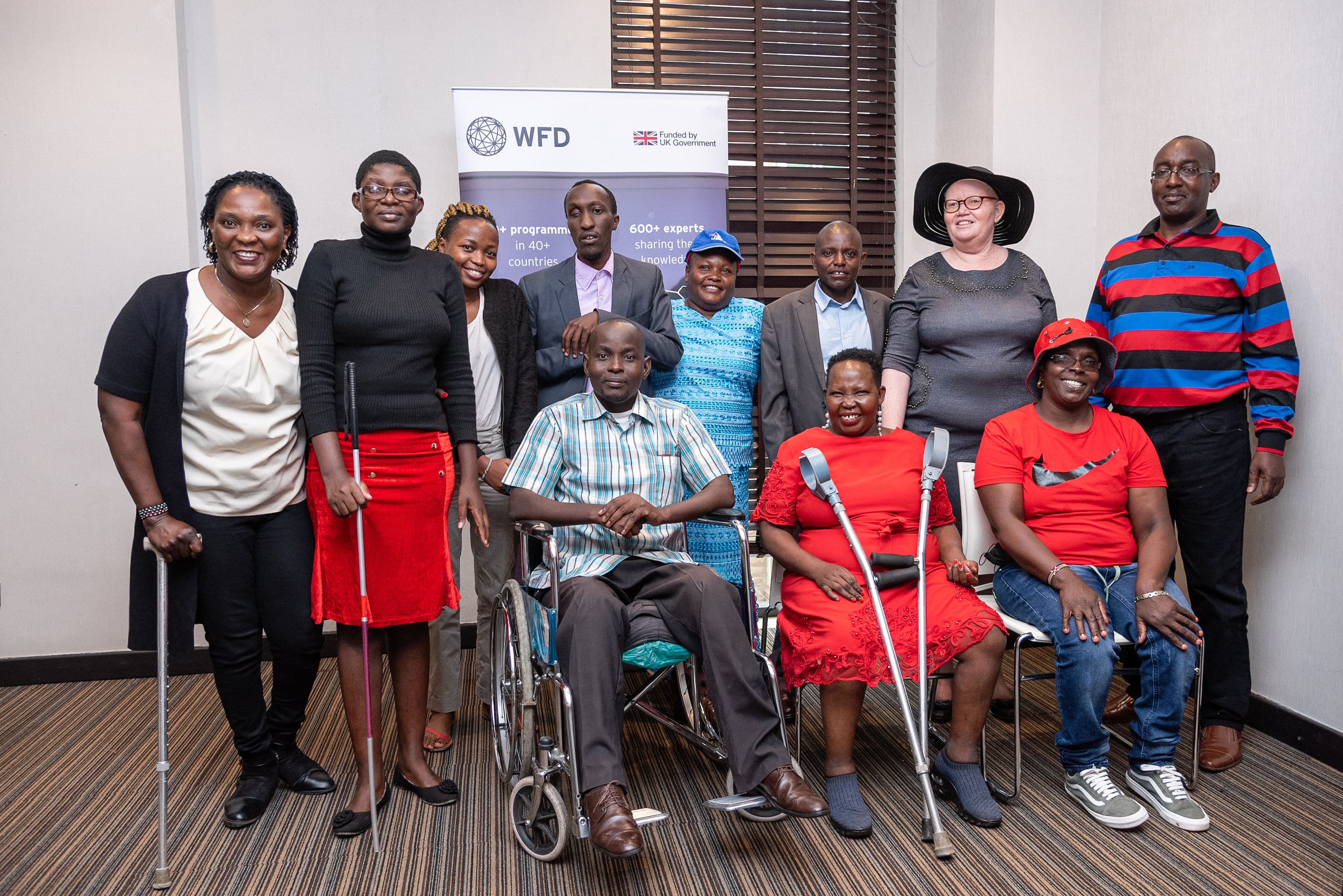
Women with disabilities persevere for political recognition and representation, confronting severe stigma and systemic barriers amid Kenya's increasingly combative and male-dominated political arena.
The treacherous landscape of Kenyan politics has long been viewed as a gladiator's arena, deeply entrenched in patriarchy and financial muscle. However, for women living with disabilities, the barriers to entry are exponentially higher, forcing them to navigate a hostile environment armed with nothing but raw resilience.
As the nation looks toward the 2027 general elections, the vulnerability of this demographic exposes the gaping flaws in Kenya's democratic architecture. Despite constitutional provisions demanding inclusion, the reality on the ground is a stark narrative of marginalization and systemic erasure.
Women with disabilities face a "double penalty" in the political sphere: gender discrimination compounded by ableism. Political campaigns in Kenya are notoriously physical, characterized by rowdy rallies, extensive logistical demands, and occasionally, violence. For a candidate with a mobility or sensory impairment, the physical infrastructure of political engagement is practically inaccessible.
The structural impediments are daunting. Political parties rarely provide the necessary accommodations, such as sign language interpreters or wheelchair-accessible campaign vehicles. Furthermore, the financial barrier is insurmountable for many, leading to chronic underrepresentation:
Article 54 of the Kenyan Constitution guarantees persons with disabilities the right to be treated with dignity and to be represented in public and political spheres. Yet, the implementation of the two-thirds gender rule and disability quotas remains a mirage. Nominations to county assemblies and the national parliament are frequently hijacked by political elites, bypassing genuine grassroots advocates.
Civil society organizations and human rights defenders are amplifying the demand for a level playing field. Electoral bodies must enforce strict compliance with inclusivity quotas. "Our democracy is incomplete as long as the voices of disabled women are silenced by a system designed to exclude them," an activist stated, highlighting the urgent need for a paradigm shift.
Keep the conversation in one place—threads here stay linked to the story and in the forums.
Sign in to start a discussion
Start a conversation about this story and keep it linked here.
Other hot threads
E-sports and Gaming Community in Kenya
Active 9 months ago
The Role of Technology in Modern Agriculture (AgriTech)
Active 9 months ago
Popular Recreational Activities Across Counties
Active 9 months ago
Investing in Youth Sports Development Programs
Active 9 months ago