We're loading the full news article for you. This includes the article content, images, author information, and related articles.
A bold shift on Kenya's roads as women embrace high-end superbikes, shattering long-held masculine stereotypes and investing millions in two-wheeled freedom.
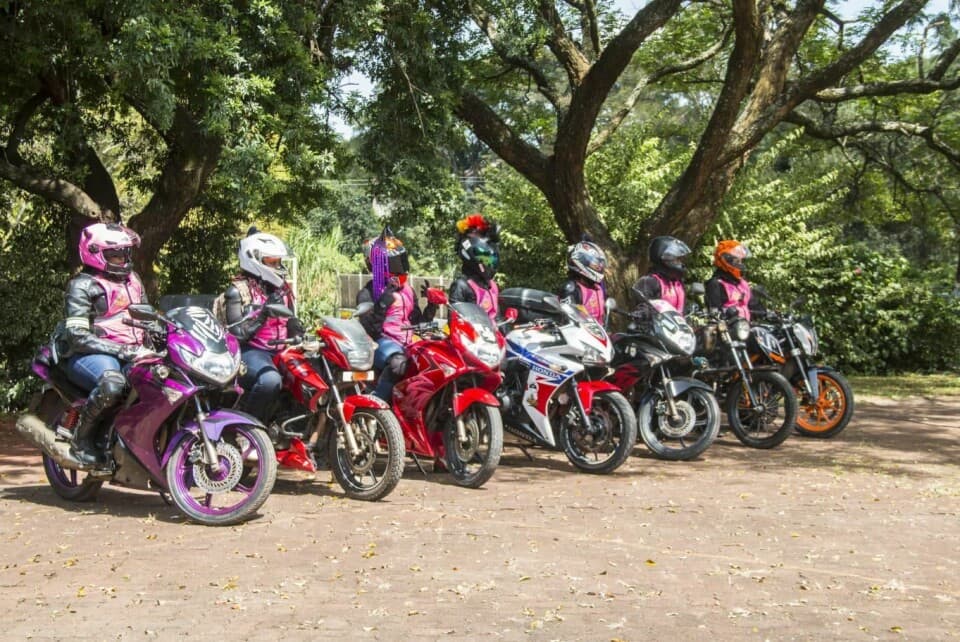
A silent revolution is roaring across Kenya's highways as women increasingly embrace high-performance superbikes, shattering long-held masculine stereotypes and investing millions in their two-wheeled pursuit of freedom.
The deafening growl of a 1,000cc engine tearing down the Nairobi Expressway is no longer an exclusively male phenomenon. Women are aggressively claiming their space on the tarmac, redefining urban mobility.
For decades, the superbike culture in East Africa was inextricably linked to toxic masculinity, danger, and a highly exclusive boy's club. Today, that narrative is completely obsolete. Driven by a thirst for adrenaline, financial independence, and a fierce desire to defy societal expectations, Kenyan women are fundamentally altering the demographics of the motoring landscape. This matters now because it signals a broader socio-economic shift; women possess unprecedented disposable income and are unapologetically deploying it to challenge traditional gender roles.
Acquiring and maintaining a performance motorcycle is a significant capital expenditure, yet female riders are not deterred by the prohibitive costs. Industry insiders report a sharp, sustained uptick in female clientele at premium dealerships across the capital. The financial commitment required is substantial, serving as a bold emblem of professional success and self-determination in a challenging economic climate.
Lucy Ndirangu, a prominent fitness instructor and owner of a Taro GP1, encapsulates the sentiment perfectly. She notes that a woman on a superbike will always command attention and respect. In Nairobi's notorious traffic, she often finds motorists willingly giving way—a courtesy rarely extended to male riders.
This movement is highly organized. Formal riding sororities such as the Inked Sisterhood, Throttle Queens, Piki Dada, and the Women Bikers' Association Kenya have emerged as powerful networking hubs. These groups focus heavily on road safety, advanced rider training, and community outreach.
As the demographic expands, national traffic authorities face an evolving challenge. The National Transport and Safety Authority (NTSA) must continually adapt its frameworks. However, data suggests female riders are statistically far more risk-averse and compliant with safety protocols than their male counterparts. They invest heavily in protective gear, raising the standard for motorcycle safety across the board.
"We are rewriting the unwritten rules of the road with every single twist of the throttle, and we have no intention of slowing down."
Keep the conversation in one place—threads here stay linked to the story and in the forums.
Sign in to start a discussion
Start a conversation about this story and keep it linked here.
Other hot threads
E-sports and Gaming Community in Kenya
Active 9 months ago
The Role of Technology in Modern Agriculture (AgriTech)
Active 9 months ago
Popular Recreational Activities Across Counties
Active 9 months ago
Investing in Youth Sports Development Programs
Active 9 months ago