We're loading the full news article for you. This includes the article content, images, author information, and related articles.
Wolverhampton Wanderers strongly denounce abhorrent racist social media abuse directed at Nigerian forward Tolu Arokodare following a crucial Premier League defeat.

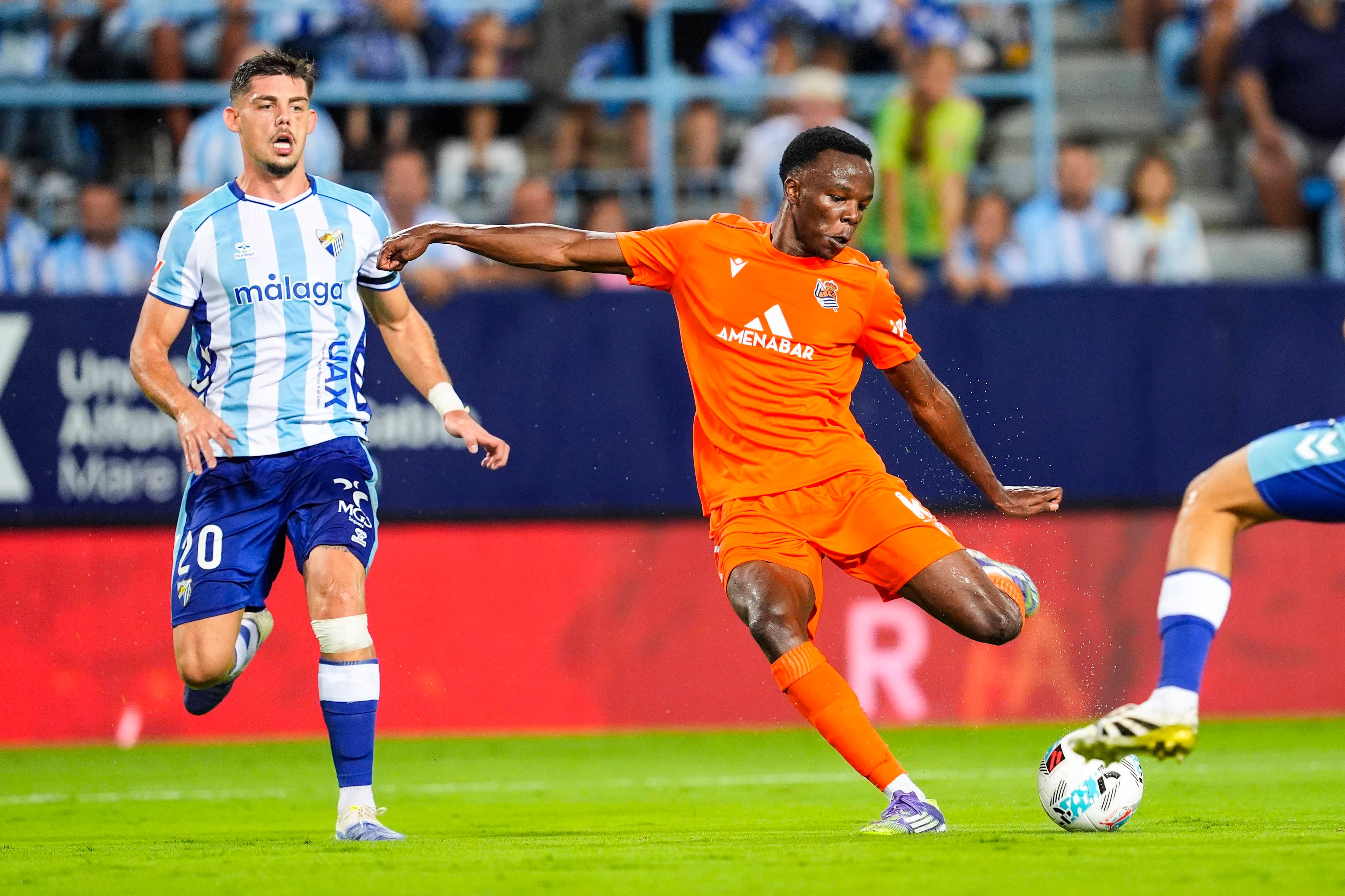
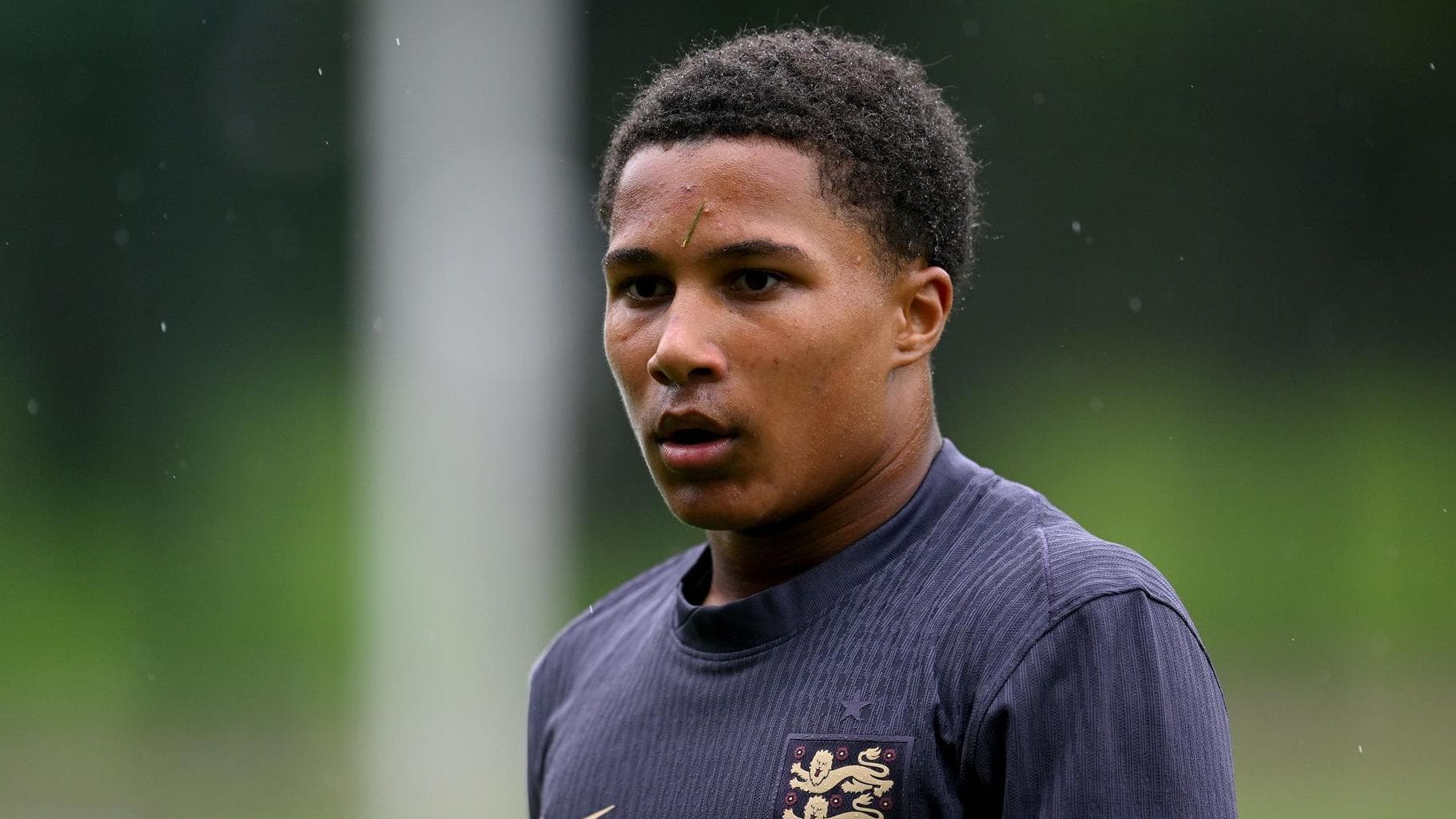
The intense English Premier League fixture between Wolverhampton Wanderers and Crystal Palace has been darkly overshadowed by a deeply disturbing incident of racial vilification directed at Nigerian international striker Tolu Arokodare. Following a narrow and fiercely contested 1-0 defeat at Selhurst Park, the twenty-five-year-old forward found himself at the epicenter of a vile digital storm.
In an era where global football authorities continually preach inclusivity and equality, this blatant display of bigotry serves as a grim reminder of the enduring rot of racism within the sport. For millions of devoted football fans across East Africa, a region that passionately consumes Premier League action, this incident strikes a deeply painful chord, highlighting the severe psychological toll extracted from African athletes performing on the world stage.
The catalyst for the torrent of abuse occurred late in the first half of the match. Arokodare, who had been heavily involved in the attacking build-up, was brought down inside the penalty area, earning a crucial spot-kick for his struggling team. However, his subsequent effort was comfortably saved by Crystal Palace goalkeeper Dean Henderson. The missed opportunity proved exceptionally costly as Wolves ultimately conceded a late ninetieth-minute goal to substitute Evann Guessand, sealing their twentieth league defeat of a disastrous season.
Immediately following the final whistle, despite Arokodare's visible contrition and apologies to the traveling supporters, anonymous perpetrators unleashed a barrage of targeted hatred across multiple social media platforms. The messages, primarily centralized on Instagram, included vile racial slurs, highly offensive monkey emojis, the N-word, and an array of unprintable profanities. The swift and coordinated nature of the abuse highlights a systemic failure by digital platforms to protect high-profile public figures from coordinated harassment campaigns.
Wolverhampton Wanderers reacted with immediate and unequivocal fury, issuing a strongly worded official statement condemning the discriminatory comments. The club openly declared its absolute disgust at the numerous instances of racist abuse generated by multiple perpetrators. Reaffirming their unwavering support for the Nigerian forward, the club emphasized that no individual should ever be subjected to such deeply ingrained hatred simply for executing their professional duties on the pitch.
The club's management has proactively reported the offending posts to the relevant social media platforms, local law enforcement authorities, and the Premier League governing body. They have pledged full cooperation in identifying the culprits to ensure appropriate and severe legal action is swiftly taken, reinforcing a strict zero-tolerance approach towards all manifestations of discrimination.
The distressing abuse directed at Arokodare is tragically not an isolated anomaly. It constitutes the third high-profile instance of severe online racism aimed at Premier League footballers within a mere twenty-four-hour window. Over the same weekend, Chelsea defender Wesley Fofana and Burnley midfielder Hannibal Mejbri were subjected to similarly horrific discriminatory attacks following a separate fixture. This alarming spike in racially motivated hostility exposes a terrifying trend of emboldened bigotry permeating online football communities.
The player himself utilized his digital platforms to publicly address the racism, expressing profound disbelief at the alarming freedom with which individuals can disseminate such hatred without facing immediate consequences. He issued a poignant collective call to action, demanding that severe punitive measures be enacted against anyone who deliberately taints the integrity of the sport.
For African footballers navigating the intense pressures of top-flight European leagues, these incidents represent an unwarranted and massive psychological burden. The continuous exposure to digital vitriol significantly impacts player welfare and mental health.
As investigations proceed, the footballing world must transition from offering mere statements of solidarity to enacting concrete, uncompromising digital legislation, ensuring that the beautiful game remains a sanctuary of respect rather than a breeding ground for prejudice.
Keep the conversation in one place—threads here stay linked to the story and in the forums.
Sign in to start a discussion
Start a conversation about this story and keep it linked here.
Other hot threads
E-sports and Gaming Community in Kenya
Active 9 months ago
The Role of Technology in Modern Agriculture (AgriTech)
Active 9 months ago
Popular Recreational Activities Across Counties
Active 9 months ago
Investing in Youth Sports Development Programs
Active 9 months ago