We're loading the full news article for you. This includes the article content, images, author information, and related articles.
Governor Godhana has reportedly declined to occupy the official seat, choosing instead to operate from his private residence.
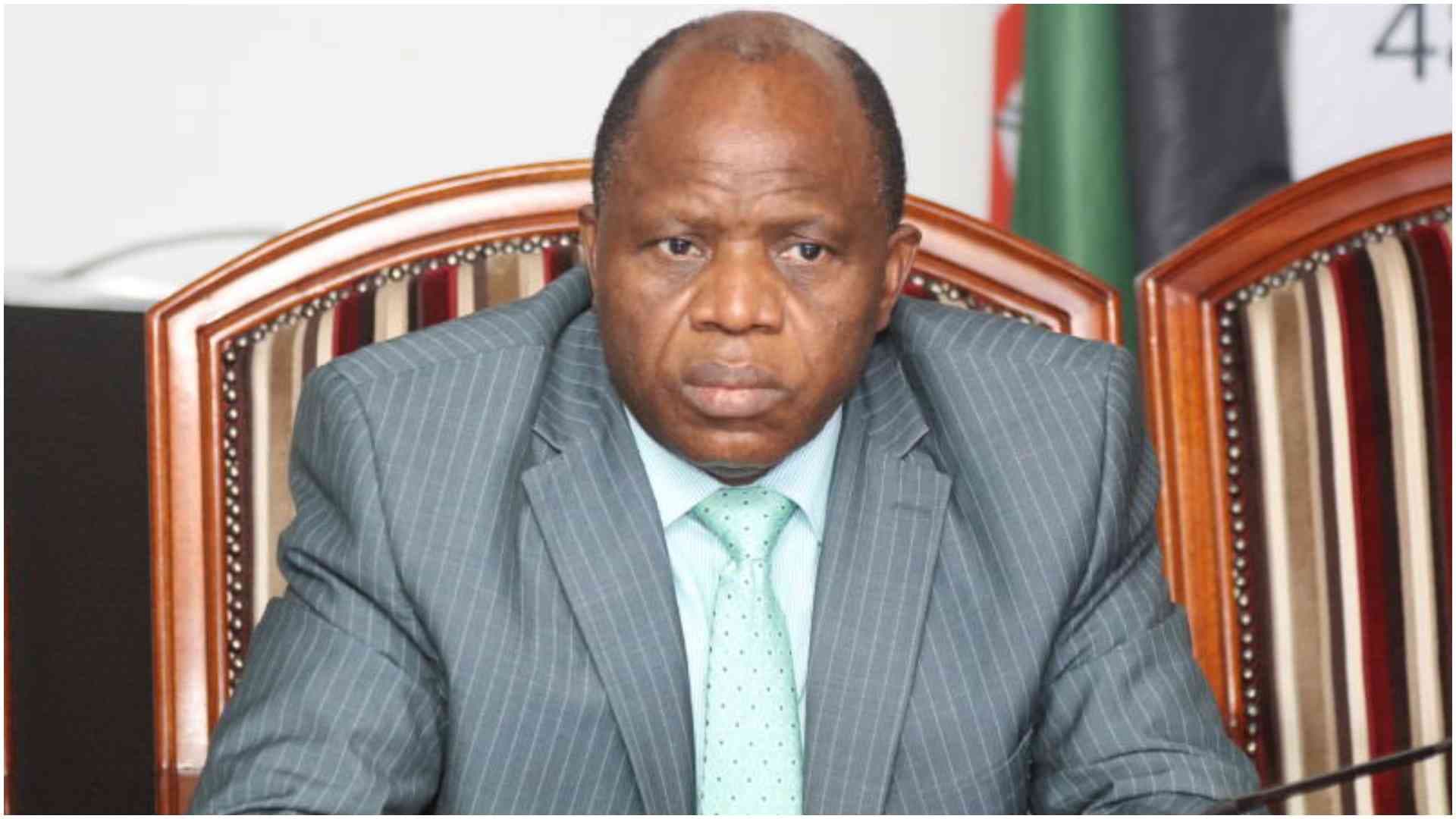
In a bizarre twist of administrative paralysis, Tana River Governor Dhadho Godhana has flatly refused to occupy his official county headquarters for eight years, allegedly driven by deep-seated fears of powerful witchcraft.
The sprawling county office complex, located in the heart of Hola town, stands eerily deserted. Instead of governing from the designated seat of power, Governor Godhana has chosen to operate entirely from his private residence in Makutano, situated roughly eight kilometres away from the official administrative hub.
This unprecedented situation highlights the profound intersection of modern governance and entrenched traditional beliefs. The abandonment of the official office not only raises serious questions about the efficient delivery of public services but also casts a long, controversial shadow over the political leadership of the coastal county.
The official governor's office in Hola was constructed at a significant cost to the taxpayer, designed to be the bustling epicentre of Tana River's devolution journey. Today, it serves as a silent monument to superstition. The corridors meant to host high-level executive meetings and streamline bureaucratic processes remain entirely devoid of executive presence, gathering dust while the county's political machinery operates remotely.
Sources close to the administration suggest that the fear is not merely abstract. Reports have circulated regarding strange occurrences and the discovery of suspicious paraphernalia within the office precincts shortly after the governor's initial election victory. These terrifying discoveries allegedly convinced the county boss that political rivals had employed dark arts to curse the premises, making it a lethal environment for him to occupy.
The decision to relocate operations to a private residence in Makutano has created a logistical nightmare for ordinary citizens seeking government services. The eight-kilometre commute is a significant barrier for many residents, particularly those relying on public transport or travelling from the more remote corners of the vast, sparsely populated county.
To dismiss this situation as mere eccentricity is to misunderstand the deep cultural fabric of the region. In many parts of coastal Kenya, belief in witchcraft, curses, and dark magic remains a potent societal force. Political battles are frequently fought not just at the ballot box, but in the spiritual realm, where candidates consult traditional healers and spiritualists for protection and dominance.
Governor Godhana's actions, while highly unorthodox for a modern executive, resonate with a populace that intrinsically understands the terrifying implications of spiritual warfare. However, critics argue that a leader sworn to uphold the constitution must base administrative decisions on logic and public interest, rather than succumbing to fear-induced paralysis driven by unseen forces.
The decentralisation of the governor's office has inevitably led to severe administrative friction. Departmental heads and senior civil servants are forced to shuttle constantly between Hola and Makutano for crucial signatures, briefings, and strategic planning sessions. This constant movement wastes valuable time, consumes unnecessary public fuel resources, and slows down the critical machinery of county government.
Furthermore, operating from a private residence blurs the vital line between public property and personal space. The lack of formal office infrastructure—such as secure registry systems, dedicated meeting halls, and proper public reception areas—diminishes the dignity and official capacity of the gubernatorial office. It creates an environment prone to informal, opaque decision-making processes.
Accountability watchdogs have repeatedly raised red flags regarding the legality and financial implications of this arrangement. The auditor general's office is likely to scrutinise the funds expended on maintaining security and administrative operations at a private residence while the official government buildings sit idle and slowly deteriorate due to lack of use.
As the 2027 election cycle slowly approaches, the "bewitched office" saga provides potent ammunition for Governor Godhana's political detractors. Opposition figures are using the narrative to paint the administration as superstitious, cowardly, and fundamentally disconnected from the pressing developmental needs of Tana River's population.
The challenge for the incumbent will be to demonstrate that despite his physical absence from the Hola headquarters, his administration has successfully delivered on its core developmental mandates. If the electorate perceives that the fear of witchcraft has genuinely compromised service delivery, it could prove politically fatal at the polls.
"Governance requires courage; if a leader flees his own office, how can he be expected to confront the massive developmental challenges facing our county?" challenged a prominent local civil society leader.
Keep the conversation in one place—threads here stay linked to the story and in the forums.
Sign in to start a discussion
Start a conversation about this story and keep it linked here.
Other hot threads
E-sports and Gaming Community in Kenya
Active 9 months ago
The Role of Technology in Modern Agriculture (AgriTech)
Active 9 months ago
Popular Recreational Activities Across Counties
Active 9 months ago
Investing in Youth Sports Development Programs
Active 9 months ago