We're loading the full news article for you. This includes the article content, images, author information, and related articles.
Internal fissures within the ODM are widening as the contentious 10-point agenda creates a polarized battleground between party factions.
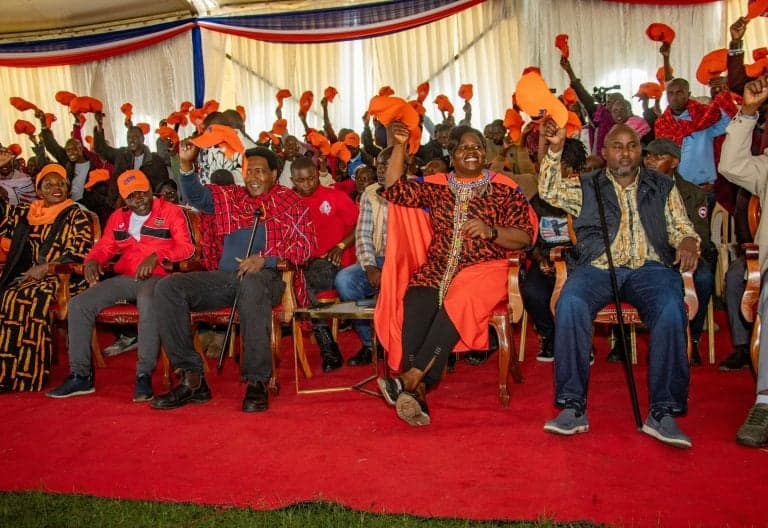
The political truce that once defined the relationship between the Orange Democratic Movement (ODM) and the ruling United Democratic Alliance (UDA) is fraying, with the controversial "10-point agenda" emerging as the primary catalyst for internal discord within the opposition.
What was initially conceptualized as a constructive framework for national dialogue has transformed into a contentious battlefield. The ODM, historically Kenya's most mobilized opposition outfit, is now finding itself divided not by ideology, but by the interpretation of a political agreement. As the March 7, 2026 deadline for the review of this agenda has passed without a clear, universally accepted consensus, the party is grappling with a leadership crisis that pits pragmatic cooperation against rigid adherence to opposition principles.
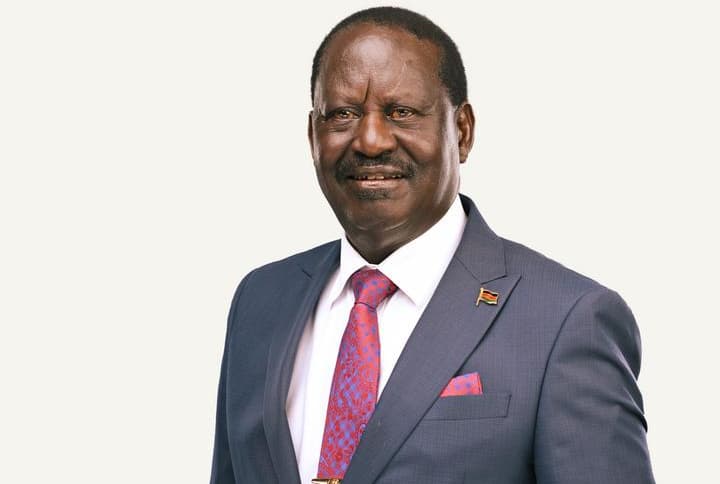
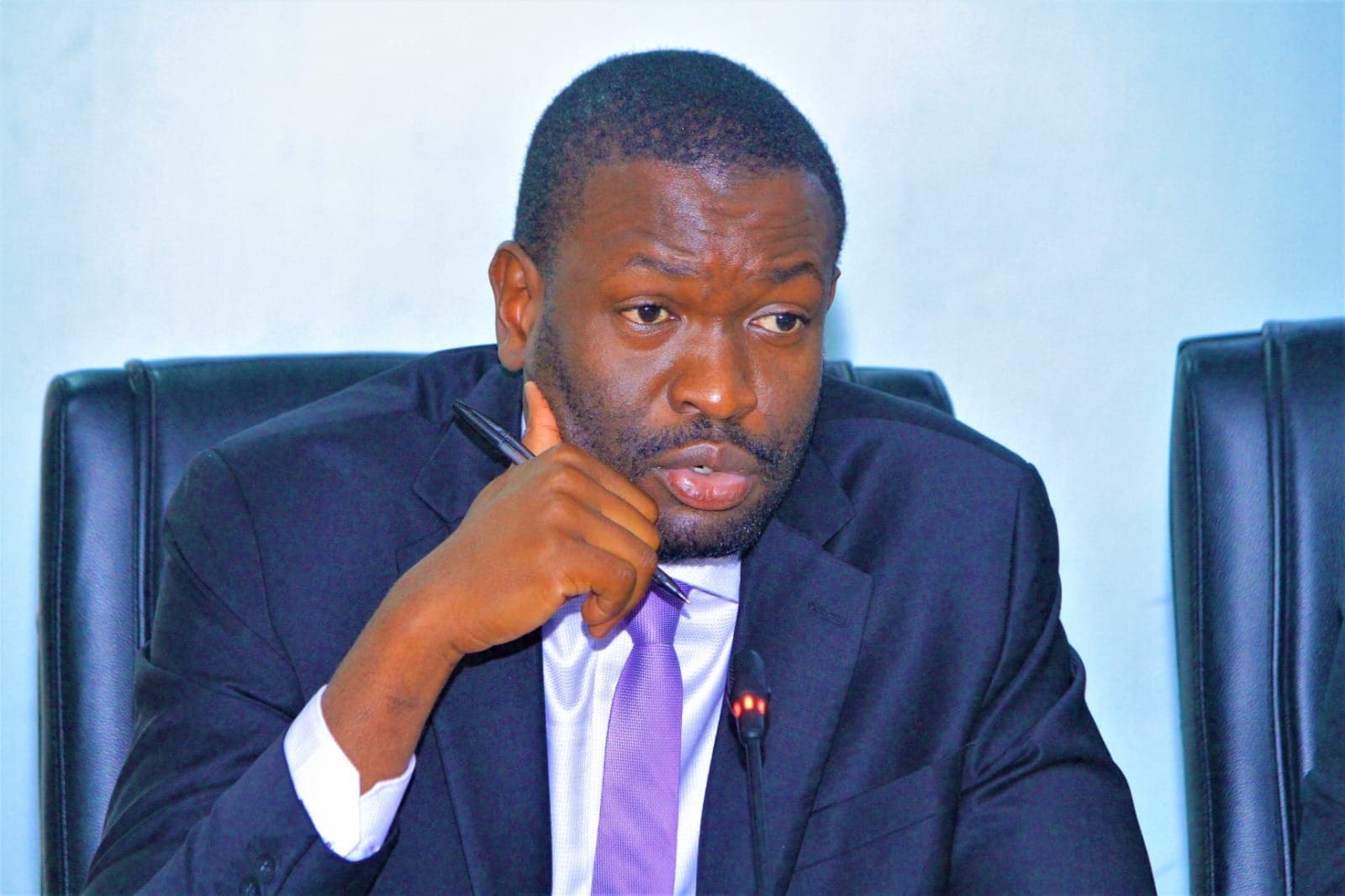
The 10-point agenda, signed in March 2025 by President William Ruto and the late Raila Odinga, was intended to address systemic issues, including devolution, youth empowerment, and economic reform. However, in the absence of the late party leader, the framework has become a symbol of the struggle for the soul of the party. Senator Edwin Sifuna, a prominent voice within the ODM leadership, has taken a hardline stance, arguing that the agreement was never intended to be an open-ended lifeline for the government. He has publicly demanded accountability, warning that the failure to deliver a tangible report is a betrayal of the party's mandate.
Conversely, other party officials, including Chairperson Gladys Wanga, have attempted to reframe the agenda as a continuous, organic process that cannot be confined by arbitrary timelines. This conflict reflects a deeper, structural anxiety: is the ODM an opposition party, or a partner in governance?
The disagreement has laid bare the fissures within ODM. The two prevailing narratives can be summarized as follows:
The urgency of this debate is not merely about policy; it is about electoral positioning. The ODM leadership is under intense pressure to demonstrate relevance. For many party supporters, the "10-point agenda" is viewed through the lens of cost-of-living concerns and government accountability. If the party is seen as an appendage of the UDA, it risks losing the credibility required to lead a national movement. This internal battle is, therefore, a preview of the upcoming scramble for control of the party’s strategy in the lead-up to the next general election.
The planned joint parliamentary group meeting between ODM and UDA is the next critical juncture. It will test whether the party can bridge its internal divide or if the 10-point agenda will become the wedge that permanently separates its factions. As analysts have noted, the party stands at a crossroads where the cost of unity might be the sacrifice of its ideological independence, while the cost of division could be political irrelevance.
Ultimately, the saga of the 10-point agenda highlights a wider trend in Kenyan politics: the transition from charismatic, personality-led politics to institutional, party-based maneuvering. Whether the ODM survives this internal skirmish as a cohesive unit will depend on its ability to define a clear, independent path forward that transcends the agreements of the past.
Keep the conversation in one place—threads here stay linked to the story and in the forums.
Sign in to start a discussion
Start a conversation about this story and keep it linked here.
Other hot threads
E-sports and Gaming Community in Kenya
Active 9 months ago
The Role of Technology in Modern Agriculture (AgriTech)
Active 9 months ago
Popular Recreational Activities Across Counties
Active 9 months ago
Investing in Youth Sports Development Programs
Active 9 months ago
Key figures and persons of interest featured in this article