We're loading the full news article for you. This includes the article content, images, author information, and related articles.
As political temperatures rise ahead of the 2027 general election, historical voting patterns suggest that infrastructure milestones and economic pledges will once again take a backseat to deeply entrenched identity politics and regional coalition-building.
A newly rehabilitated railway line snakes through Central Kenya, promising cheaper transport and revitalised trade. Yet, the politicians who championed it will likely face hostile constituents demanding to know what they have actually delivered.
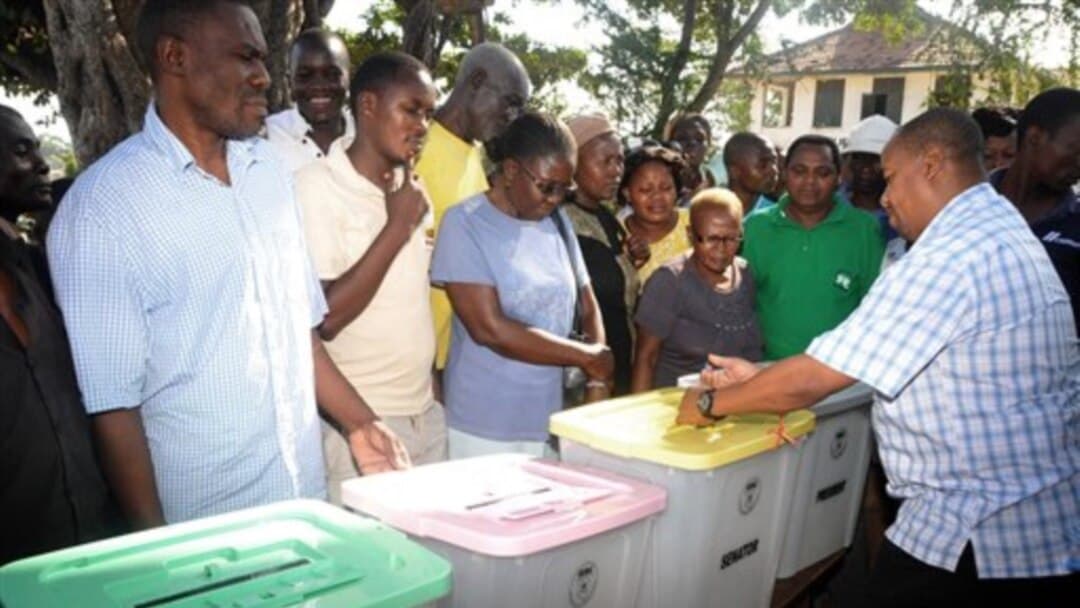
This paradox defines Kenyan electoral behaviour. Despite widespread acknowledgement that inclusive economic prosperity is the nation's greatest priority, voters consistently revert to an "us versus them" mentality at the ballot box, rendering pure development metrics practically irrelevant for re-election.
In the fiercely contested arena of Kenyan politics, the term "development" is wielded as both a weapon and a shield. Incumbents tirelessly point to newly tarmacked roads, rural electrification projects, and modernized healthcare facilities as incontrovertible proof of their effective governance. However, as veteran political analyst Muga argues, these tangible achievements rarely translate into guaranteed voter loyalty.
The root of this disconnect lies in the systemic limitations of the Kenyan economy. Despite pockets of rapid growth and ambitious infrastructure spending, the national economy has never expanded at a velocity sufficient to generate universal economic opportunity. Consequently, a sitting president or governor inevitably concludes their term facing mass youth unemployment and widespread disillusionment.
When the macro-economy fails to elevate the average citizen out of poverty, highly visible public works projects—like the revival of the Nairobi-Nanyuki railway or the construction of affordable housing units—are often dismissed by the electorate as public relations exercises that do little to alter their daily economic reality.
Faced with a skeptical public, political survival dictates a strategic pivot from policy-based campaigning to ethnic mobilization. Elections in Kenya frequently devolve into exercises in regional coalition building, heavily reliant on the arithmetic of the nation's largest ethnic blocs. Voters, acting on historical precedent and deeply ingrained fears of marginalization, organize defensively.
This dynamic creates a scenario where a politician can possess an exemplary track record of service delivery, yet still be mercilessly rejected at the polls if they fall on the wrong side of a prevailing tribal alliance. The "us versus them" dichotomy provides a psychological safety net for voters, who view state resources not as national assets to be distributed equitably, but as a pie to be captured and protected by their specific community.
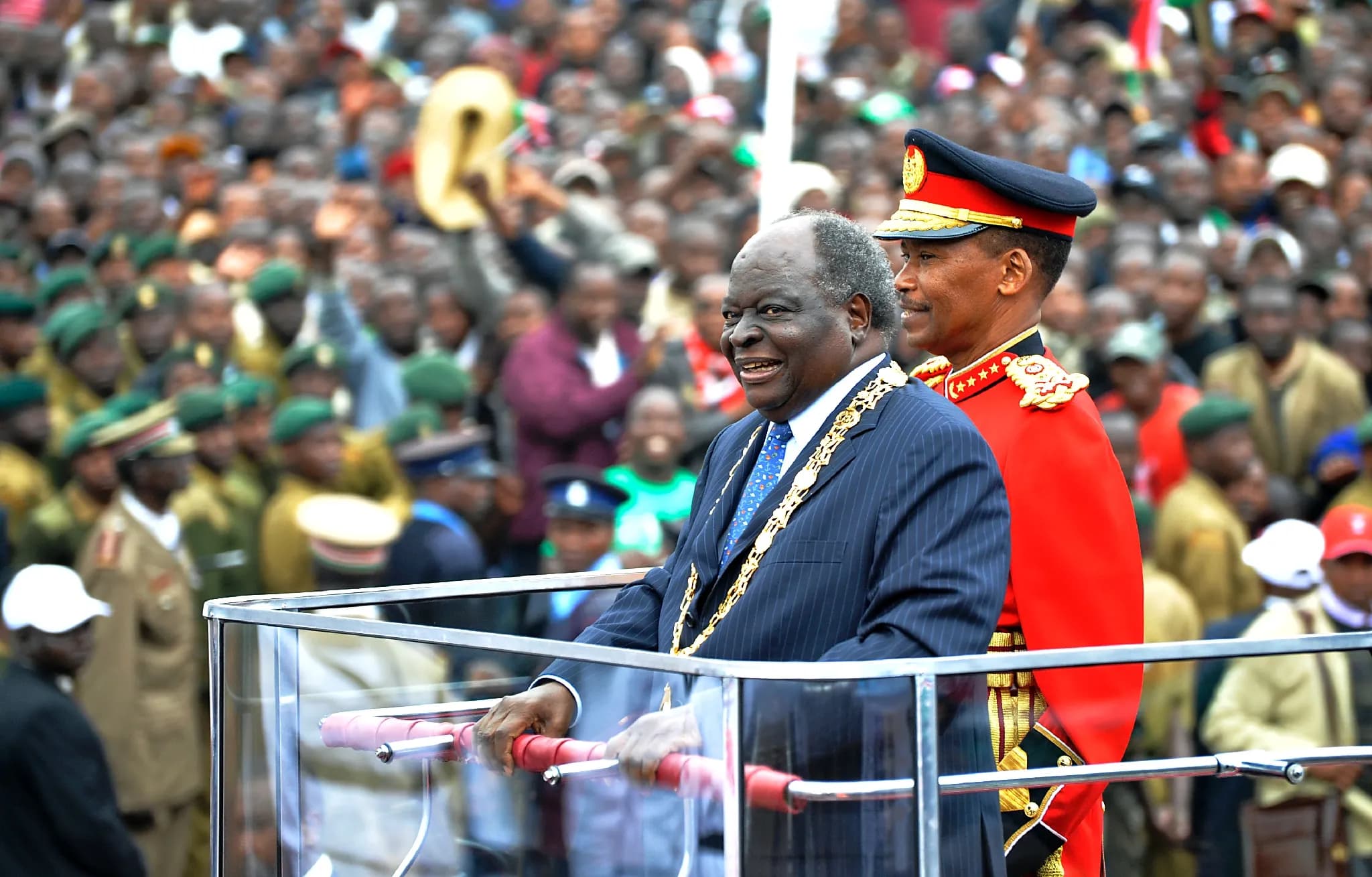
A review of Kenya's multiparty era starkly illustrates the fragility of the incumbency advantage. President Daniel arap Moi secured re-election in 1997 with a mere 40 percent of the popular vote, a victory heavily subsidized by a fractured opposition rather than overwhelming popular endorsement. Similarly, the 2007 election saw President Mwai Kibaki, despite overseeing a period of robust economic recovery, locked in a violently disputed contest that brought the nation to the brink of collapse.
More recently, the tenure of President Uhuru Kenyatta demonstrated that even massive, legacy-defining infrastructure projects like the Standard Gauge Railway could not insulate the executive from severe regional backlash. These leaders unleashed the full apparatus of the state and engaged in unrestrained populism, yet barely managed to maintain their grip on power.
The serving executive faces a Sisyphean task. They must retain the coalition that catapulted them into power while simultaneously courting hostile regions—a nearly impossible balancing act in an environment where alliances shift with the political wind.
The persistence of ethnic voting is not an indicator of irrationality, but a calculated response to perceived inequalities. Until national institutions can guarantee equitable resource distribution irrespective of which community occupies the State House, tribal arithmetic will continue to dominate the political calculus.
However, the shifting demographics of Kenya's electorate offer a glimmer of hope. A burgeoning youth population, driven by urbanization and digital connectivity, is beginning to demand issue-based politics. For true democratic maturation, the electorate must collectively redefine what constitutes meaningful "development," moving beyond localized patronage to demand comprehensive, structural economic reform.
“We are yet to see a country where people vote along policy lines rather than tribal bias; until we prioritize economic ideology over ethnic identity, true development will remain an elusive promise,” an observer noted, challenging the electorate ahead of the upcoming polls.
Keep the conversation in one place—threads here stay linked to the story and in the forums.
Sign in to start a discussion
Start a conversation about this story and keep it linked here.
Other hot threads
E-sports and Gaming Community in Kenya
Active 9 months ago
The Role of Technology in Modern Agriculture (AgriTech)
Active 9 months ago
Popular Recreational Activities Across Counties
Active 9 months ago
Investing in Youth Sports Development Programs
Active 9 months ago
Key figures and persons of interest featured in this article