We're loading the full news article for you. This includes the article content, images, author information, and related articles.
Kenya has the laws to end FGM, but lacks the ruthless enforcement and economic investment needed to crush the evolving, medicalized, and cross-border nature of this deep-seated cultural violation.
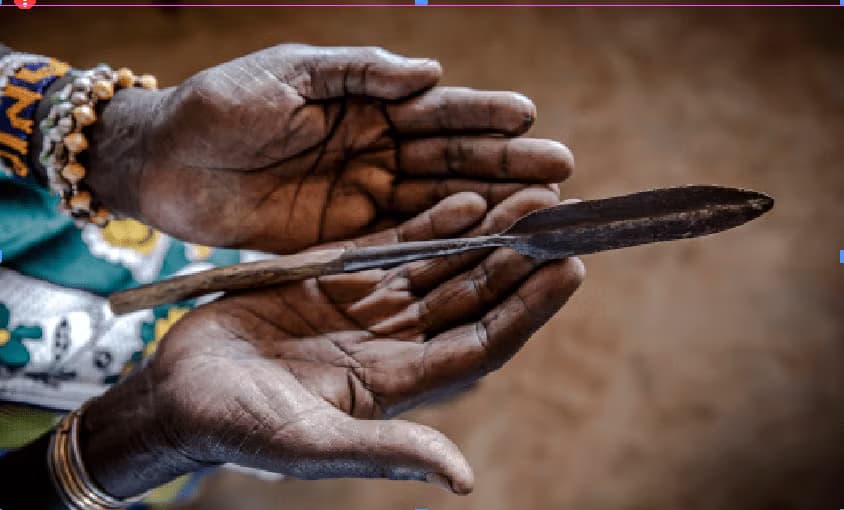
As the world marks the International Day of Zero Tolerance for FGM, Kenya stands at a precarious crossroads between legislative success and cultural stagnation. Despite a robust legal framework and a drop in national prevalence to 15%, the "cut" persists in the shadows, evolving into a medicalized, cross-border crime that demands a radical shift in strategy.
The fight against Female Genital Mutilation (FGM) has moved from the public square to the private clinic. While the Prohibition of FGM Act of 2011 was a landmark victory, new data from the Anti-FGM Board reveals a disturbing trend: parents are increasingly colluding with rogue medical practitioners to cut girls under the guise of "minor surgery," or spiriting them across the porous border into Tanzania and Somalia to evade Kenyan law.
To truly end this violation, we must follow the money. FGM is not just a cultural rite; it is an economic engine for "cutters" and a prerequisite for dowry in many communities. "We cannot legislate culture away without addressing the economic void left behind," argues a policy analyst from the Gender Ministry. The call to "invest" is literal—funding alternative rites of passage (ARP) and economic empowerment programs for the women who once made a living from the blade.
President William Ruto’s administration has reiterated the commitment made by his predecessor to end FGM by 2022—a deadline that has come and gone. The new target of 2030 is looming. To hit it, the government must move beyond rhetoric to "enforcement with teeth." This means holding local chiefs and administrators personally liable if FGM occurs in their jurisdiction.
Furthermore, the investment must trickle down to the grassroots activists who risk their lives daily. These women, often survivors themselves, are the intelligence network that can alert authorities before the blade falls. They are underfunded, unprotected, and exhausted.
We have the laws. We have the data. What we lack is the ruthless, sustained application of state power combined with the compassionate investment in community alternatives. Until we bridge that gap, the cut will continue.
Keep the conversation in one place—threads here stay linked to the story and in the forums.
Sign in to start a discussion
Start a conversation about this story and keep it linked here.
Other hot threads
E-sports and Gaming Community in Kenya
Active 10 months ago
The Role of Technology in Modern Agriculture (AgriTech)
Active 10 months ago
Popular Recreational Activities Across Counties
Active 10 months ago
Investing in Youth Sports Development Programs
Active 10 months ago



