We're loading the full news article for you. This includes the article content, images, author information, and related articles.
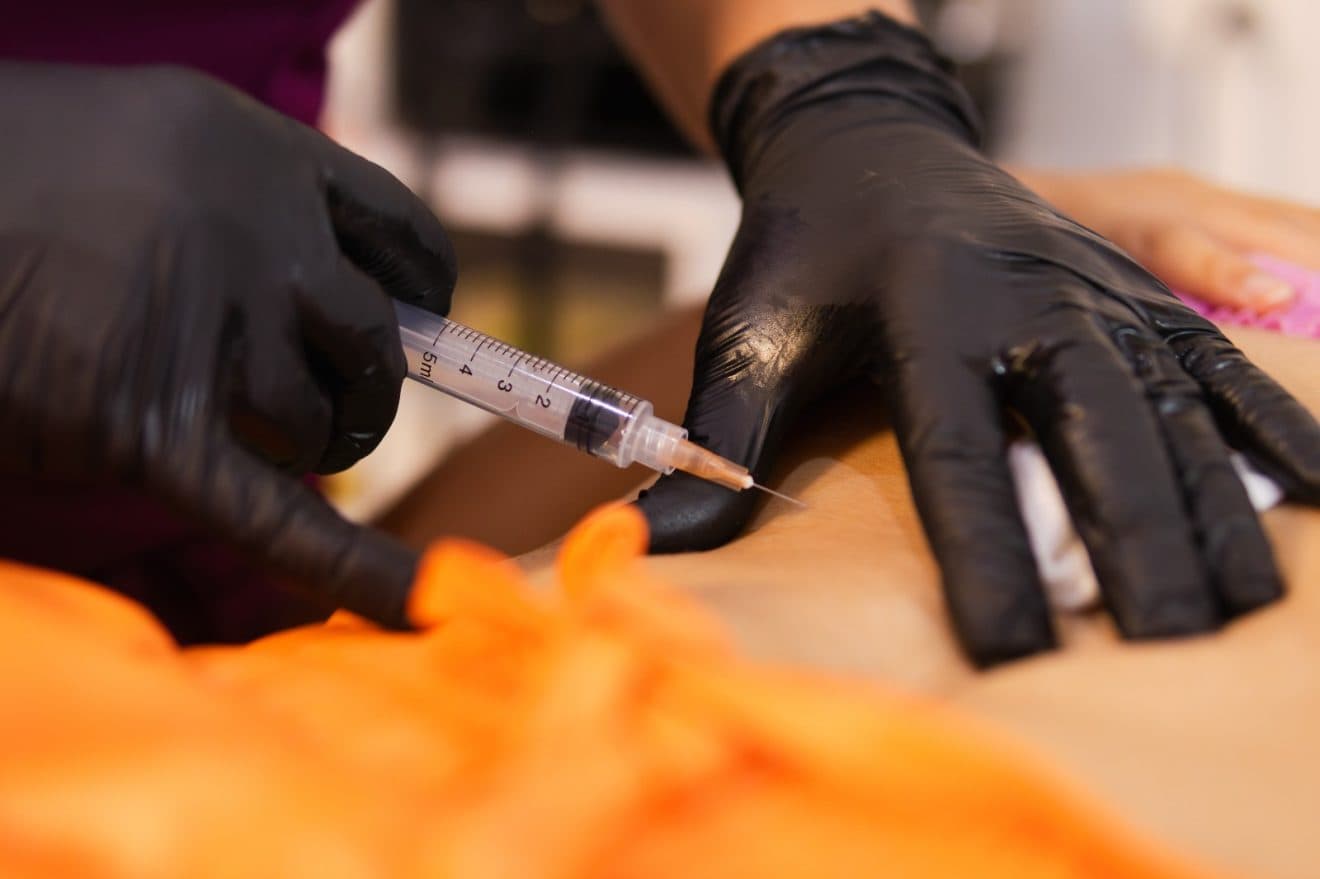
Vaccines save lives when given on schedule. This investigation explains how immunisation works, why timing matters, and the myths that put children at risk.

Vaccines are among the most effective public-health interventions ever developed. Yet misinformation has turned routine childhood immunisation into a source of anxiety for many families. The result is delayed or missed protection during the very months children are most vulnerable.
Immunisation schedules are not arbitrary. They are designed around when a child’s immune system can respond effectively and when exposure risk is highest. Delaying vaccines does not make them safer — it simply leaves children unprotected for longer.
Vaccines train the immune system to recognise and respond to dangerous infections without causing disease. This preparation allows the body to react quickly and effectively if exposed later.
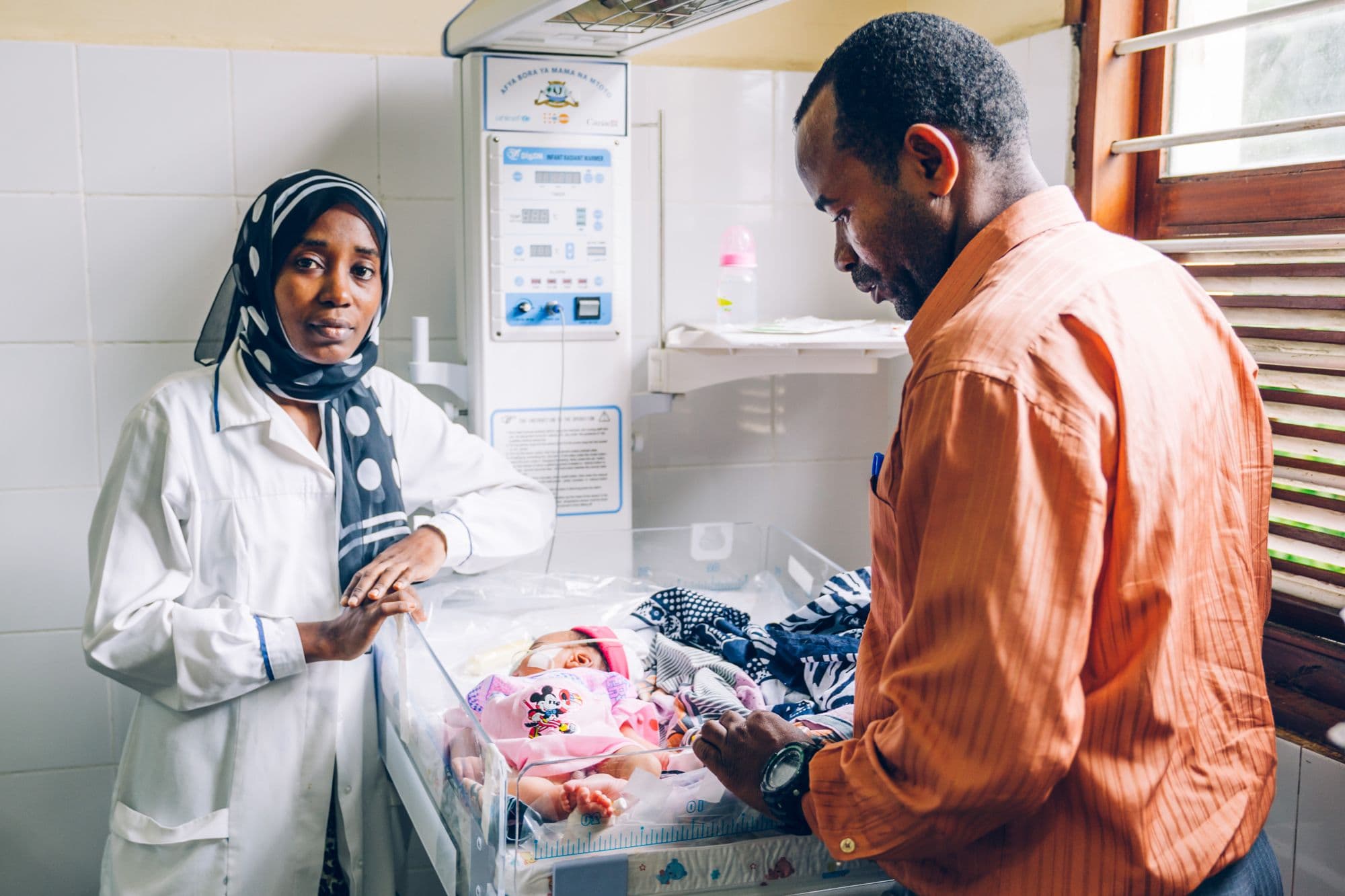
Outbreaks of measles, whooping cough, and other preventable diseases often begin in pockets of low immunisation coverage. Infants too young to be fully vaccinated are among the first victims.
High vaccination coverage protects those who cannot be vaccinated due to age or medical conditions. Immunisation is not just an individual choice; it is a collective responsibility.
Bottom line: Vaccines work best when given on time. Delays do not increase safety — they increase risk.
Keep the conversation in one place—threads here stay linked to the story and in the forums.
Sign in to start a discussion
Start a conversation about this story and keep it linked here.
Other hot threads
E-sports and Gaming Community in Kenya
Active 9 months ago
The Role of Technology in Modern Agriculture (AgriTech)
Active 9 months ago
Popular Recreational Activities Across Counties
Active 9 months ago
Investing in Youth Sports Development Programs
Active 9 months ago