We're loading the full news article for you. This includes the article content, images, author information, and related articles.
Security buffers and strict CAF protocols force a capacity cap at Nyayo Stadium, as Gor Mahia and AFC Leopards prepare for a high-stakes 98th duel.
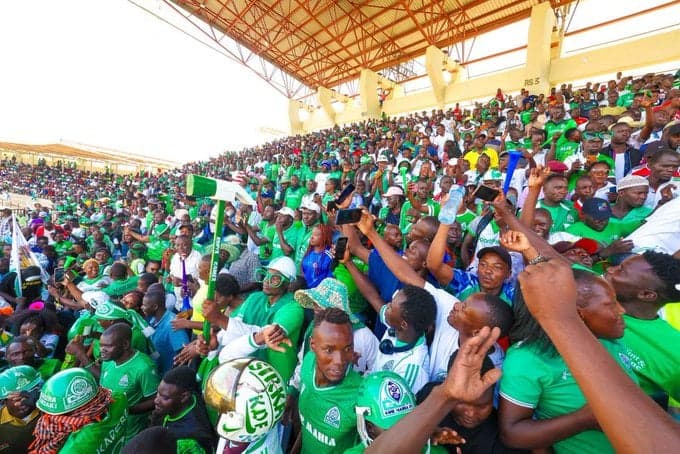
For the diehard fans of Kenya’s most volatile football rivalry, the math for this Sunday’s Mashemeji Derby is simple but bitter: 22,900 seats exist, but only 18,000 bodies will be allowed through the turnstiles.
This 98th edition of the Gor Mahia versus AFC Leopards clash at Nyayo National Stadium is not just a battle for points; it is a stress test for Kenya’s newly renovated sporting infrastructure. The decision to lock out nearly 5,000 fans—leaving roughly 21% of the stadium empty—is a calculated move by Sports Kenya and club officials to prioritize safety over ticket revenue.
The directive to cap attendance at 18,000 is not arbitrary. It stems from a rigid enforcement of Confederation of African Football (CAF) safety regulations, which recommend that high-risk matches should not exceed 80% of a venue's capacity. This buffer zone is designed to allow for rapid evacuation and easier crowd control, a lesson learned from past stadium tragedies across the continent.
Gor Mahia Secretary General Nick Arum confirmed the constraints following a series of tense pre-event meetings with Sports Kenya. "After we paid to use the facility, Sports Kenya insisted on three pre-event meetings to firm up arrangements," Arum noted, highlighting the government's anxiety over potential vandalism to the facility, which was only recently handed back by the Kenya Defence Forces after extensive renovations.
For the fan on the ground, the derby remains an affordable, albeit tighter, affair. The economic reality of the match day is laid out clearly:
However, the "Kenyan Lens" reveals a stricter environment for the hustlers who power the stadium economy. Vendors looking to sell inside the perimeter must pay a KES 500 access fee. Furthermore, in a bid to prevent the "missile throwing" that has marred previous derbies, security has banned all beverages in bottles or cans. Drinks must be decanted into disposable cups—a small inconvenience that signals a zero-tolerance approach to hooliganism.
Security will be heavy. A combined force of over 300 officers drawn from the Regular Police, Administration Police, GSU, and Traffic Department will ring the stadium. Inside, a buffer of 130 stewards—100 from hosts Gor Mahia and 30 from AFC Leopards—will manage the stands.
The stakes on the pitch are equally high. Gor Mahia currently sits atop the table with 19 points, while AFC Leopards trails in seventh place with 14 points. But as history dictates, form often flies out the window when the whistle blows. Gates open at 9:00 AM for a historic double-header, featuring the women’s teams—Gor Mahia Queens vs. AFC Leopards Queens—at 11:30 AM, setting the stage for the main event at 3:00 PM.
"We plan to open the gates early so fans can enjoy the entertainment," Arum added, attempting to soften the blow of the strict regulations. But the message from the authorities is clear: enjoy the football, but respect the facility, or the doors might not open next time.
Keep the conversation in one place—threads here stay linked to the story and in the forums.
Sign in to start a discussion
Start a conversation about this story and keep it linked here.
Other hot threads
E-sports and Gaming Community in Kenya
Active 9 months ago
The Role of Technology in Modern Agriculture (AgriTech)
Active 9 months ago
Popular Recreational Activities Across Counties
Active 9 months ago
Investing in Youth Sports Development Programs
Active 9 months ago