We're loading the full news article for you. This includes the article content, images, author information, and related articles.
The international community is fiercely divided following the unprovoked joint military offensive by the United States and Israel against Iran, with global powers scrambling to react to the escalating crisis.
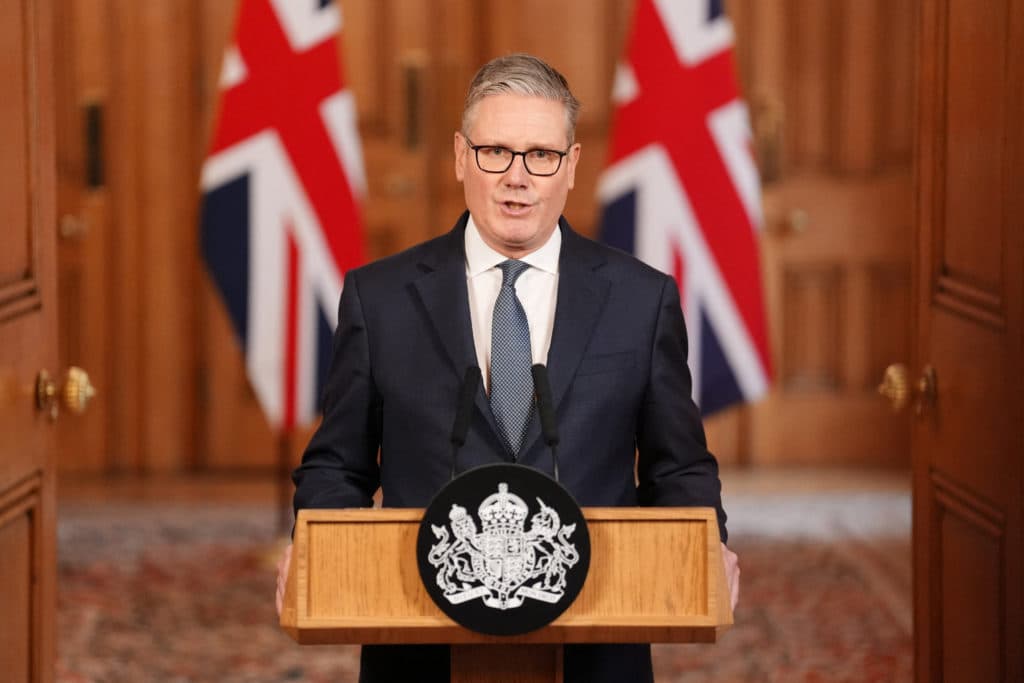
The international community is fiercely divided following the unprovoked joint military offensive by the United States and Israel against Iran, with global powers scrambling to react to the escalating crisis.
The dawn strikes on Iranian soil have shattered the fragile equilibrium of global diplomacy. As ballistic missiles tear across Middle Eastern skies, the responses from world capitals reveal deep geopolitical fault lines, signaling a dangerous polarization that threatens to draw multiple continents into a wider conflict.
For Kenya and the broader African continent, the diplomatic maneuvering in Washington, Moscow, and Beijing is critical. The African Union is closely monitoring the situation, acutely aware that an all-out war in the Persian Gulf will destabilize international trade, disrupt vital energy supplies, and trigger a devastating global recession.
The reaction to the US-Israeli strikes on Iran’s nuclear and military infrastructure has been markedly polarized. Western allies of the United States have largely offered cautious support or muted responses, prioritizing narratives of preemptive defense and the containment of perceived nuclear threats.
Conversely, a formidable bloc of nations has vehemently condemned the aggression. Russia labeled the attack a "pre-planned and unprovoked act of armed aggression against a sovereign and independent UN member state," accusing Washington of using nuclear concerns as a smokescreen for regime change. China echoed these sentiments, expressing deep concern and demanding respect for Iran's territorial integrity.
The most shocking aspect of the offensive is its timing. The attacks occurred mere hours after indirect, internationally mediated discussions between Iran and the US regarding the nuclear program. Omani mediators had reportedly signaled significant concessions from Tehran, making the sudden resort to overwhelming military force a severe blow to international arbitration mechanisms.
The fallout has effectively obliterated any immediate prospects for a negotiated settlement. With Iran now actively retaliating against US bases embedded within neighboring Gulf states, the theater of war has expanded drastically. The blatant disregard for ongoing diplomacy underscores a shift toward unilateral military interventionism.
The rhetoric of world leaders cannot mask the immediate human tragedy unfolding on the ground. Reports of civilian casualties, including the deaths of young students in an Iranian elementary school, have intensified outrage among human rights organizations. Furthermore, the conflict has paralyzed international aviation, with carriers worldwide halting operations across the Middle East.
In Nairobi, economic planners are bracing for impact. The volatility in the oil markets threatens to severely inflate the cost of living. The interconnected nature of the modern global economy ensures that the bombs dropped in Tehran will cause economic tremors felt in every household in Kenya.
"When elephants fight, it is the grass that suffers. The developing world will bear the severe economic brunt of this reckless escalation," warned a leading geopolitical analyst in Nairobi.
Keep the conversation in one place—threads here stay linked to the story and in the forums.
Sign in to start a discussion
Start a conversation about this story and keep it linked here.
Other hot threads
E-sports and Gaming Community in Kenya
Active 9 months ago
The Role of Technology in Modern Agriculture (AgriTech)
Active 9 months ago
Popular Recreational Activities Across Counties
Active 9 months ago
Investing in Youth Sports Development Programs
Active 9 months ago