We're loading the full news article for you. This includes the article content, images, author information, and related articles.
Many people delay visiting hospitals out of fear. Here’s what actually happens during a routine walk-in consultation.

Nairobi/Thika For many people, the hospital is not delayed because symptoms are mild—it is delayed because the process feels intimidating. Families worry about long queues, unexpected bills, or hearing difficult news. Some fear being judged for waiting too long. The result is a pattern doctors know well: people treat headaches, fatigue, dizziness, fever, or stomach pain at home until the body forces a decision.
At HAMAT Hospital, clinicians emphasize that a walk-in consultation is not a mystery. It is a structured process designed to do one thing well: identify risk early and replace uncertainty with a safe, clear plan. Understanding what happens during a routine visit reduces anxiety—and helps patients seek care sooner, when outcomes are better and costs are often lower.
Doctors explain that the first step is usually triage—a short, critical assessment led by a trained nurse. The goal is to identify who needs urgent attention first. Triage is not bureaucracy; it is safety. A patient with a severe asthma attack should not wait behind a patient with mild back pain. Someone with possible stroke warning signs should be prioritized immediately.
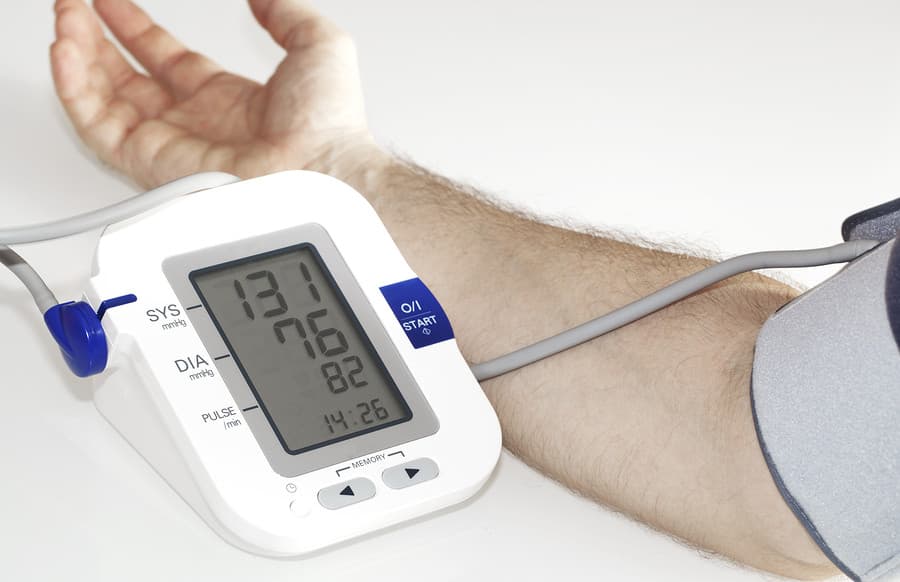
During triage, vital signs are checked: blood pressure, temperature, pulse, and oxygen levels. These numbers often reveal hidden danger, even when someone looks “fine.” A dangerously high blood pressure reading, low oxygen saturation, a very high fever, or a very fast pulse can change the urgency of care.
1) Registration and the main complaint. Your details are recorded and the team notes why you came: headache, dizziness, fatigue, fever, cough, abdominal pain, chest discomfort, or another concern. If you have past medical records, they help clinicians move faster.
2) Triage and risk sorting. A nurse checks your vitals and may ask quick questions to assess urgency: when symptoms started, whether they are worsening, and whether there are red flags such as chest pain, severe shortness of breath, fainting, confusion, or one-sided weakness.
3) History-taking with the clinician. Doctors often say their most valuable tool is not a machine—it is listening. You will be asked about timing, triggers, severity, progression, and associated symptoms. Honesty matters. Mention what you have taken, including antibiotics bought from a chemist, painkillers, supplements, herbal products, or energy drinks. These details influence diagnosis and safety.
4) Physical examination. The clinician checks for evidence that supports or challenges the story: listening to the chest, examining the throat, checking the abdomen, assessing hydration, and—when needed—conducting a basic neurological exam for headache, dizziness, weakness, or numbness. This is where “what you feel” meets “what the body shows.”
5) Investigations when needed. Not everyone needs tests. But when symptoms are persistent, unclear, severe, or potentially serious, testing replaces guesswork. Common baseline tests include a full blood count, blood sugar testing, urine testing, and targeted tests depending on symptoms. If warning signs are present, further diagnostics may be recommended.
6) The plan: treatment, advice, and follow-up. A proper consultation ends with a clear plan—what is likely happening, what should be done now, what warning signs should trigger urgent return, and when follow-up is needed. This step reduces anxiety because patients leave with direction rather than uncertainty.
Many patients arrive seeking quick relief. Doctors aim for relief and prevention. A walk-in consultation can identify silent risks early—blood pressure issues, anemia patterns, blood sugar abnormalities, dehydration, medication-related side effects, or early infection signals. This is one reason clinicians caution against repeated self-medication: it can delay discovery of the real cause while the body accumulates damage.
Another overlooked benefit is education. Patients learn what constitutes an emergency, what can be safely monitored, and what needs early medical review. This knowledge helps families act faster in the future and reduces fear around hospitals.
Doctors emphasize one final point: do not wait for collapse. Persistent symptoms, progressive pain, or unexplained fatigue are valid reasons to seek assessment early.
When to walk in: Persistent symptoms, worsening pain, unexplained fatigue or fever should be medically reviewed rather than managed at home.
Medical professionals advise visiting a properly equipped hospital for assessment, testing and follow-up care.
Keep the conversation in one place—threads here stay linked to the story and in the forums.
Sign in to start a discussion
Start a conversation about this story and keep it linked here.
Other hot threads
E-sports and Gaming Community in Kenya
Active 9 months ago
The Role of Technology in Modern Agriculture (AgriTech)
Active 9 months ago
Popular Recreational Activities Across Counties
Active 9 months ago
Investing in Youth Sports Development Programs
Active 9 months ago