We're loading the full news article for you. This includes the article content, images, author information, and related articles.
A UK-led coalition of nations has pledged to intensify economic pressure on Russia by targeting its oil and gas revenue. For Kenya, these global maneuvers could signal further volatility in fuel and food prices, testing the nation's economic resilience.
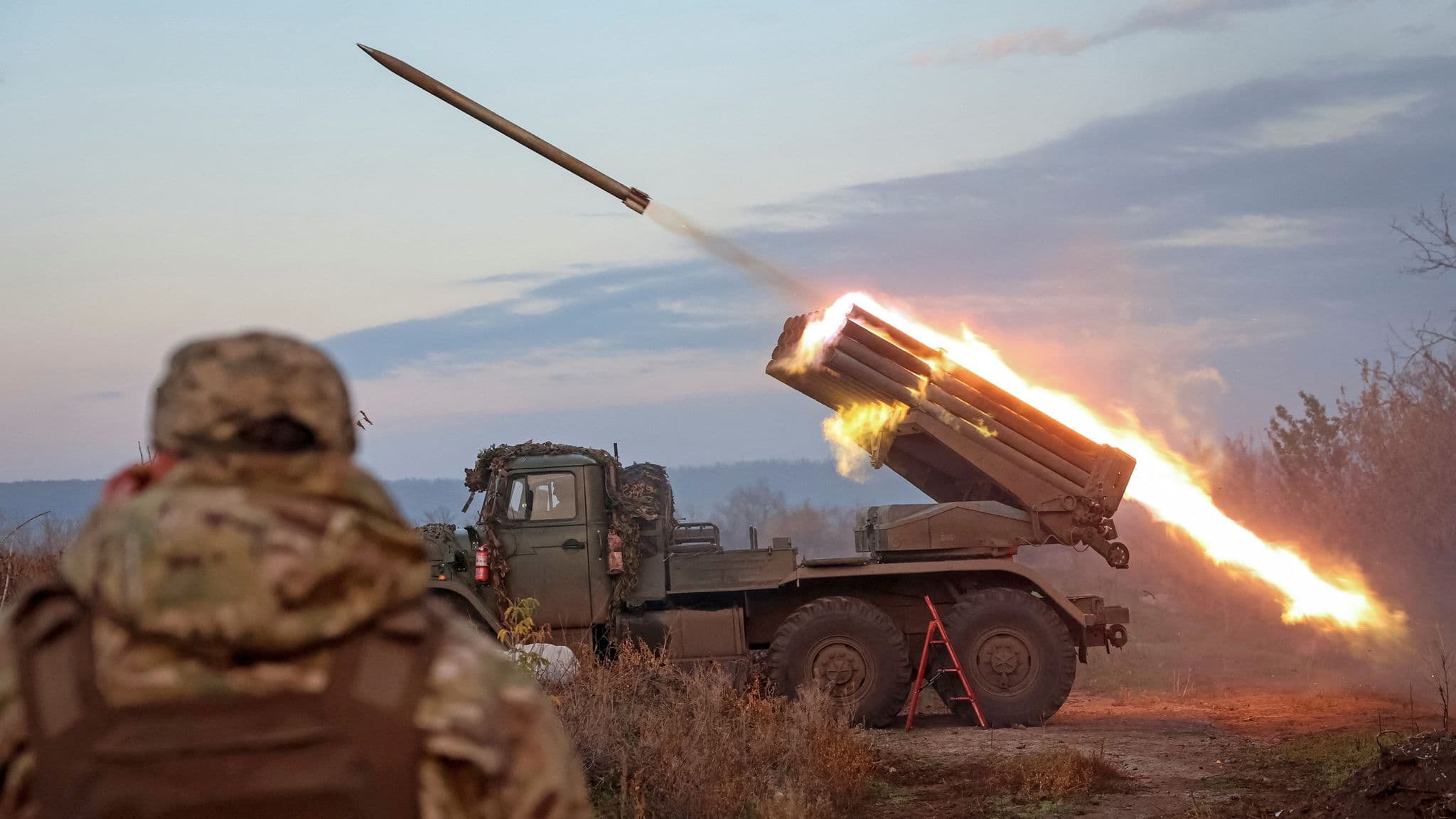
LONDON, United Kingdom - A coalition of Ukraine's allies, meeting in London on Friday, October 24, 2025, committed to escalating economic and military pressure on Russia to curtail its war efforts. British Prime Minister Keir Starmer announced plans to take Russian oil and gas "off the global market" to choke off funding for Moscow's invasion. The move comes amid a broader push to utilize frozen Russian assets for Ukraine's defense and reconstruction, a topic that continues to generate intense debate among European nations.
Speaking at a press conference, Starmer asserted, “Ukraine’s future is our future,” signaling a long-term commitment to Kyiv's sovereignty. The coalition aims to increase the supply of military aid, including additional long-range missiles, to bolster Ukraine's defenses ahead of the winter. This follows a recent commitment by the UK of a £225 million military support package for 2025, which includes air defense systems, drones, and maritime equipment.
A key focus of the international discussions is the utilization of an estimated €290 billion in Russian sovereign assets frozen in the West since the 2022 invasion. European Union leaders are considering a plan to use these assets as collateral for a substantial "reparations loan" for Ukraine, potentially amounting to €140 billion. This financial instrument is designed to provide Kyiv with critical funding without resorting to the direct confiscation of assets, a legally contentious issue.
However, consensus remains elusive. Belgium, where the majority of the assets are held at the Euroclear depository, has raised significant legal and financial concerns, fearing it could be left liable if Russia were to sue. This has led to a postponement of a final decision by EU leaders until at least their December summit. Danish Prime Minister Mette Frederiksen has urged for a resolution before Christmas, highlighting the urgency of securing long-term financing for Ukraine.
While the conflict unfolds thousands of miles away, its economic shockwaves continue to be felt across Kenya. The war has significantly disrupted global supply chains, leading to sharp increases in the prices of essential commodities like fuel, fertilizer, and wheat. According to a study by the European Commission's Joint Research Centre, the war may have cost Kenya's economy up to 2.8% of its GDP in 2022, primarily driven by surging fossil fuel and fertilizer prices. The United Nations Development Programme has also highlighted how these price hikes, coupled with currency depreciation, slow economic recovery and poverty reduction efforts in Kenya.
President William Ruto's administration has acknowledged the war's immense impact on the supply of grains and fuel. Kenya, which imports a significant portion of its wheat from the region, has been particularly vulnerable to these disruptions. The government's response has included subsidy programs for fuel and fertilizer to cushion citizens, though these have come at a considerable fiscal cost.
The latest push by the Western coalition to further restrict Russian oil and gas from the global market could introduce new volatility. While sanctions to date have cost Russia over $100 billion in export earnings, a further tightening could lead to global price spikes, directly affecting pump prices in Nairobi and across the region.
Kenya's diplomatic posture on the conflict has evolved. Initially, under the previous administration, Kenya's ambassador to the UN, Martin Kimani, delivered a powerful condemnation of Russia's actions, invoking Africa's colonial past to defend the principle of territorial integrity. More recently, President Ruto's government has shifted towards a more neutral, non-aligned stance, emphasizing dialogue and negotiation as the path to peace. In an address on August 26, 2025, President Ruto reiterated this position, stating, "Our position on the war has been clear: We strongly believe in the UN Charter, and especially in national sovereignty and territorial integrity." This approach aligns with a broader trend across many African nations seeking to avoid taking sides in the conflict.
As the international community intensifies its measures against Russia, the economic and diplomatic balancing act for countries like Kenya becomes increasingly complex. The outcomes of these high-stakes geopolitical maneuvers in London and Brussels will undoubtedly reverberate through the Kenyan economy, influencing everything from the cost of living to the nation's foreign policy calculations.
Keep the conversation in one place—threads here stay linked to the story and in the forums.
Sign in to start a discussion
Start a conversation about this story and keep it linked here.
Other hot threads
E-sports and Gaming Community in Kenya
Active 9 months ago
The Role of Technology in Modern Agriculture (AgriTech)
Active 9 months ago
Popular Recreational Activities Across Counties
Active 9 months ago
Investing in Youth Sports Development Programs
Active 9 months ago