We're loading the full news article for you. This includes the article content, images, author information, and related articles.
US security guarantees for Ukraine now hinge on ceding the Donbas region, as Washington shifts focus to Iran, fundamentally altering the 1,492-day conflict.

The 1,492nd day of the war in Ukraine brought no respite, only a stark, existential ultimatum. As global powers recalibrate their priorities, the United States has reportedly linked its long-standing security guarantees to a concession that Kyiv has, until now, categorically rejected: the surrender of the entire Donbas region to Russian control. This development signals a decisive shift in Washington’s foreign policy, prioritizing the containment of the escalating conflict in the Middle East over the territorial integrity of its Eastern European ally.
For observers in Nairobi, the conflict is not merely a European theater it is a driver of global instability that threatens supply chains for essential commodities and dictates fuel pricing strategies. The shifting sands of US foreign policy, driven by the intense demands of the ongoing US-Iran confrontation, have pushed President Volodymyr Zelenskyy into a corner. By effectively conditioning military and security support on the abandonment of eastern Ukrainian territories, the American administration is testing the limits of its "as long as it takes" doctrine, moving toward a transactional framework that prioritizes immediate geopolitical relief over long-term alliance commitments.
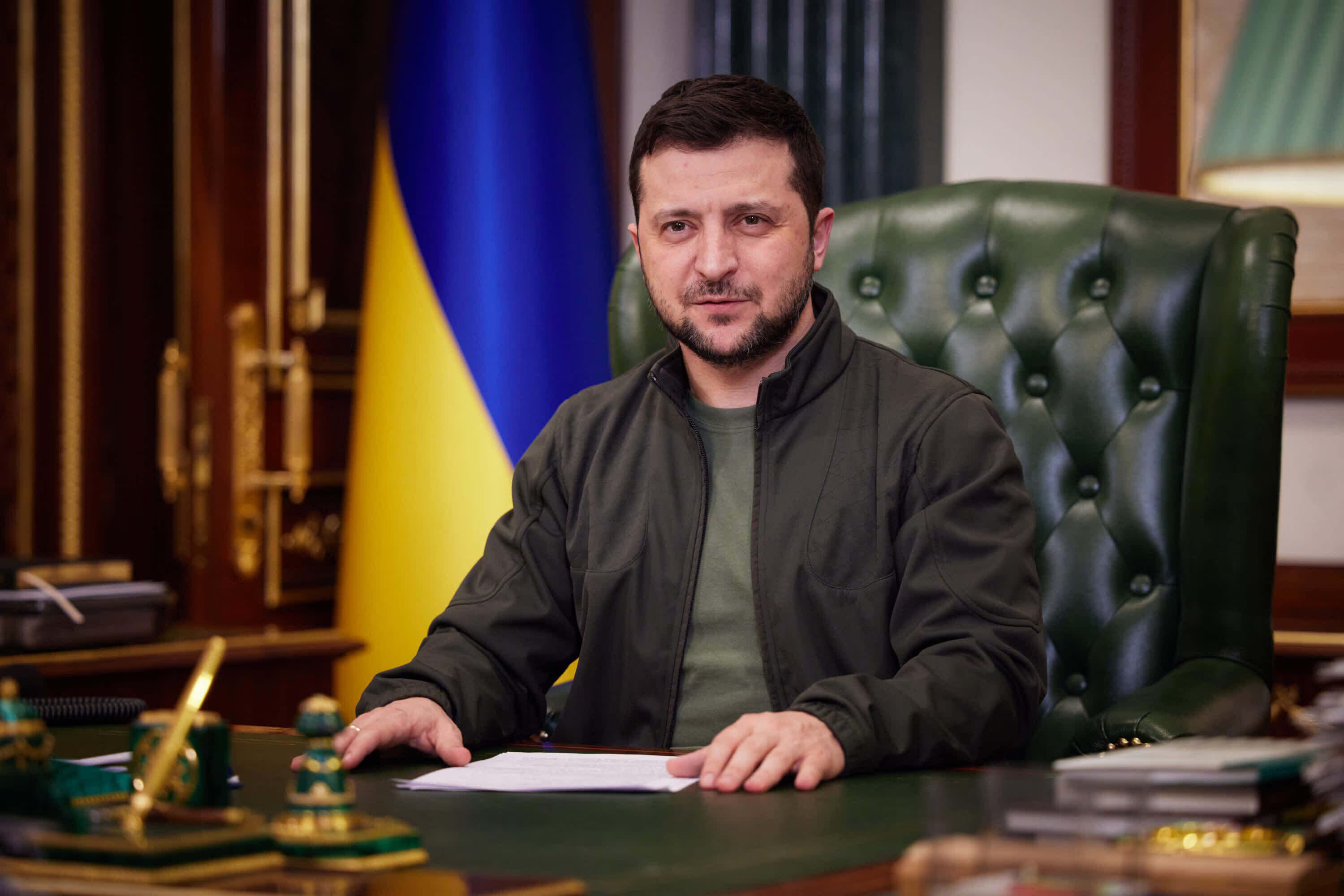
The Donbas, an industrial heartland that has seen the fiercest fighting since the initial 2022 invasion, has become the focal point of this new diplomatic squeeze. President Zelenskyy’s recent remarks to international media have laid bare the pressure exerted by the Trump administration to force a rapid conclusion to the war. The implication is clear: Washington is seeking a strategic exit, viewing the Ukrainian front as a distraction from the perceived higher-stakes theatre of the Middle East.
This pivot represents a profound departure from the stated goals of NATO and its Western partners. The Ukrainian leadership maintains that the eastern regions are inseparable from the nation’s security architecture. To cede them now, under duress, could dismantle the defensive buffers Kyiv has spent over four years constructing. Military analysts suggest that such a concession would not only embolden Russian territorial ambitions but also fracture the unity of the transatlantic alliance, as member states grapple with the precedent set by Washington’s withdrawal of support.
The geopolitical machinery operating behind the scenes is as treacherous as the frontlines. Recent intelligence reports reveal a dangerous game of blackmail orchestrated by Moscow. Russia has reportedly signaled to the United States that it would curtail the sharing of military intelligence with Iran—a crucial factor in the Middle East conflict—if Washington ceases its intelligence flow to Kyiv.
This "intelligence bazaar" places the White House in an impossible position. By accepting such a deal, the US would essentially be trading the security of one ally for the potential containment of an adversary in a different, albeit more volatile, region. Zelenskyy has described this as "absolute blackmail," noting that Ukraine holds verified evidence of Russia’s continued cooperation with Tehran. The situation underscores the chaotic nature of the current global order, where state actors operate in fluid coalitions that defy traditional diplomatic alignments.
While the high-stakes chess match unfolds in diplomatic chambers, the cost in human lives continues to mount. Recent Russian strikes in Kharkiv have claimed the lives of civilians, including those in medical facilities, while drones and artillery fire persist across the border regions. However, the conflict’s reach is extending far beyond Europe.
The revelation that 15 Zimbabwean citizens have died fighting for Russia on the frontlines highlights the disturbing trend of mercenary recruitment in the Global South. According to officials in Harare, these individuals were ensnared by traffickers using social media platforms, highlighting the predatory nature of modern recruitment drives targeting economically vulnerable populations. This tragedy reflects a broader, often overlooked dimension of the war: the exploitation of foreign nationals from Africa and Asia who are increasingly drawn into the conflict as proxies or laborers.
The economic repercussions of this war remain profound. The emergence of the so-called "shadow fleet"—a network of tankers enabling Moscow to bypass sanctions and export oil—has drawn the ire of the British government. Prime Minister Keir Starmer’s authorization to board and detain these vessels marks a significant escalation in Western efforts to disrupt Russian funding. As global oil prices remain volatile, exacerbated by the Middle East crisis, the tightening of energy supplies threatens to drive inflation in import-dependent economies like Kenya, where the cost of living remains sensitive to international crude benchmarks.
Furthermore, the diplomatic spectacle of Belarusian President Alexander Lukashenko in Pyongyang, laying wreaths at the Kumsusan Palace of the Sun, signifies a consolidation of the world’s rogue states. This gathering of autocracies, coordinated in part by Moscow, suggests that the war in Ukraine has catalyzed the formation of a counter-hegemonic bloc. For nations across Africa, the implication is a world increasingly divided into rigid power structures, leaving little room for the neutral, development-focused diplomacy that many emerging economies favor.
As Washington attempts to force a peace that favors stability in the Middle East at the expense of Ukrainian sovereignty, the world watches to see if Kyiv will accept the terms of this transactional surrender. The cost of such a peace may not be counted in borders alone, but in the enduring stability of an international order that is clearly fraying at the seams. Whether this pressure tactics will force a ceasefire or merely ignite a new phase of the war remains the defining uncertainty of our time.
Keep the conversation in one place—threads here stay linked to the story and in the forums.
Sign in to start a discussion
Start a conversation about this story and keep it linked here.
Other hot threads
E-sports and Gaming Community in Kenya
Active 10 months ago
The Role of Technology in Modern Agriculture (AgriTech)
Active 10 months ago
Popular Recreational Activities Across Counties
Active 10 months ago
Investing in Youth Sports Development Programs
Active 10 months ago
Key figures and persons of interest featured in this article