We're loading the full news article for you. This includes the article content, images, author information, and related articles.
New research suggests a correlation between extreme heat and declining male birth ratios, raising questions about biological resilience in a changing climate.
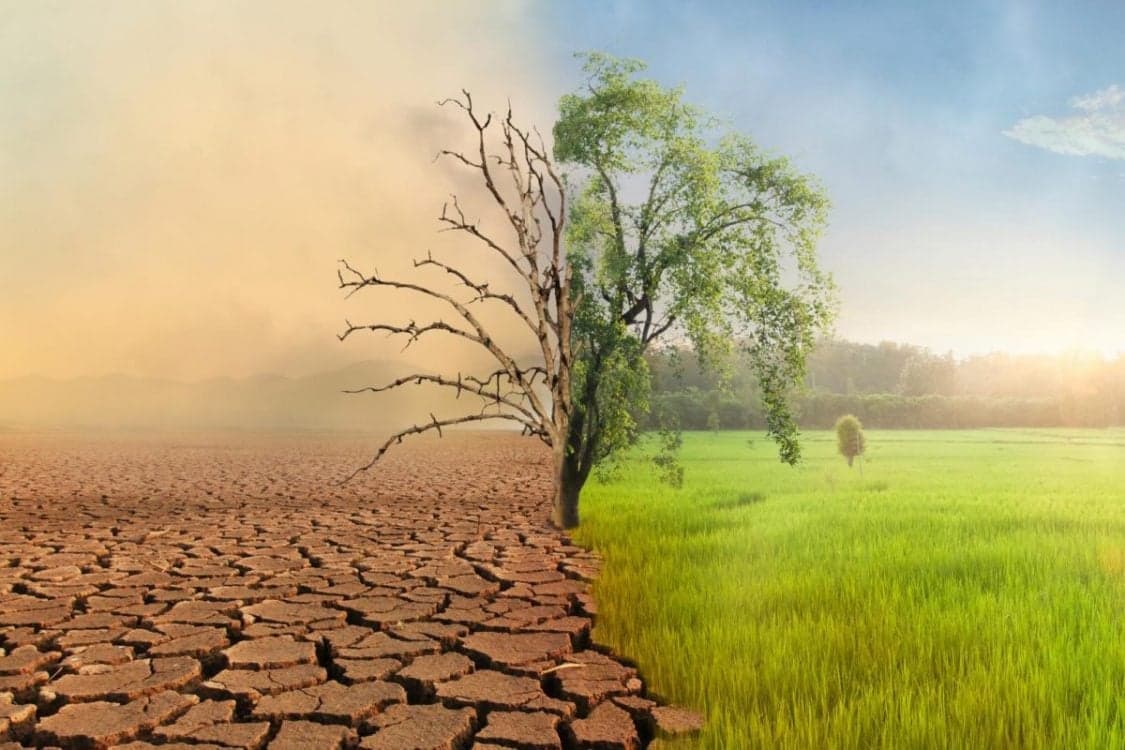
The global demographic landscape is undergoing a silent, climate-induced recalibration that defies traditional biological assumptions. New investigative data indicates that rising ambient temperatures, once considered primarily a threat to agricultural yields and infrastructure, are now demonstrably altering the sex ratio at birth, with a measurable decline in male infants across large swaths of the developing world.
This demographic shift is not a matter of anecdotal conjecture but the result of a rigorous, large-scale demographic analysis published in the Proceedings of the National Academy of Sciences (PNAS) in February 2026. By synthesizing high-resolution climate data with over five million birth records across 33 sub-Saharan African countries and India, researchers have identified a biological and behavioral friction point that occurs once daily maximum temperatures surpass a 20-degree Celsius threshold.
At the center of this discovery is the phenomenon often referred to by demographers and biologists as the "frail male" hypothesis. While human sex ratios at birth—the number of boys born for every 100 girls—historically hover around a stable 105:100, the research reveals that this equilibrium is increasingly vulnerable to environmental stress. The findings, led by Dr. Jasmin Abdel Ghany of the University of Oxford and her international team, suggest that male fetuses are biologically more fragile than their female counterparts during the critical stages of gestation.
In sub-Saharan Africa, the data points to a clear biological mechanism. When pregnant women are exposed to extended periods of temperatures exceeding 20 degrees Celsius during the first trimester, there is a statistically significant increase in prenatal mortality, or miscarriage, specifically affecting male fetuses. The physiological burden of heat stress on the maternal body disproportionately impacts the development of male embryos, which require greater metabolic investment for survival compared to female embryos.
This pattern is not uniform across all demographics but is most pronounced in highly vulnerable populations. Mothers residing in rural areas with limited access to climate-controlled environments and advanced prenatal care show the highest susceptibility to these outcomes. The data suggests that for these women, a warming climate translates directly into a reduction in the probability of a male birth.
The research, which utilized data from more than 90 Demographic and Health Surveys, provides a sobering look at how environmental conditions dictate reproductive outcomes:
The study introduces a vital layer of complexity by comparing sub-Saharan Africa with India. While Africa presents a clear picture of biological vulnerability, the Indian data introduces a behavioral component. In regions where cultural norms have historically skewed birth ratios toward males, extreme heat during the second trimester—the period during which sex determination is possible—has paradoxically led to fewer male births.
Researchers posit that this is not a result of biological loss but of a disruption in healthcare access. Intense heat waves frequently disrupt daily mobility, reduce household income, and create logistical barriers to accessing medical clinics. Consequently, families that might otherwise seek sex-selective practices are prevented from doing so, leading to a temporary normalization of the birth ratio in those specific windows. This highlights the double-edged nature of climate change: it is both a biological stressor and a barrier to the very medical services that dictate population health.
For policymakers in Nairobi and health officials across East Africa, these findings are not merely academic they are a public health imperative. As climate models predict continued warming across the region, the potential for increased prenatal complications and skewed birth ratios becomes a genuine risk for maternal healthcare systems. Strengthening antenatal care to include "heat-resilience" strategies—such as better hydration support, heat-shielded prenatal clinics, and early-warning systems for pregnant women during peak temperature months—is no longer optional.
The implications extend beyond biology they touch on the fundamental stability of family planning and societal composition. As the environment increasingly influences the most intimate aspects of human reproduction, the medical community must prepare for a future where climate change is treated as a clinical variable in prenatal care, not just an external weather event. The question for the coming decade is whether public health systems can adapt fast enough to protect the most vulnerable pregnancies from the encroaching heat of a warming planet.
Keep the conversation in one place—threads here stay linked to the story and in the forums.
Sign in to start a discussion
Start a conversation about this story and keep it linked here.
Other hot threads
E-sports and Gaming Community in Kenya
Active 10 months ago
Popular Recreational Activities Across Counties
Active 10 months ago
The Role of Technology in Modern Agriculture (AgriTech)
Active 10 months ago
Investing in Youth Sports Development Programs
Active 10 months ago



