We're loading the full news article for you. This includes the article content, images, author information, and related articles.
President William Ruto has fundamentally restructured the balance of power in devolved governments by confirming that county assemblies will achieve total financial independence from the executive branch starting this June.
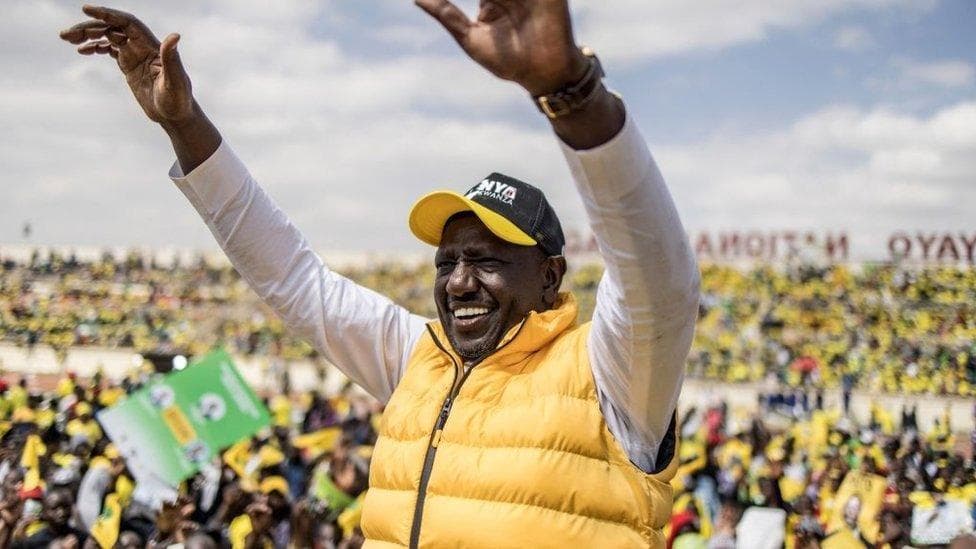
President William Ruto has fundamentally restructured the balance of power in devolved governments by confirming that county assemblies will achieve total financial independence from the executive branch starting this June.
A seismic shift in the architecture of Kenyan devolution is on the horizon. President William Ruto has officially confirmed that beginning in June, all forty-seven county assemblies across the Republic will manage their operational budgets with complete autonomy, severing a long-standing financial tether to the county executive committees.
This policy overhaul is a masterstroke in decentralized governance. For over a decade, the constitutional mandate of oversight has been severely compromised by a systemic flaw: the investigators were financially reliant on the very executives they were tasked with investigating. By granting the assemblies control over their own purse strings, the administration is attempting to eradicate the localized blackmail that has stifled accountability at the grassroots level.
Historically, Members of the County Assembly were forced to requisition operational funds through the County Executive Committee Member for Finance. This structural dependency created a glaring conflict of interest. Whenever an assembly initiated aggressive probes into gubernatorial corruption or administrative incompetence, the executive branch would routinely retaliate by quietly suffocating the financial supply lines. Salaries would be mysteriously delayed, and funding for crucial committee site visits would evaporate.
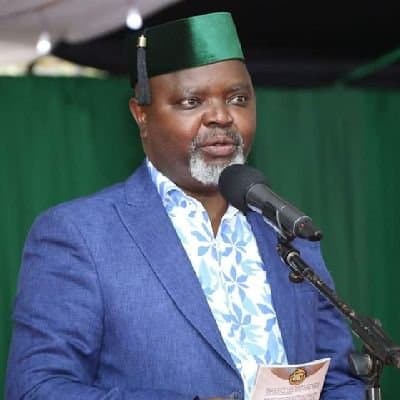
Meru Senator Kathuri Murungi, the primary legislative sponsor of this transformative law, accurately described the previous dynamic as hostage-like. The impending separation of budgets is explicitly designed to dismantle this toxic relationship. The intention of the national government is clear: to drive an era of uncompromised accountability, operational transparency, and ultimately, vastly improved service delivery to the citizens residing in the counties.
The immediate impacts of this financial liberation are expected to be profound and wide-ranging:
However, this newfound emancipation introduces a complex array of fresh administrative challenges. The monumental responsibility of managing billions of shillings will now fall squarely onto the shoulders of the Assembly Clerks. These civil servants will transition from mere administrators into pivotal financial controllers, tasked with establishing robust procurement protocols and rigorous auditing standards.
There is a palpable risk associated with this transition. Critics and financial watchdogs have warned that without stringent oversight mechanisms, the decentralization of funds might simply shift the locus of graft from the executive mansion to the assembly chambers. The phenomenon of miniature corruption taking root among the ward representatives themselves is a scenario the national treasury must preemptively combat through continuous capacity building and strict adherence to the Public Finance Management Act.
In tandem with the announcement of financial independence, President Ruto delivered a stern caution regarding political tenure and post-service benefits. Addressing the growing popularity of the one-term political slogan among certain local leaders, the President explicitly tied the successful implementation of a new pension scheme to sustained public service.
The administration is in advanced negotiations to establish a contributory pension framework, mirroring the system utilized by the National Assembly. Under the proposed blueprint, ward representatives will contribute 7.5 percent of their monthly remuneration, a figure that will be matched by the government. However, the President noted that qualifying for these lucrative benefits will likely require serving a minimum of two electoral terms, effectively urging the representatives to focus on long-term development rather than short-sighted political grandstanding.
"Public service must carry dignity, both in tenure and after service," the President stated, cementing his commitment to reforming the welfare of grassroots legislators.
Keep the conversation in one place—threads here stay linked to the story and in the forums.
Sign in to start a discussion
Start a conversation about this story and keep it linked here.
Other hot threads
E-sports and Gaming Community in Kenya
Active 9 months ago
The Role of Technology in Modern Agriculture (AgriTech)
Active 9 months ago
Popular Recreational Activities Across Counties
Active 9 months ago
Investing in Youth Sports Development Programs
Active 9 months ago
Key figures and persons of interest featured in this article