We're loading the full news article for you. This includes the article content, images, author information, and related articles.
The White House warns Iran to accept a nuclear deal or face potential military strikes, as the US moves battleships into position and talks in Geneva hang by a thread.
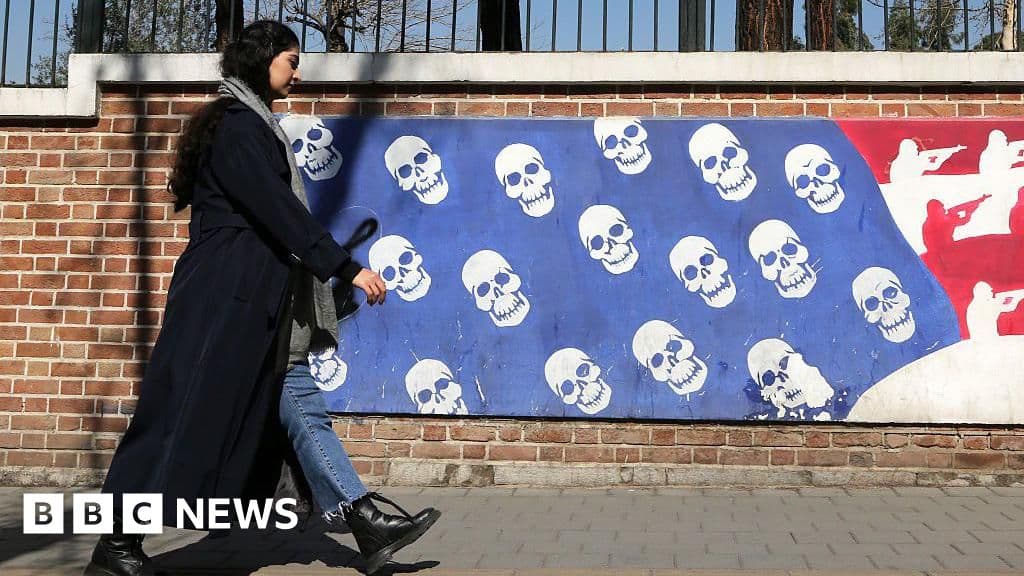
The shadow of war is lengthening over the Middle East as the White House delivers a thinly veiled ultimatum to Tehran. With a second US battleship steaming into the region, Press Secretary Karoline Leavitt has warned that Iran would be "very wise" to strike a deal with President Trump, explicitly keeping the option of a military strike on the table.
The warning comes amidst a fragile diplomatic dance in Geneva, where US and Iranian officials are engaged in indirect nuclear negotiations. While Leavitt acknowledged "a little bit of progress," she emphasized that the two nations remain "very far apart" on critical issues. The rhetoric from Washington has shifted from cautious optimism to overt coercion, with the threat of force now serving as the primary lever of American diplomacy.
The diplomatic maneuvering is backed by hard power. The US Navy has positioned the USS Abraham Lincoln carrier strike group and multiple guided-missile destroyers near the Strait of Hormuz, a choke point for global oil supplies. This buildup is not for show; reports indicate that Pentagon officials have briefed President Trump on strike options that could be executed as early as Saturday.
"There are many reasons and arguments one could make for a strike against Iran," Leavitt told reporters, a statement that effectively normalizes the prospect of conflict. She referenced the administration’s previous "obliteration" of Iranian nuclear facilities last June as proof of Trump’s willingness to pull the trigger. The message to Tehran is unmistakable: negotiate now, or face a kinetic dismantling of your infrastructure.
The strategy of "diplomacy at gunpoint" is a high-risk gamble. While the White House insists that a diplomatic resolution is the "first option," the aggressive posturing could backfire, hardening Iranian resolve or triggering an accidental escalation. The US is demanding significant concessions on Iran’s nuclear program—concessions that Tehran views as a surrender of sovereignty.
As the clock ticks down to the weekend, the world watches Geneva with bated breath. The next few days will determine whether the Middle East steps back from the precipice or plunges into a conflict that could engulf the entire region. For now, the ball is in Iran’s court, but the gun is clearly in America’s hand.
Keep the conversation in one place—threads here stay linked to the story and in the forums.
Sign in to start a discussion
Start a conversation about this story and keep it linked here.
Other hot threads
E-sports and Gaming Community in Kenya
Active 9 months ago
The Role of Technology in Modern Agriculture (AgriTech)
Active 9 months ago
Popular Recreational Activities Across Counties
Active 9 months ago
Investing in Youth Sports Development Programs
Active 9 months ago



