We're loading the full news article for you. This includes the article content, images, author information, and related articles.
Walmart to pay $100mn over claims it misled drivers over pay
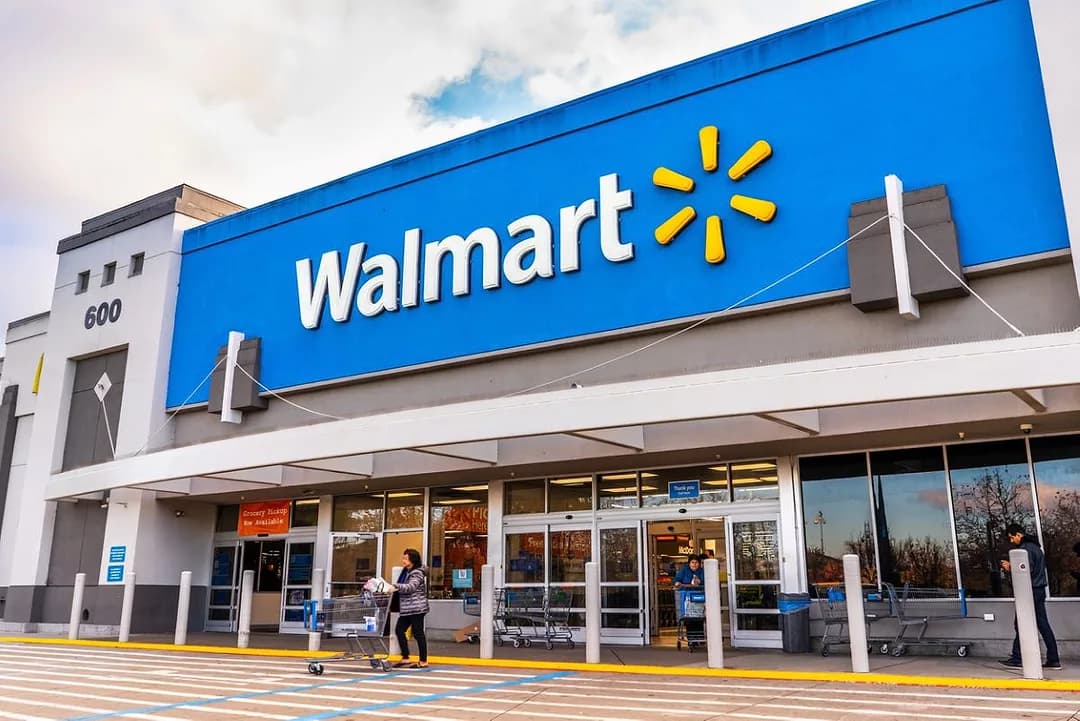
Retail giant Walmart has agreed to a $100 million (approx. KES 13 billion) settlement with the FTC following allegations that it deceived drivers on its Spark Driver app regarding their earnings.
The landmark settlement, announced by the Federal Trade Commission alongside 11 state attorneys general, exposes the dark underbelly of the gig economy and corporate exploitation of independent contractors.
As the gig economy expands globally, reaching deep into emerging markets like Kenya, the accountability of multinational corporations becomes paramount. This $100 million penalty serves as a stark warning to tech-driven platforms that bait-and-switch tactics regarding worker compensation will face severe regulatory wrath. It underscores the urgent need for robust labor protections for gig workers who lack traditional employment safety nets.
The core of the FTC's complaint centered on Walmart's alleged misrepresentation of the earning potential on its proprietary Spark Driver platform. The app, which facilitates the delivery of groceries and household goods to consumers, promised drivers lucrative payouts. However, investigations revealed that the retail behemoth systematically shortchanged these independent contractors, leaving them with tens of millions of dollars less than they were led to expect.
According to the regulatory findings, Walmart manipulated the payout structures and tipping mechanisms, effectively siphoning money away from the very workforce powering its last-mile delivery success. Drivers, many of whom relied on Spark as their primary source of income, found themselves trapped in an opaque system where their actual earnings consistently fell short of advertised figures.
The $100 million (approx. KES 13bn) penalty will be entirely dedicated to compensating the affected drivers. This restitution aims to make whole the individuals who suffered financial hardship due to corporate deception. The case highlights a systemic flaw in algorithmic management, where workers have little visibility or recourse against arbitrary changes to their pay rates.
For Kenyan policymakers observing this transatlantic legal battle, the parallels with local ride-hailing and delivery apps are unmissable. The fight for fair algorithms, transparent pricing, and guaranteed minimum earnings is a global struggle. The FTC's aggressive stance provides a template for consumer protection agencies worldwide to rein in gig economy abuses.
Moving forward, Walmart will be subject to stringent reporting and compliance measures to ensure transparent compensation practices. The era of unchecked algorithmic wage theft is facing unprecedented legal scrutiny.
This ruling fundamentally challenges the operational models of massive retail and delivery networks, demanding that the human element at the end of the digital supply chain is treated with dignity and fairness.
"When corporations build empires on the backs of independent workers, honesty in compensation is not a courtesy; it is a legal mandate," the regulatory body emphasized, closing a dark chapter for gig drivers.
Keep the conversation in one place—threads here stay linked to the story and in the forums.
Sign in to start a discussion
Start a conversation about this story and keep it linked here.
Other hot threads
E-sports and Gaming Community in Kenya
Active 9 months ago
The Role of Technology in Modern Agriculture (AgriTech)
Active 9 months ago
Popular Recreational Activities Across Counties
Active 9 months ago
Investing in Youth Sports Development Programs
Active 9 months ago