We're loading the full news article for you. This includes the article content, images, author information, and related articles.
Trading volumes for insurance against tech defaults have quadrupled, signaling that smart money is preparing for an artificial intelligence correction that could ripple globally.
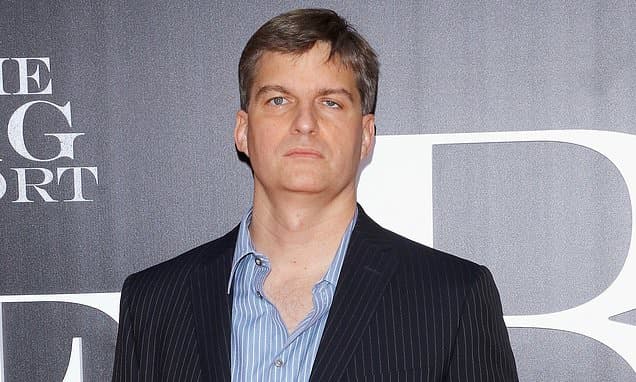
If you have seen the film The Big Short, you know the ending: a small group of contrarians make a fortune betting against a housing market everyone else thought was invincible. That same financial instrument—the credit default swap (CDS)—is now resurfacing with a vengeance, but this time, the target is the artificial intelligence sector.
This is not merely a niche Wall Street trend; it is a flashing warning light for the global economy. According to data from the Depository Trust & Clearing Corporation, cited by the Financial Times, investors are aggressively buying insurance policies that pay out if major tech companies default on their debts. Since September, the purchase of these swaps has skyrocketed by 90%, suggesting that behind the glossy AI presentations, fear is mounting that the industry’s valuation bubble is about to burst.
The numbers paint a picture of rapid defensive maneuvering. Prior to this autumn, the monthly volume for these bets against tech firms held steady at around $2 billion (approx. KES 260 billion). By December, that figure is projected to shatter the $8 billion (approx. KES 1.04 trillion) ceiling.
For the Kenyan observer, this massive capital shift matters. When global liquidity tightens or a tech bubble pops, risk capital—the kind that fuels emerging markets and the Silicon Savannah—often dries up first. The surge in CDS volume indicates that institutional investors are paying premium rates to protect themselves against a potential collapse in the sector.
While the skepticism is broad, specific giants are absorbing the brunt of the pessimism. The Financial Times reports that trading activity has focused heavily on three key players:
Oracle’s position is particularly precarious. The company’s valuation relies heavily on data center agreements with OpenAI that have not yet materialized into cash. When Oracle announced delays to these projects last Friday, it triggered a sector-wide sell-off, validating the skeptics who have tripled the weekly CDS trading volume on the company this year.
A credit default swap is effectively a fire insurance policy on a house you don't own; you profit if it burns down. The fact that demand for this insurance is vertical suggests that smart money sees smoke.
Hedge fund Bridgewater Associates recently issued a note to investors warning of a "reasonable probability" that the AI sector is in a bubble. While the technology itself may be revolutionary, the economics supporting it are looking increasingly strained. As noted by market analysts, when a significant portion of Wall Street begins positioning itself to profit from a crash, it is usually a sign that the party is coming to an abrupt end.
Keep the conversation in one place—threads here stay linked to the story and in the forums.
Sign in to start a discussion
Start a conversation about this story and keep it linked here.
Other hot threads
E-sports and Gaming Community in Kenya
Active 9 months ago
The Role of Technology in Modern Agriculture (AgriTech)
Active 9 months ago
Popular Recreational Activities Across Counties
Active 9 months ago
Investing in Youth Sports Development Programs
Active 9 months ago