We're loading the full news article for you. This includes the article content, images, author information, and related articles.
The German auto giant is closing a vehicle plant for the first time in its 88-year history, transforming it into a high-tech hub. This signals a seismic shift as the carmaker battles fierce competition and economic headwinds.
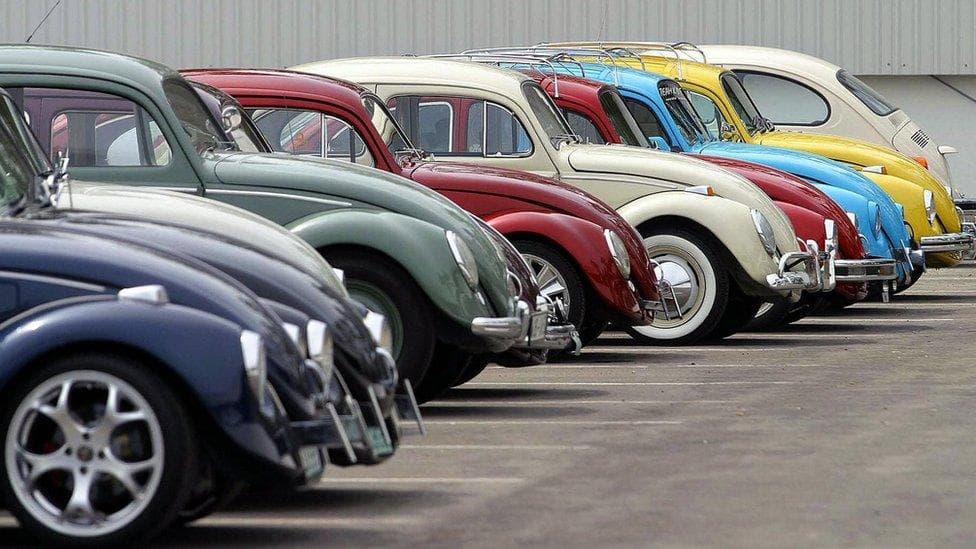
In an unprecedented move, German automotive titan Volkswagen is shutting down a car factory in its homeland for the first time, ending over two decades of vehicle production in Dresden. The iconic 'Transparent Factory' will be reborn as a cutting-edge research campus focused on artificial intelligence, robotics, and chip design.
This pivot is not just a corporate reshuffle; it's a stark response to a brutal economic climate. The decision was deemed "absolutely necessary" by Volkswagen brand CEO Thomas Schäfer, who pointed to severe market pressures. The move is part of a larger, painful restructuring that includes slashing 35,000 jobs in Germany by 2030 to navigate the storm.
For Kenyans, this global shift in the automotive industry could have long-term ripple effects. Volkswagen's heavy investment in AI and chip design—up to €1 billion (approx. KES 140 billion) by 2030—highlights the future of manufacturing. As global supply chains for critical components like semiconductors remain fragile, this could influence the price and availability of new vehicles in the local market. The global chip shortage has already been blamed for a 7-10% increase in vehicle prices worldwide.
The carmaker's struggles are compounded by intense competition in China and costly US trade tariffs, which have significantly dented profits. Volkswagen Group's operating result for the first half of 2025 fell by a staggering 33% compared to the previous year, a clear sign of the financial strain. This financial pressure on a major global player could impact future investments and operations across its markets, including emerging ones.
The transformation of the Dresden plant is a collaborative effort. Volkswagen is partnering with the government of Saxony and the Dresden University of Technology (TU Dresden), which will occupy nearly half the factory space. The joint investment of over €50 million (approx. KES 7 billion) over the next seven years aims to create an innovation ecosystem, bridging academic research with industrial application.
This strategic pivot underscores a critical reality: the future of the automotive industry is as much about silicon chips and software as it is about steel and engines. Key areas of focus for the new campus will include:
Volkswagen's troubles were exacerbated by a chip supply scare earlier this year when geopolitical tensions involving the Netherlands and China threatened to halt production lines. By bringing chip design in-house and fostering local research, the company is making a bold play for greater technological independence and supply chain resilience.
While the closure marks the end of an era for vehicle manufacturing in Dresden, it signals Volkswagen's high-stakes gamble on a future driven by technology. The success of this transformation could well determine its place in the next generation of mobility, a future that will eventually arrive on Kenyan roads.
Keep the conversation in one place—threads here stay linked to the story and in the forums.
Sign in to start a discussion
Start a conversation about this story and keep it linked here.
Other hot threads
E-sports and Gaming Community in Kenya
Active 10 months ago
The Role of Technology in Modern Agriculture (AgriTech)
Active 10 months ago
Popular Recreational Activities Across Counties
Active 10 months ago
Investing in Youth Sports Development Programs
Active 10 months ago