We're loading the full news article for you. This includes the article content, images, author information, and related articles.
With only 13 per cent of candidates clearing all units, the latest mass failure at the Kenya School of Law has reopened old wounds regarding the quality of degrees and the fairness of the final hurdle.
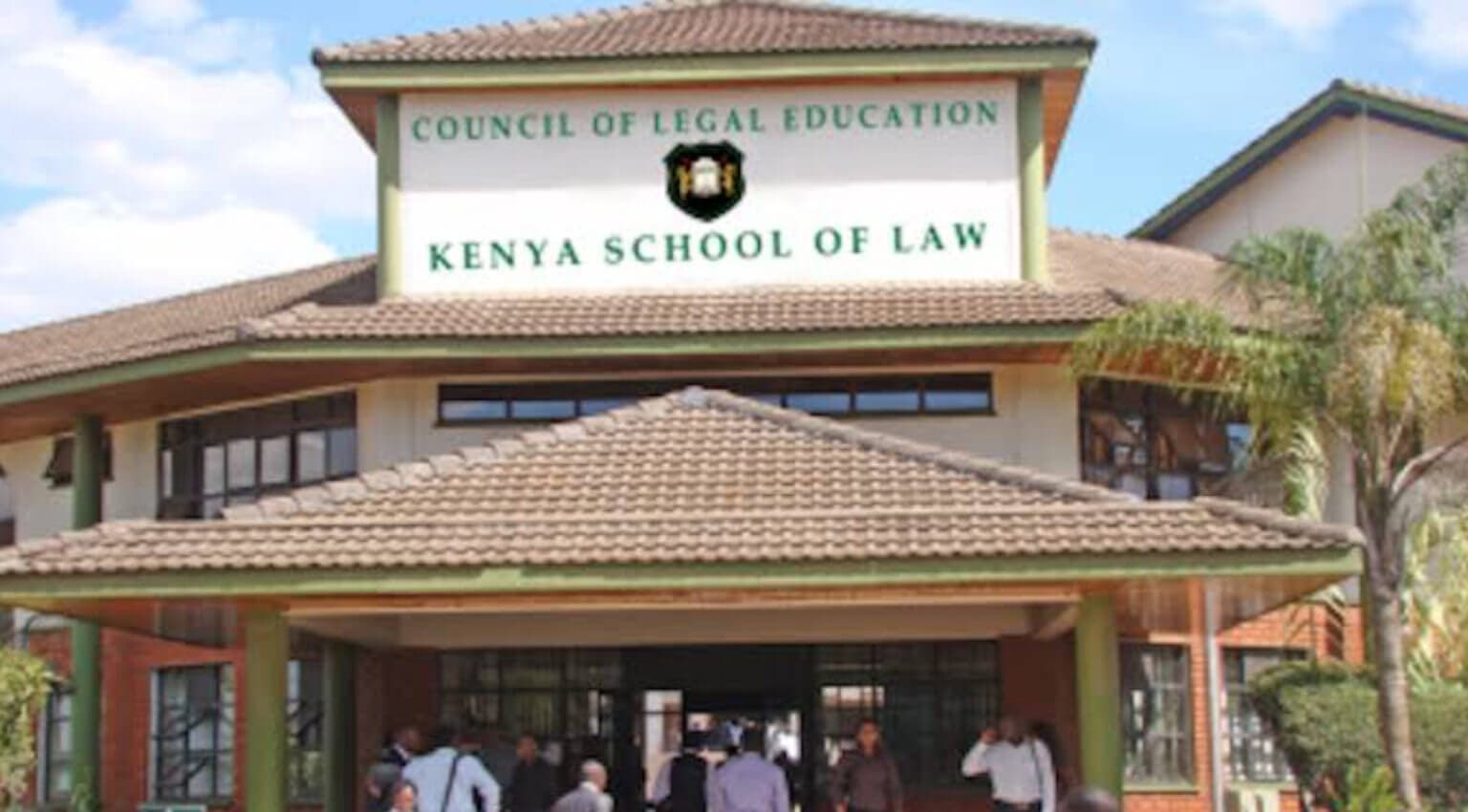
The annual ritual of heartbreak for aspiring advocates has returned, with the release of the November 2025 Advocates Training Programme (ATP) results turning the festive season into a period of introspection for the legal fraternity.
Data released by the Council of Legal Education (CLE) reveals a stark reality: out of nearly 3,000 candidates who sat the exams, the vast majority failed to clear the final hurdle required to practice law in Kenya. This latest wave of mass failure has moved beyond mere statistics, reigniting a fierce debate on whether the country is producing ill-equipped graduates or if the regulator is enforcing an artificially high barrier to entry.
The numbers paint a grim picture of the transition from law student to Advocate of the High Court. According to the CLE, a total of 2,968 candidates attempted the examinations between November 13 and 25. This cohort included 1,835 regular students and 1,133 re-sit candidates hoping to finally clear their backlog.
The outcome, however, suggests a systemic bottleneck:
For the average Kenyan family, these figures represent millions of shillings in tuition fees and years of study, now stalled at the final gate. The disparity between units is particularly jarring; while nearly everyone passed Trial Advocacy, three-quarters of the class failed Professional Ethics—a trend that has persisted for three consecutive years.
The results have drawn sharp lines in the sand among senior practitioners. Former Law Society of Kenya (LSK) President Nelson Havi wasted no time in pointing the finger at the source of the students, rather than the examiners.
“These are the consequences of those village law faculties that some of you were defending,” Havi asserted, referencing the proliferation of law degree programs in less-established universities across the country.
Havi’s argument suggests that the Kenya School of Law is merely the quality control checkpoint exposing foundational rot. He contends that poorly resourced institutions and unqualified teaching staff are selling students a dream they cannot academically afford, leading to inevitable failure when faced with the rigorous ATP standards.
Perhaps the most confounding statistic is the 75 per cent failure rate in Professional Ethics. Legal analysts find it ironic that the unit designed to teach moral and professional conduct is the primary stumbling block for entry into the profession.
Critics of the examination model argue that the low pass rate in this specific unit points to a disconnect between the curriculum and the assessment method, rather than a sudden collective loss of ethical understanding among graduates. However, the CLE maintains the trend is "troubling," signaling no intention to lower the bar.
As the 2,571 candidates who failed to clear all units contemplate their next move—likely involving expensive re-sits—the legal sector remains at an impasse. Until the disconnect between university preparation and professional examination is bridged, the ATP results will likely remain a yearly source of national frustration.
Keep the conversation in one place—threads here stay linked to the story and in the forums.
Sign in to start a discussion
Start a conversation about this story and keep it linked here.
Other hot threads
E-sports and Gaming Community in Kenya
Active 9 months ago
The Role of Technology in Modern Agriculture (AgriTech)
Active 9 months ago
Popular Recreational Activities Across Counties
Active 9 months ago
Investing in Youth Sports Development Programs
Active 9 months ago



