We're loading the full news article for you. This includes the article content, images, author information, and related articles.
Hanoi embraces Chinese tech giants for its next-generation network, a strategic pivot influenced by U.S. trade tariffs and warming ties with Beijing, raising security concerns in the West.
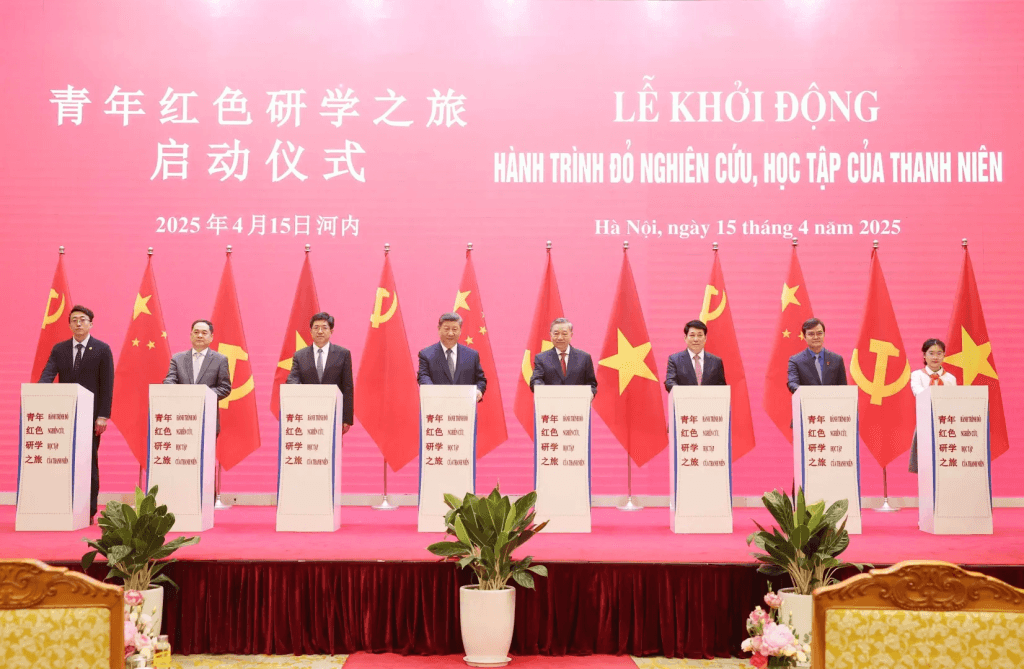
Vietnam is increasingly turning to Chinese telecommunications giants Huawei and ZTE for its 5G network development, a significant policy shift that appears linked to ongoing trade tensions with the United States. The move has alarmed Western officials, who have long cautioned against incorporating Chinese hardware in critical infrastructure due to security risks.
This pivot marks a departure from Vietnam's previous reluctance to use Chinese technology in sensitive sectors. Recent deals, worth over $43 million (approx. KES 5.6 billion), signal a recalibration of Hanoi's strategy as its relationship with Beijing improves.
The new contracts have been awarded against a backdrop of escalating trade friction between Hanoi and Washington. In April, a consortium including Huawei secured a $23 million (approx. KES 3 billion) contract for 5G equipment, just weeks after the White House announced new tariffs on Vietnamese goods. ZTE also won at least two tenders for 5G antennas totaling more than $20 million (approx. KES 2.6 billion).
While European firms like Nokia and Ericsson remain key suppliers for Vietnam's core 5G infrastructure, the recent wins by Chinese companies in supplying other network components highlight a pragmatic, cost-driven approach. An employee at Viettel, Vietnam's largest telecom operator, noted that Chinese technology remains significantly cheaper.
This development contrasts with Kenya's own 5G rollout, where Chinese technology has been a foundational element from the start. Key points on Kenya's 5G journey include:
The decision by Vietnam to now embrace Chinese vendors, partly due to external economic pressures, underscores the complex choices facing nations navigating the U.S.-China tech rivalry. For countries like Kenya, the focus remains on leveraging technology to spur economic growth, a goal that has so far included close collaboration with Chinese firms.
Analysts suggest Vietnam is pursuing a form of "bamboo diplomacy," balancing its relationships with global powers to suit its national priorities. Nguyen Hung, a supply-chain specialist at RMIT University Vietnam, noted that "Vietnam has its own priorities," and these deals could lead to deeper economic integration with China.
The situation remains fluid, with a U.S. official warning that incorporating Chinese equipment could undermine trust in Vietnam's networks and jeopardize future cooperation on advanced American technologies. This places Vietnam in a delicate position, balancing the immediate economic benefits of affordable Chinese technology against the long-term strategic implications of its alliances.
Keep the conversation in one place—threads here stay linked to the story and in the forums.
Sign in to start a discussion
Start a conversation about this story and keep it linked here.
Other hot threads
E-sports and Gaming Community in Kenya
Active 9 months ago
The Role of Technology in Modern Agriculture (AgriTech)
Active 9 months ago
Popular Recreational Activities Across Counties
Active 9 months ago
Investing in Youth Sports Development Programs
Active 9 months ago



