We're loading the full news article for you. This includes the article content, images, author information, and related articles.
A landmark amnesty law recently passed by the Venezuelan government has sparked widespread condemnation from opposition leaders and human rights advocates, who argue the legislation prioritizes impunity over genuine national reconciliation.
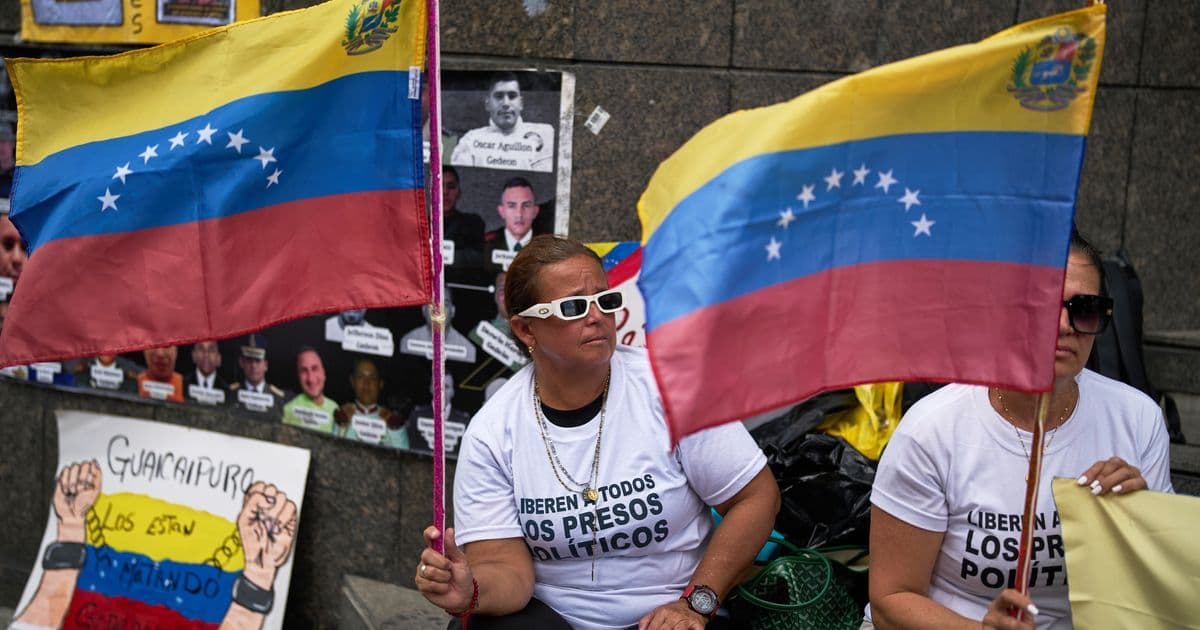
A landmark amnesty law recently passed by the Venezuelan government has sparked widespread condemnation from opposition leaders and human rights advocates, who argue the legislation prioritizes impunity over genuine national reconciliation and leaves hundreds of dissidents languishing in detention.
The South American nation's newly enacted legal framework promises clemency for select political prisoners, yet deeply divides a fractured society.
For democracies across the globe, including observers in East Africa who intimately understand the delicate balance of post-electoral justice, the Venezuelan maneuver represents a critical inflection point. It raises fundamental questions about whether state-sponsored amnesty can ever truly heal deep-seated political wounds without simultaneously establishing transparent mechanisms for accountability and historical truth.
The Venezuelan National Assembly unanimously approved the amnesty measure with the stated goal of easing domestic tensions following a tumultuous period of electoral violence and political upheaval. However, human rights organizations, notably the Foro Penal, estimate that more than 600 individuals remain incarcerated for political reasons. The new legislation categorically excludes members of the military and those accused of serious offenses such as treason or terrorism, creating a bifurcated system of justice.
Opponents view the law as a calculated geopolitical strategy rather than a humanitarian gesture. The requirement that trial courts must approve each amnesty request within a strict 15-day window has fueled rampant skepticism. Critics argue that the very judicial apparatus responsible for arbitrarily detaining activists is now tasked with interpreting their eligibility for release. This structural paradox threatens to undermine the law's credibility before it even takes effect on the ground.
The unfolding scenario in Caracas resonates deeply within the East African political theater, particularly in Kenya. Over the past two decades, Nairobi has navigated its own complex aftermaths of fiercely contested elections. The pursuit of restorative justice, often materialized through truth and reconciliation commissions or selective political truces, mirrors the Venezuelan struggle. When political elites negotiate pardons to stabilize the macroeconomic environment, the victims of state-sanctioned violence are frequently marginalized.
Political analysts in Nairobi draw direct parallels between the current Venezuelan amnesty and historical African precedents where blanket pardons were utilized to shield security apparatuses from international scrutiny. The fundamental argument remains consistent: without acknowledging the original transgressions, amnesties serve merely as temporary ceasefires rather than permanent solutions. The Kenyan experience demonstrates that sustainable peace requires structural reforms, not just the provisional release of political pawns.
The international community is watching closely as exiled Venezuelan figures vehemently reject the terms of the amnesty. Prominent opposition voices argue that the legislation is designed to whitewash the state's image while demanding collective amnesia from the populace. The provision allowing exiled activists to apply for amnesty via legal representation is viewed as a Trojan horse, potentially entrapping those who dare to return.
Magalli Meda, a high-profile campaign manager currently in exile, publicly lambasted the initiative, asserting that the government intends to mandate complicity in exchange for nominal freedom. As global economic sanctions continue to suffocate the Venezuelan economy, this legislative move appears to be a desperate bid for international legitimacy rather than a genuine concession to democratic norms.
"There will be no lasting reconciliation without memory or responsibility, and justice cannot be legislated into existence by those who originally dismantled it."
Keep the conversation in one place—threads here stay linked to the story and in the forums.
Sign in to start a discussion
Start a conversation about this story and keep it linked here.
Other hot threads
E-sports and Gaming Community in Kenya
Active 9 months ago
The Role of Technology in Modern Agriculture (AgriTech)
Active 9 months ago
Popular Recreational Activities Across Counties
Active 9 months ago
Investing in Youth Sports Development Programs
Active 9 months ago