We're loading the full news article for you. This includes the article content, images, author information, and related articles.
The Trump administration has authorized a 30-day sanctions waiver on Iranian crude oil to stabilize global markets amid the ongoing US-Iran conflict.

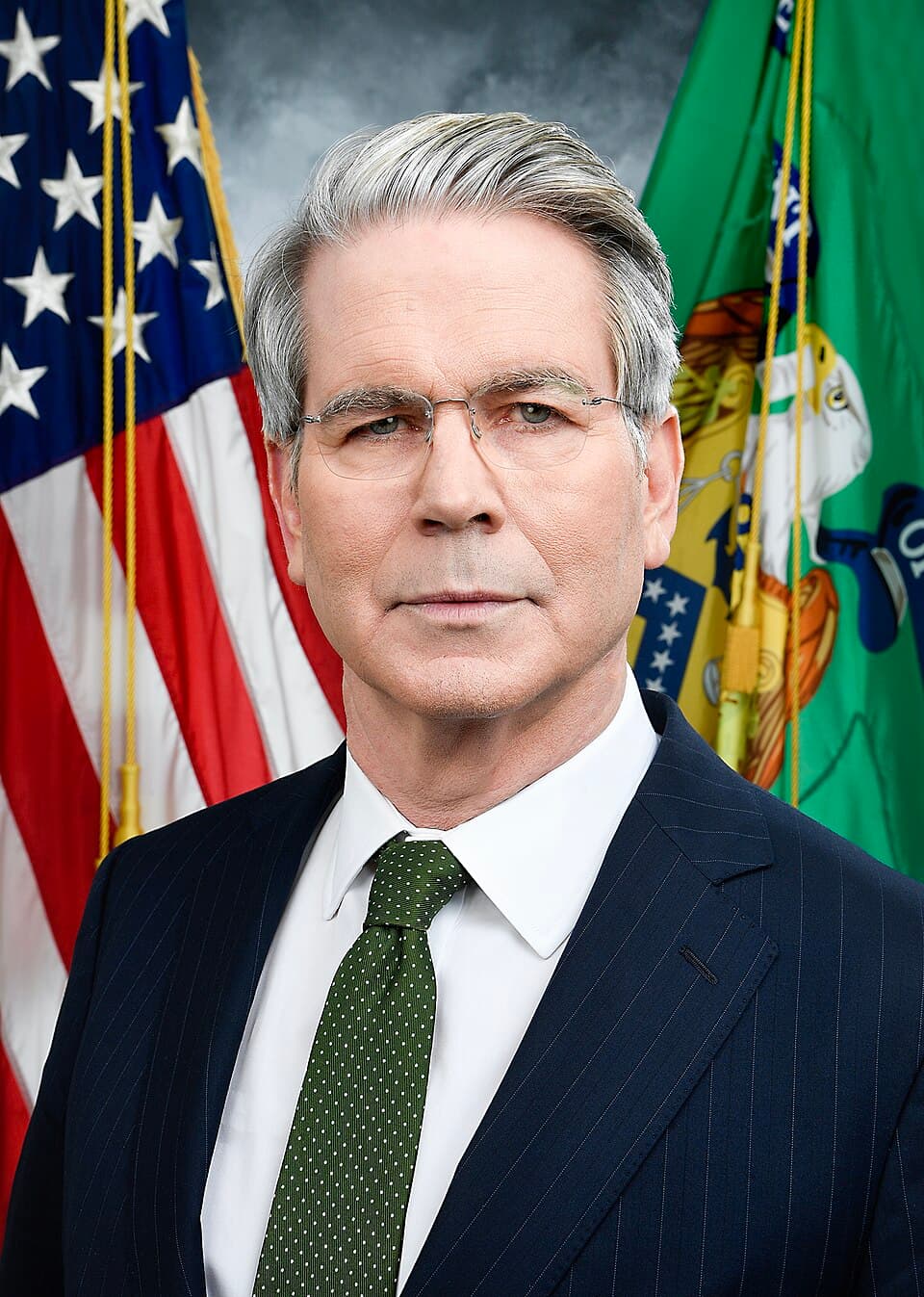
The Trump administration has formally waived sanctions on Iranian oil purchases at sea, a tactical pivot authorized by Treasury Secretary Scott Bessent to flood the global market with approximately 140 million barrels of crude. This emergency measure, effective for 30 days, represents a jarring reversal in US policy as the White House struggles to contain the inflationary fallout of the ongoing US-Iran conflict, internally designated as Operation Epic Fury.
This decision arrives as global crude prices have surged by 50 percent, breaching the psychological barrier of 100 dollars (approximately KES 13,000) per barrel—the highest valuation since 2022. For the American electorate, this spike threatens a massive contraction in consumer spending and business output ahead of the upcoming midterm elections, forcing the administration to trade long-term geopolitical leverage for immediate price stability.
The mechanics of the waiver are complex, effectively turning Tehran's own inventory against it. By issuing a general licence that permits the sale and transport of Iranian crude currently held in floating storage, the Treasury Department is not merely allowing trade it is forcing Iranian supply onto the global market to depress benchmarks. This is not an act of benevolence toward Iran, but a calculated supply-side intervention designed to curb the windfall profits Tehran might otherwise garner from the wartime price rally.
The waiver creates a narrow, time-bound legal corridor allowing US entities to engage with shipments that would otherwise trigger severe sanctions. Treasury officials argue that by flooding the market, they can stabilize prices rapidly, effectively acting as a market spoiler. However, geopolitical analysts warn that the move risks undermining the credibility of the entire US sanctions regime. If the US creates exceptions when domestic economic pressure mounts, allies and adversaries alike may begin to question the long-term viability of Washington’s economic warfare strategies.
For a reader in Nairobi, the volatility in global oil markets is not an abstract geopolitical debate—it is a direct threat to the cost of living. Kenya, as a net importer of refined petroleum products, remains acutely vulnerable to the pricing benchmarks set by international crude markets. When global prices spike by 50 percent, the Energy and Petroleum Regulatory Authority in Kenya faces immediate pressure to upwardly adjust local pump prices to reflect the cost of landed fuel.
The economic impact of the current crisis manifests through three primary channels in the East African economy:
The decision to release 140 million barrels is an attempt to create a global supply cushion, but it remains to be seen if this will be sufficient to reverse the upward trajectory of prices that hit the Kenyan consumer hardest.
The political urgency driving this decision cannot be overstated. With the Republican party looking to cement its control of Congress in the November midterms, the optics of 100-dollar oil are perilous. Rising fuel costs are historically the most potent driver of negative voter sentiment in the United States, and the administration is clearly pivoting toward a pragmatism that prioritizes domestic economic health over the ideological purity of its sanctions policy.
Energy analysts note that while 140 million barrels is a significant volume—comparable to a major Strategic Petroleum Reserve release—its impact on a global market defined by wartime uncertainty may be ephemeral. The market is reacting not just to current supply, but to the fear of further escalations in Operation Epic Fury. If the conflict widens to target key regional chokepoints, such as the Strait of Hormuz, the impact of these additional barrels could be neutralized within days.
This is the third time in two weeks the White House has issued such a waiver, highlighting a frantic reactive posture. By previously easing sanctions on Russian oil and now Iranian crude, the administration is effectively abandoning the isolationist energy policies of the past decade in favor of a desperate, short-term stabilization strategy. The move forces a question of sustainability: can the US continue to facilitate the sale of sanctioned oil every time the market tightens?
As the April 19 deadline for the current waiver approaches, the global energy market will watch closely to see if the administration extends this reprieve. For now, the world remains in a precarious position, waiting to see if these tankers—previously stranded by the weight of international law—can successfully dampen the inflationary firestorm or if they are merely delaying an inevitable price correction. The global economy is gambling on the assumption that an increase in supply will override the systemic shocks of a growing regional war, a bet that may prove costly if the geopolitical temperature continues to rise.
Keep the conversation in one place—threads here stay linked to the story and in the forums.
Sign in to start a discussion
Start a conversation about this story and keep it linked here.
Other hot threads
E-sports and Gaming Community in Kenya
Active 10 months ago
Popular Recreational Activities Across Counties
Active 10 months ago
The Role of Technology in Modern Agriculture (AgriTech)
Active 10 months ago
Investing in Youth Sports Development Programs
Active 10 months ago
Key figures and persons of interest featured in this article