We're loading the full news article for you. This includes the article content, images, author information, and related articles.
In a landmark 6-3 ruling, the US Supreme Court has struck down former President Donald Trump’s contentious global tariffs, a decision that promises immediate relief for international trade partners, including key exporters in East Africa.
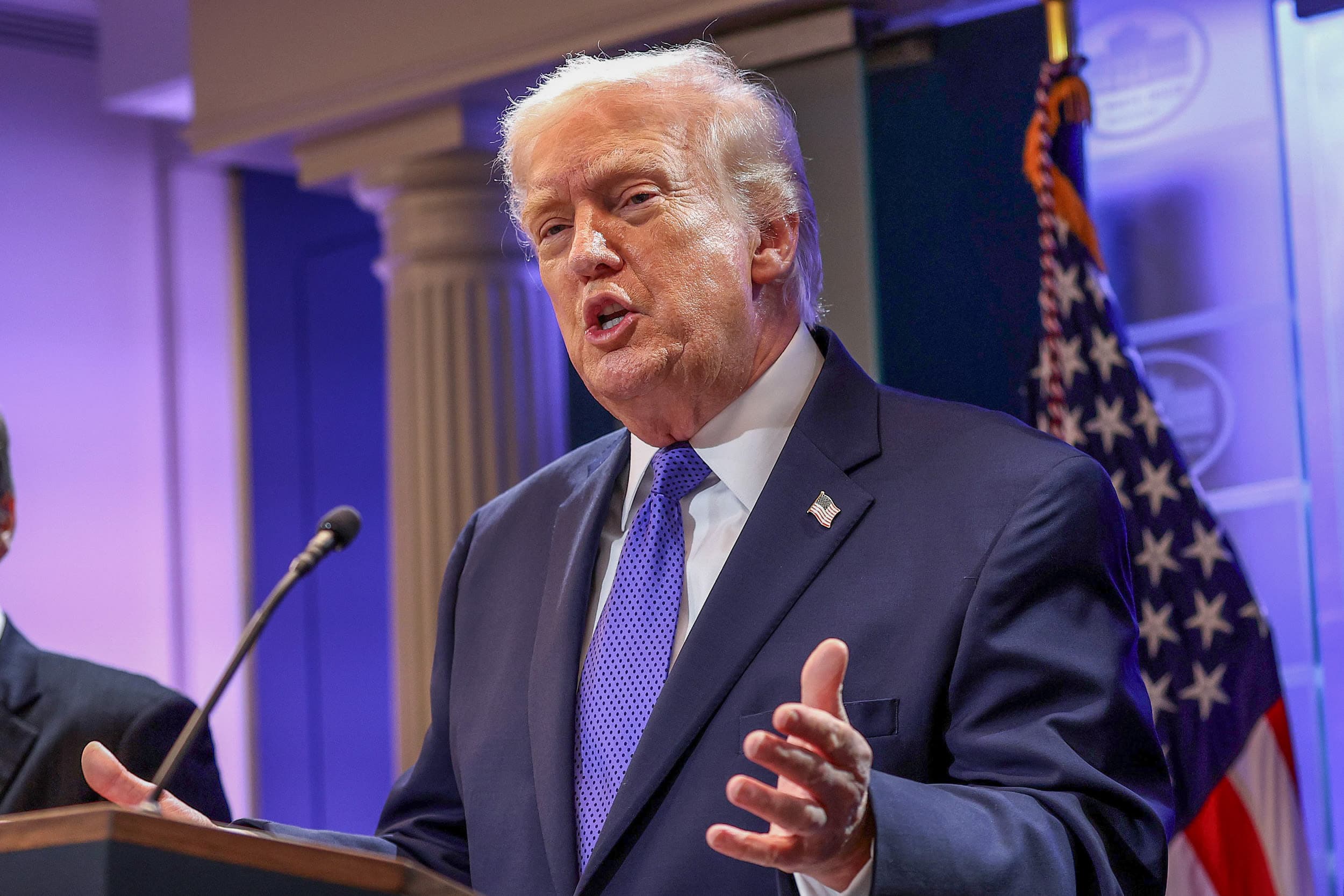
In a landmark 6-3 ruling, the US Supreme Court has struck down former President Donald Trump’s contentious global tariffs, a decision that promises immediate relief for international trade partners, including key exporters in East Africa.
The architecture of global trade has just experienced a massive seismic shift. The highest court in the United States has forcefully dismantled the cornerstone of Donald Trump's aggressive, protectionist economic agenda, ruling his unprecedented imposition of universal import duties entirely unlawful.
In a stunning 6-3 decision, authored by conservative Chief Justice John Roberts, the Supreme Court ruled that the executive branch drastically overstepped its constitutional boundaries. The administration had utilized the International Emergency Economic Powers Act (IEEPA) of 1977 to justify slapping severe, across-the-board tariffs—often hitting 10 percent—on virtually all foreign goods. The Court firmly decreed that the power to levy taxes and tariffs rests exclusively with Congress, not the Oval Office.
"The Framers did not vest any part of the taxing power in the Executive Branch," Chief Justice Roberts wrote, striking a fatal blow to the unilateral trade war strategy that had thrown international markets into a state of chronic anxiety. The ruling highlighted that the IEEPA contains absolutely no statutory language authorizing the president to arbitrarily impose broad tariffs under the guise of an economic emergency.
While conservative Justices Clarence Thomas, Samuel Alito, and Brett Kavanaugh dissented—arguing for broad presidential discretion regarding national economic security—the majority coalition of liberals and conservatives delivered a definitive rebuke. The immediate economic consequences are staggering. The annulled tariffs had already generated tens of billions of dollars in federal revenue, prompting major corporations to immediately begin preparing massive refund claims against the U.S. government.
While the political drama unfolds in Washington, the ripple effects are being felt deeply in Nairobi and Mombasa. For Kenya, a nation heavily reliant on agricultural exports and the textile industry, the removal of these arbitrary global tariffs represents a monumental reprieve.
However, the victory for free trade may be temporary. Trump, visibly furious over the ruling, immediately moved to announce new levies through alternative legal mechanisms, proclaiming a "temporary import surcharge of 10% ad valorem" effective February 24, 2026. This signals that while the Supreme Court has closed one avenue, the broader war on global trade policy is far from over.
For now, the international community breathes a sigh of relief. The highest court in the world's largest economy has drawn a hard line, defending the global supply chain from unilateral disruption.
Keep the conversation in one place—threads here stay linked to the story and in the forums.
Sign in to start a discussion
Start a conversation about this story and keep it linked here.
Other hot threads
E-sports and Gaming Community in Kenya
Active 9 months ago
The Role of Technology in Modern Agriculture (AgriTech)
Active 9 months ago
Popular Recreational Activities Across Counties
Active 9 months ago
Investing in Youth Sports Development Programs
Active 9 months ago



