We're loading the full news article for you. This includes the article content, images, author information, and related articles.
The second-longest government shutdown in United States history threatens to derail a crucial post-AGOA trade agreement and suspend vital American-funded health and development programmes across Kenya.
The United States federal government shutdown entered its 24th day on Friday, 24 October 2025, becoming the second-longest funding lapse in the nation's history with no immediate resolution in sight. [8] The political paralysis in Washington D.C., stemming from a bitter budget dispute between the Republican and Democratic parties, is now casting a long shadow over international relations, with significant economic and diplomatic repercussions for Kenya. [12, 27]
The shutdown officially began at 12:01 a.m. EDT on Wednesday, 1 October 2025, after Congress failed to pass legislation to fund the government for the 2026 fiscal year. [3, 4] As of Friday, East Africa Time, the impasse has forced hundreds of thousands of federal workers into unpaid leave or to work without pay, disrupted numerous government services, and created mounting economic uncertainty. [3, 24] On Wednesday, 22 October, the shutdown surpassed the 21-day closure of 1995-1996 to become the second-longest on record, exceeded only by the 35-day shutdown in 2018-2019. [4, 7, 11]
The most immediate local impact has been the scaling back of operations at the U.S. Embassy in Nairobi. [12] In a notice issued on 1 October, the embassy announced it would suspend regular updates on its official social media accounts, except for urgent safety and security alerts for American citizens. [12, 27, 33] While essential services like passport and visa processing are expected to continue, officials have warned of potential delays the longer the shutdown persists. [23, 34]
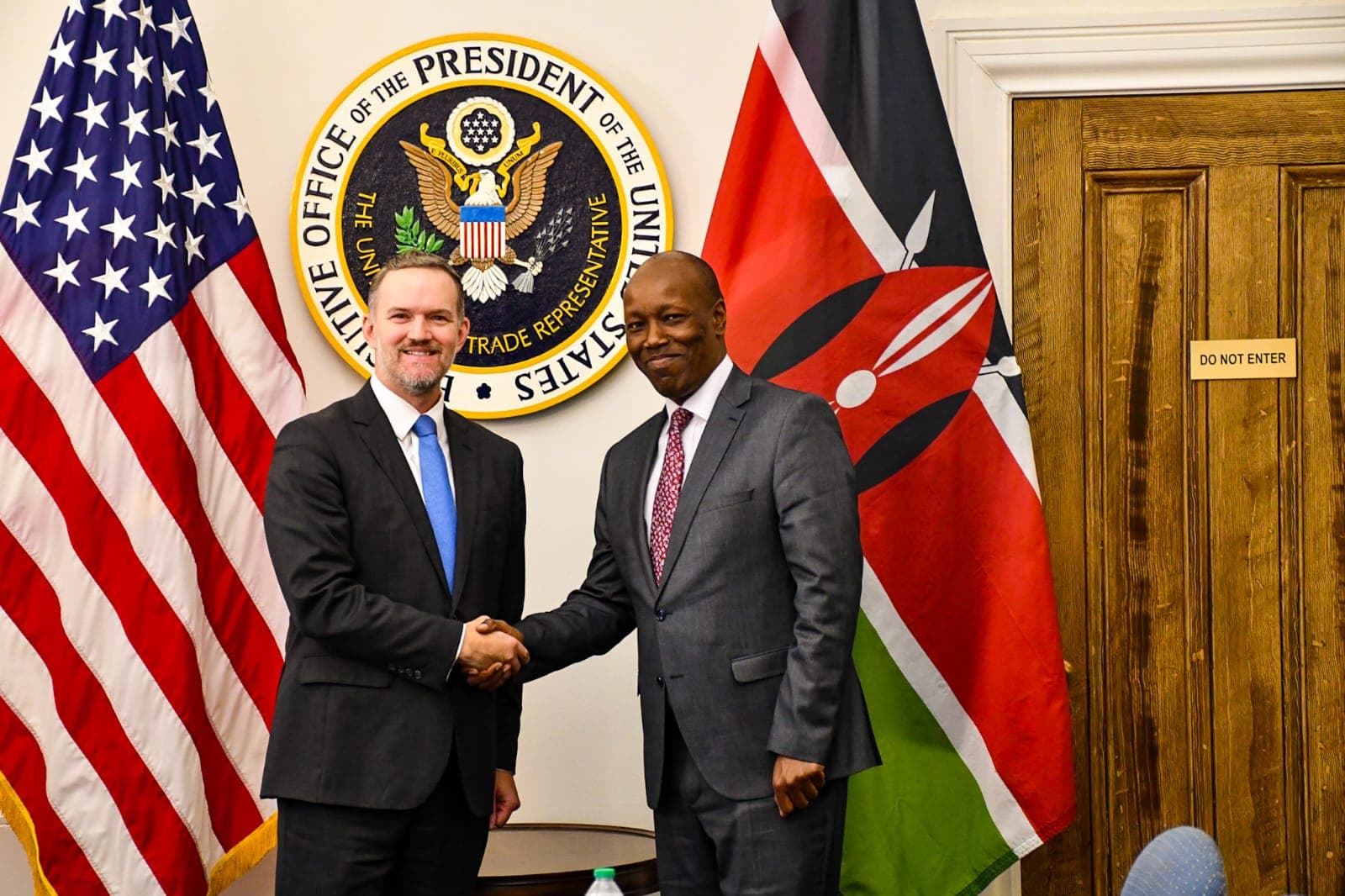
Of greater concern for Kenya is the shutdown's potential to derail critical trade negotiations. Nairobi is in the final stages of negotiating a new bilateral trade agreement with Washington, which Trade Minister Lee Kinyanjui stated in September he hoped to conclude by the end of 2025. [28] This deal is considered vital for securing stable, long-term market access for Kenyan products as the African Growth and Opportunity Act (AGOA) expires. [18, 32] AGOA has been a cornerstone of U.S.-Africa trade, allowing duty-free access for thousands of products and significantly benefiting Kenya's textile and apparel industries. [32] The political chaos in Washington threatens to halt progress on these talks, leaving Kenyan exporters in a precarious position. [12, 23]
Furthermore, the shutdown places a question mark over billions of shillings in U.S.-funded aid programmes. [33] American support is crucial for key sectors in Kenya, including health initiatives like PEPFAR, education, and food security. [23, 34] A prolonged funding lapse could lead to the suspension, reduction, or reassessment of these essential grants, according to multiple policy analysts. [27, 34] This aligns with a broader policy shift under the Trump administration, which has sought to reduce foreign aid in favour of trade-focused partnerships. [19, 25]
Economists also warn that a protracted shutdown could weaken global investor confidence and lead to currency volatility, potentially increasing the cost of the dollar against the Kenyan shilling. [27, 33]
The core of the U.S. political dispute is a partisan standoff over federal spending. [4] The Republican-led effort to pass a temporary funding measure, known as a continuing resolution, has been repeatedly blocked by Democrats in the Senate. [5, 7] The Democrats are demanding the inclusion of an extension for Affordable Care Act (ACA) health insurance subsidies, which Republicans have rejected. [3, 9, 13] The Senate requires 60 votes to advance such legislation, a threshold that neither party can reach without bipartisan support. [5, 11]
The domestic consequences in the U.S. have been severe. An estimated 900,000 federal workers have been furloughed, with another 2 million deemed 'essential' and required to work without pay. [3] Many missed their first full paycheque on Friday, 24 October. [24] The shutdown has also forced the closure of national parks and museums and threatens to disrupt food assistance for millions of low-income Americans if it continues. [3, 16] The Congressional Budget Office estimated that the 2018-2019 shutdown caused a permanent economic loss of $3 billion. [9, 15]
As the U.S. House of Representatives and Senate remain at an impasse, with no votes scheduled until next week, the shutdown is guaranteed to continue. [8] For Kenya and other international partners, the crisis serves as a stark reminder of how domestic political disputes in Washington can have far-reaching global consequences, leaving crucial diplomatic and economic partnerships hanging in the balance. [12]
Keep the conversation in one place—threads here stay linked to the story and in the forums.
Sign in to start a discussion
Start a conversation about this story and keep it linked here.
Other hot threads
E-sports and Gaming Community in Kenya
Active 9 months ago
The Role of Technology in Modern Agriculture (AgriTech)
Active 9 months ago
Popular Recreational Activities Across Counties
Active 9 months ago
Investing in Youth Sports Development Programs
Active 9 months ago
Key figures and persons of interest featured in this article